

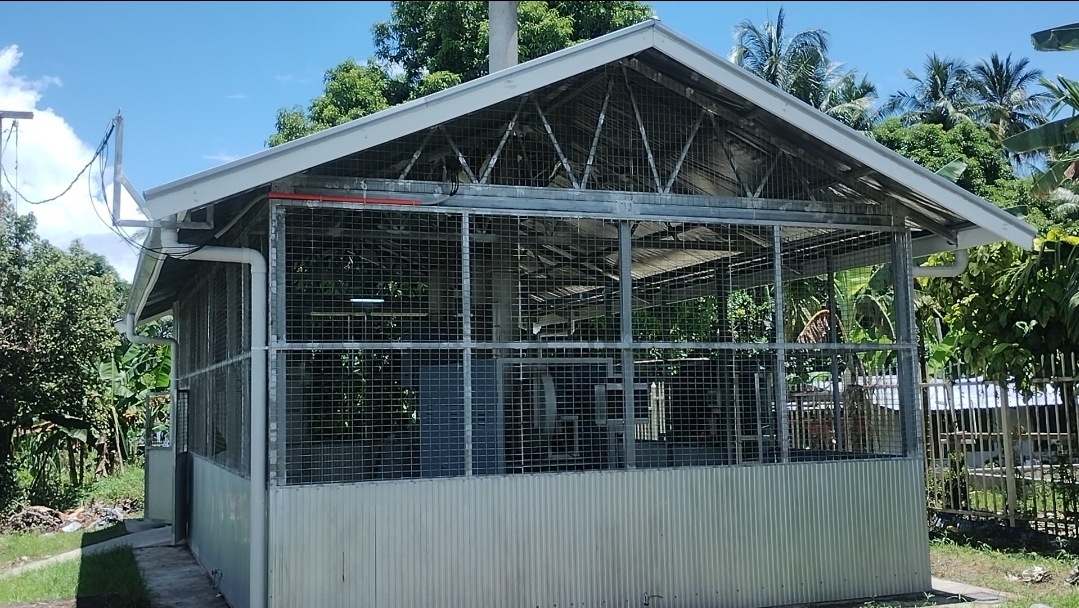
The Rabaul Provincial Hospital (RPH) in East New Britain Province (ENBP) has commissioned a newer and larger incinerator to complement the unit installed last year 2025.
The addition marks a continuous effort by the hospital to meet stringent waste management standards.
The installation is part of a broader, World Bank-funded initiative to deploy thirty-eight incinerators across provincial and district hospitals nationwide to safely manage COVID-19 and general medical wastes.
World Vision was tasked with constructing the shelters, assembling, and installing the incinerators across ten selected sites, including Rabaul Provincial Hospital.
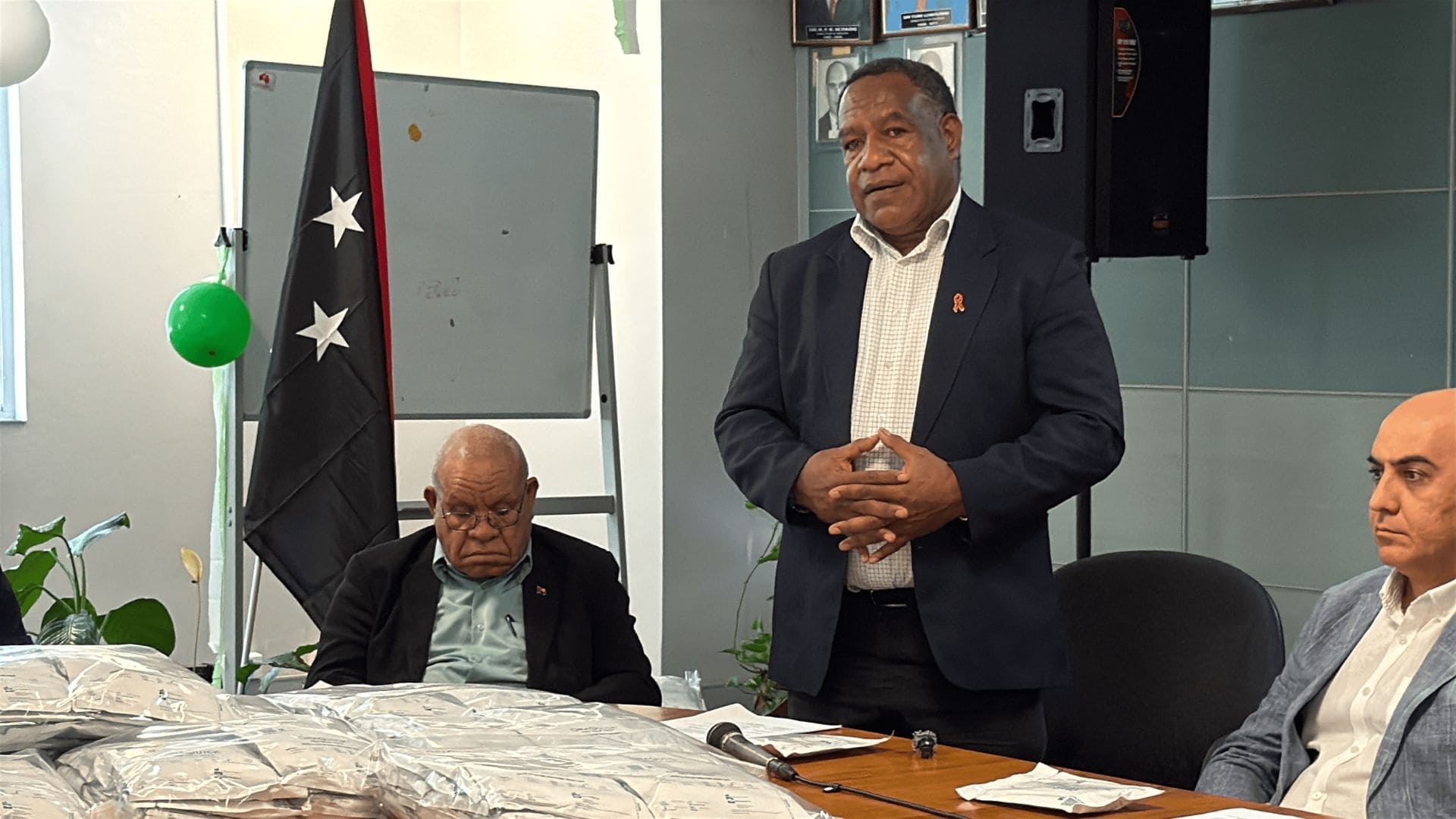
At the recent commissioning ceremony in Rabaul, Hospital Manager Dr. Jimmy Kambo highlighted that the second incinerator allows the Level 5 facility to fully comply with national waste management standards.
“This solves part of our problem where previously the hospital was partially meeting the standards, where it was an environment concern to the nearby communities.”
“Being very mindful of our hospital waste and with the new one, RPH has now fallen in line with the Environment Act 2000, SIPA requirement and building board regulations.”
The other nine hospital sites where World Vision has successfully completed installations include the new Enga Provincial Hospital, Kudjip Nazarene Hospital, Goroka General Hospital, Kainantu District Hospital, Angau Memorial Hospital, Modilon General Hospital, Laloki Psychiatric Hospital, and Mt. Hagen Provincial Hospital.
Each newly installed incinerator is designed to handle 50 kilograms of waste per cycle, specifically aiming to reduce healthcare-associated infections and ensure the safe disposal of biomedical waste.
The waste management improvements, as requested by the Health Standards Branch of the National Department of Health (NDoH) and the Conservation and Environment Protection Authority (CEPA), require facilities:
• To construct three waste treatment chambers where wastes will be stored for over 30 days to be passed on to the soak aways pits for safe disposable to nearby storm water drainage system.
• To have 3 chamber ash pits to store away the ash that remains after burning of wastes.
• To have an in-house shower in case there is waste spillage on the operator or the needs to cool off after burning wastes.
• To have a water -tap nearby to wash willy bins after disposing medical wastes into the incinerator for burning.
• To have PH strips available to test acidity of the slurry waste and ash that comes out of the burner to make it is safe for disposing and
• To have gas analyzers to test the toxicity of the smoke that comes out of the chimney.