
Posts by William LUKE JR | PNG Haus Bung
POSTS BY AUTHOR
William LUKE JR
Author

William LUKE JR

COMMUNITIES LEARN HOW DISTRICT DEVELOPMENT FUNDS ARE SPENT
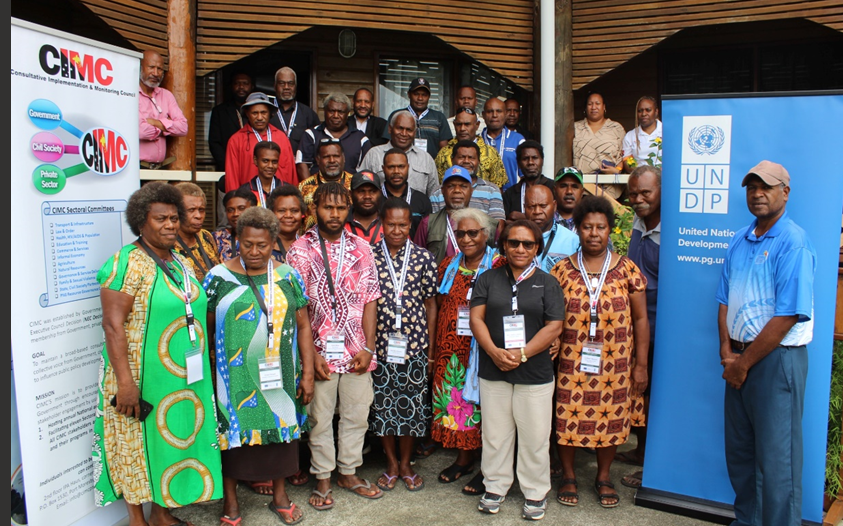
Questions about public participation and accountability in the spending of government funds are being brought into focus as communities in Gazelle District in East New Britain Province learn how development money is allocated and spent.More than 30 participants, including women, youth, church representatives, people living with disabilities and community leaders, are attending a five-day budget information workshop organised by the Consultative Implementation and Monitoring Council (CIMC) in Kokopo.The workshop aims to help ordinary citizens understand how government funding moves from the National Budget to districts, Local-Level Governments (LLGs) and wards.Participants are being introduced to funding programs such as the District Services Improvement Program (DSIP), Provincial Services Improvement Program (PSIP) and LLG Services Improvement Program (LLGSIP).The training also explains how public funds are planned, approved, spent and monitored, including where communities can participate in budget discussions and ask questions.CIMC Executive Officer Wallis Yakam said citizens, particularly women, young people and people living with disabilities, must have opportunities to participate in decisions affecting their communities.She encouraged participants to use the knowledge gained from the workshop to demand greater involvement in district and LLG annual planning and budgeting discussions.Gazelle District Development Authority Chief Executive Officer Robert Numbaro said sharing information with communities was important because informed citizens could better understand and support the work of district authorities.The workshop raises an important public interest issue: communities need to understand not only how much funding is allocated to their districts, but also how decisions are made about where the money goes and whether it delivers the services people need.CIMC said the Gazelle training is part of its Budget Tracking Initiative, which has been delivered in districts across Papua New Guinea since 2010.The current workshop is the first part of the training, focusing on understanding government funding systems and budget processes. A second phase will involve actual budget analysis and assessment.Gazelle and Mt Hagen are among four pilot districts selected for the initiative, with workshops planned for the Momase and Southern regions in 2027.The initiative is supported by the United Nations Development Programme through the European Union-funded Transparency and Accountability in Papua New Guinea Project.
Published on November 25, 2026

REVIEW OF THE HUNGER GAMES: SUNRISE ON THE REAPING (2026)
The Hunger Games was massive throughout the 2010s, Everyone at school was talking about Katniss, Peeta, and District 12, and Haymitch was always that hilarious, grumpy mentor in the background.Walking out of the Paradise Cinema at Vision City after watching Sunrise on the Reaping on Saturday, I can honestly say I’ll never look at his character the same way again.Seeing young Haymitch (played brilliantly by Joseph Zada) go from a regular, scrappy kid in District 12 to someone broken by the Capitol hits hard.You already know going in that he survives the 50 the Hunger Games, so the real tension is not if he makes it out; it’s watching what the Capitol takes from him along the way.By the end of the two-and-a-half-hour runtime, the whole theater felt heavy.What worked:Back to classis Hunger Games Vibes: Compared to Ballad of Songbirds & Snakes, this feel mush closer to the original movies. Once they enter the Second Quarter Quell arena, the tension does not let up.The Cast: Joseph Zada nails Haymitch’s sharpness and heartbreak, Mckenna Grace is great as Maysilee Donner, and Ralph Fiennes is chilling as a younger President Snow.Themes that hit close to home: Watching the Capitol exploit Districts 12’s resources while keeping the people divided and powerless always resonates differently when you live in a resource rich developing country. The film does not hold back on showing how propaganda is used to rewrite history.What could be better:The pacing drags a bit in the middle before the Games actually start, and because there are twice as many tributes in the Quarter Quell, a few side characters do not get enough screen time before they are gone.Final verdict:If you grew up with the original trilogy or read the book, this is a must-watch on the big screen. Just bring tissues if you are soft-hearted; it is easily the most emotional entry in the franchise yet. I would recommend the movie for audience above 18.Rating: 4/5
Published on November 24, 2026
SOLAR POWER OPENS NEW OPPORTUNITIES FOR RURAL FISH FARMERS
Rural fish farmers in the Yonki area in Eastern Highlands province, are gaining better opportunities to increase fish production, reduce losses and earn more income following the installation of solar-powered facilities under an Australia-supported aquaculture project.The initiative is addressing the challenges facing rural fish farming, which are reliable access to electricity needed to maintain fish hatcheries, water supplies and cold storage facilities.Through a partnership between ASK Sanctuary Tilapia Farm, the National Fisheries Authority (NFA) and the Australian Government, a 20-kilowatt solar power system has been installed at the fish farm to improve operations and support local fish-farming communities.The system is expected to improve the supply of quality fingerlings, reduce fish losses and help farmers preserve their harvest for sale.This means farmers can have better opportunities to produce fish, maintain their supply to local markets and increase household income while making affordable protein more accessible to communities.NFA Executive Manager for Aquaculture, Mr. Jacob Wani, said reliable energy was essential in helping rural fish farmers improve production and grow their businesses.He described the partnership as a game changer for aquaculture development and food security.“Reliable access to energy helps farmers improve production, reduce losses and grow their businesses while contributing to food security and better livelihoods for the communities,” Mr. Wani said.ASK Sanctuary Tilapia Fish Farm Managing Director Guna Yongomul said the solar systems were already making a difference to surrounding communities.He said families now had access to lighting for education and household activities, while improved lighting was also allowing people to move around more safely at night.Beyond the fish farm, the project has delivered 100 solar home systems and 15 streetlights to surrounding communities, improving access to basic electricity and night-time safety, particularly for women and girls.Australian High Commission Minister-Counsellor Dr Cate Rogers said the project demonstrated how renewable energy could support rural economic development and strengthen community livelihoods.She said the initiative could serve as a practical model for expanding sustainable aquaculture across Papua New Guinea.The project highlights how access to reliable electricity can support more than household lighting, creating opportunities for rural businesses, improving food production and strengthening local economies.For fish-farming communities in Eastern Highlands, the challenge now is to build on the investment and translate improved energy access into increased fish production, stronger household incomes and long-term food security.
Published on November 24, 2026
PNG FACES CHALLENGE IN FIGHT AGAINST DRUG-RESISTANT INFECTIONS
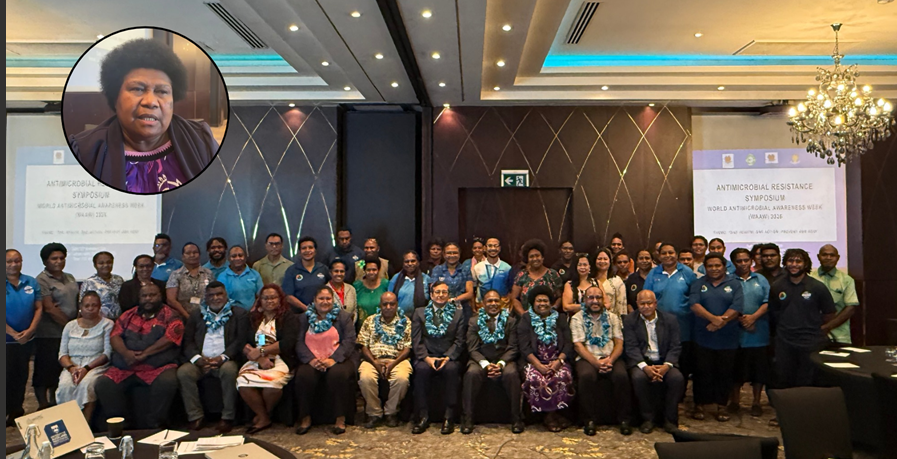
While significant progress has been made in strengthening the country's ability to detect and monitor drug-resistant infections, sustaining those achievements remains a major challenge.This is according to Dr Dora Lenturut-Katal, who is the Deputy Secretary, National Health standards & Compliance and National Antimicrobial Resistance (AMR) Steering Committee Chair, when speaking during the AMR symposium hosted in Port Moresby this week.She warns that the country may risks losing hard-won gains in the fight against antimicrobial resistance unless the government take greater ownership of surveillance, funding and implementation efforts as donor support comes to an end.The warning comes as the Fleming Fund programme, which has supported Papua New Guinea's antimicrobial resistance surveillance systems for the past six years, prepares to end.Dr Lenturut stated that the country has successfully established a national AMR governance framework, strengthened laboratory capacity and improved surveillance reporting through partnerships with the Fleming Fund, the United Kingdom Government, the World Health Organization and Burnet Institute.Health Secretary Pascoe Kase warns that while significant investments have strengthened the country's surveillance and laboratory systems, sustaining those gains will require stronger leadership, funding and commitment from all sectors.However, they acknowledged that the country's first National AMR Action Plan 2019-2023 exposed serious weaknesses in implementation, including limited monitoring and evaluation, insufficient dedicated personnel and ongoing sustainability challenges.According to Dr Lenturut, only 15 per cent of activities outlined under the first action plan were implemented by the end of the programme period.The low implementation rate has raised concerns about Papua New Guinea's ability to maintain momentum against a growing global health threat that reduces the effectiveness of antibiotics and other antimicrobial medicines.The health department warns that antimicrobial resistance can lead to longer illnesses, increased healthcare costs, treatment failures and higher death rates as infections become harder to treat.Dr Lenturut stated that while surveillance systems are now generating valuable data on drug-resistant infections, the greater challenge is ensuring that information leads to stronger treatment guidelines, responsible prescribing practices and improved infection prevention measures.She mentioned the revised National AMR Action Plan 2024-2030 seeks to address the shortcomings of the previous strategy by placing greater emphasis on accountability, coordination, monitoring and long-term government ownership.The Department of Health is now calling for antimicrobial resistance activities to be integrated into government plans, budgets and routine operations to reduce dependence on external funding.Dr Lenturut also stressed the need for stronger collaboration across the human health, animal health, agriculture and environmental sectors, noting that antimicrobial resistance is a One Health issue that extends beyond hospitals and clinics.To mark World AMR Awareness Week, health authorities say the challenge is no longer simply building surveillance systems, but ensuring the country has the resources, leadership and commitment needed to sustain them and prevent the spread of drug-resistant infections.
Published on November 24, 2026
HEALTH SECRETARY URGED PNG TO TAKE OWNERSHIP OF FIGHT AGAINST DRUG-RESISTANT INFECTIONS
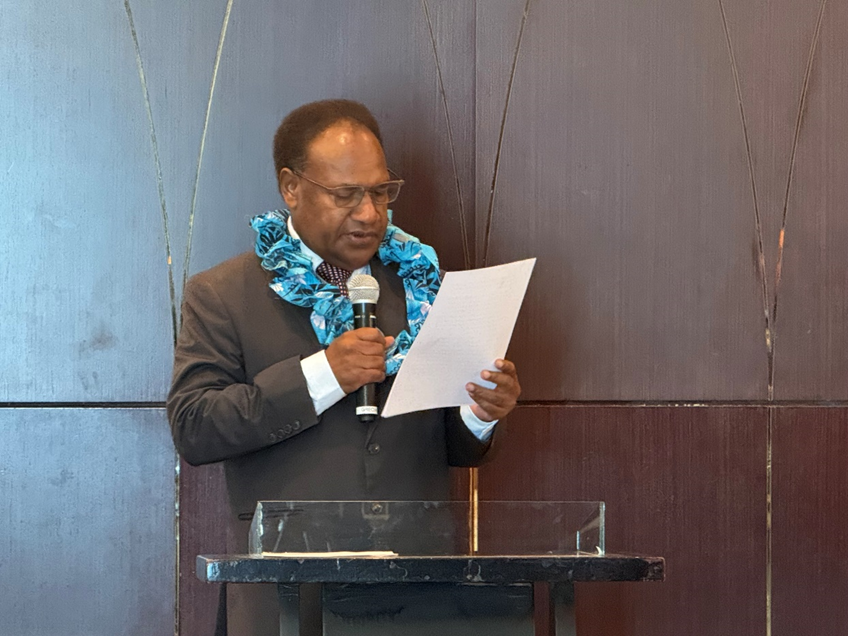
“While significant investments have strengthened the country’s surveillance and laboratory systems, sustaining those gains will require stronger leadership, funding and commitment across all sectors,” said Health Secretary Pascoe Kase.Commemorating World AMR Awareness Week under the theme “One Health, One Action: Prevent AMR Now,” Kase said collective action and sustained investment are critical to protecting public health and preventing the spread of drug-resistant infections.Speaking today at the 8th National Antimicrobial Resistance Symposium in Port Moresby, Kase said Papua New Guinea must take ownership of its fight against antimicrobial resistance (AMR) and invest in long-term solutions to prevent drug-resistant infections from undermining the country’s health system.“AMR must be at the centre of conversations in every sector. Antimicrobial resistance is no longer just a health issue; it affects humans, animals, agriculture, food systems and the environment,” Kase said.He also raised concerns about the sustainability of AMR programmes following years of support from the United Kingdom Government through the Fleming Fund Country Grant. The grant helped strengthen laboratory systems in five Provincial Health Authorities, the Central Public Health Laboratory, and the National Animal Health and Food Testing Laboratory.These investments have enabled Papua New Guinea to contribute data to the Global Antimicrobial Resistance and Use Surveillance System (GLASS). However, Kase said, the country must now take greater responsibility for maintaining and expanding these systems.“We must take ownership and provide leadership to sustain these efforts to address AMR. We must walk the talk,” he said.According to Kase, dedicated funding remains one of the biggest challenges in the country’s response. He warned that critical activities cannot continue without resources being allocated to support them.“There has to be increased investment in surveillance systems, quality medicines, diagnostic services, and stronger human, animal and environmental health systems to ensure antimicrobial medicines remain effective into the future,” he said.Kase also raised concerns about the global slowdown in the development of new antibiotics, describing it as a “discovery void” that could leave health systems facing a therapeutic dead end if existing medicines lose their effectiveness.He said the recently developed National Action Plan on Antimicrobial Resistance 2024–2030 provides a roadmap for government agencies and stakeholders to coordinate efforts using a One Health approach that brings together the human health, animal health and environmental sectors.In closing, Kase urged Provincial Health Authorities, government agencies, development partners, the private sector and citizens to play an active role in combating antimicrobial resistance.
Published on November 23, 2026
RISING FUEL COSTS RENEW FOCUS ON CLEANER TRANSPORT OPTIONS
As the government cuts K1 billion direct fuel subsidy earlier this month, attention is turning not only to the financial impact of rising petrol and diesel prices but also to the environmental benefits that electric vehicles could bring to the country.With the Government's fuel subsidy programme ending and continuing into 2027, motorists expected to face higher fuel costs at K7 per litre, electric vehicles are increasingly being discussed as part of Papua New Guinea's broader response to climate change and efforts to reduce dependence on imported fossil fuels.According to the Climate Change and Development Authority (CCDA), Papua New Guinea has committed to transitioning towards a low-carbon and climate-resilient economy as part of its international climate obligations.Recent studies undertaken through a partnership involving the CCDA, the Department of Transport and the Global Green Growth Institute (GGGI) show that the energy sector was responsible for 80.5 per cent of Papua New Guinea's net greenhouse gas emissions in 2017, with road transport accounting for approximately 23 per cent of those energy-sector emissions.The same studies warn that under a business-as-usual scenario, emissions from the transport sector could double by 2030 as vehicle numbers increase from about 155,000 in 2005 to an estimated 600,000 by 2030.These projections have intensified discussions around electric mobility as a practical way to curb transport emissions while reducing reliance on imported fuel.Globally, electric vehicles are considered a key tool in reducing greenhouse gas emissions from transport, one of the fastest-growing sources of carbon pollution worldwide.The United Nations Environment Programme, alongside the International Energy Agency, is supporting countries to accelerate the transition to electric mobility through policy development and investment programmes aimed at reducing emissions and improving energy efficiency.In Papua New Guinea, vehicle distributor Niugini Automobiles Limited says electric vehicles could contribute to cleaner air by eliminating tailpipe emissions while also helping motorists reduce fuel consumption.The company is offering a range of MG and Maxus electric vehicles and believes wider adoption could help support the country's environmental and sustainability objectives.PNG's abundant solar resources are also seen as a potential advantage.According to reseach, charging electric vehicles using solar energy could further reduce carbon emissions while lessening demand on imported petroleum products.The push towards electric mobility is already gaining policy attention.In May 2024, government agencies, private sector representatives and development partners met in Port Moresby to discuss the development of a national e-mobility policy, with discussions focused on overcoming barriers to electric vehicle adoption and reducing greenhouse gas emissions from the transport sector.Former Department of Transport Secretary Roy Mumu said at the forum that Papua New Guinea had committed to achieving carbon neutrality in the energy industries sub-sector by 2050, with electric vehicles identified as an important part of that transition.However, significant challenges remain before electric vehicles can be widely adopted across the country.Limited charging infrastructure, electricity reliability concerns, vehicle affordability and access to maintenance services continue to present obstacles for consumers and businesses considering the switch.Despite these challenges, could electric vehicles offer PNG an opportunity to tackle two issues at once: reducing transport-related emissions and easing the country's dependence on volatile global fuel markets.As fuel prices continue to rise and climate concerns grow, electric mobility is increasingly being viewed not simply as a transport trend, but as part of Papua New Guinea's longer-term strategy for sustainable development and environmental protection.
Published on November 19, 2026
GRASSROOT ATHLETES TO RECEIVE FREE MASSAGE TREATMENT
More than 30 grassroots athletes in Port Moresby will soon have access to professional massage and rehabilitation services through a sponsorship from Trukai Industries Limited to Phyomas Therapy.Trukai has contributed K1,000 to launch a treatment voucher program that will provide 33 free therapy sessions for grassroots athletes who would otherwise struggle to afford professional treatment.Speaking during the presentation, Trukai Industries Limited Brand Manager, Mathew Tomala said the company was pleased to support the initiative and help athletes access proper recovery services."Trukai is happy to once again come on board and support our friends here at Phyomas Therapy. Through our K1,000 contribution, 33 treatment vouchers will be provided to grassroots athletes to help them receive the right treatment and care," Tomala said.He said the sponsorship marks the beginning of what it hopes will become a long-term partnership with Phyomas Therapy."For a start, we've provided K1,000, but we're looking to continue partnering with them going forward," the representative added.Trukai notes that supporting grassroots sports aligns with its long-standing commitment to sports development in Papua New Guinea."As you know, Trukai has supported sports in Papua New Guinea for many years, and once again we've decided to support a local organisation that is making a positive difference in the community," the representative said.Founder and Managing Director of Phyomas Therapy, Priscillar Mann-Gene, welcomed the sponsorship, saying many grassroots athletes and students are unable to afford the clinic's K30 treatment fee.She said the support from Trukai will allow athletes to access professional care that they would otherwise miss out on."Many grassroots athletes cannot afford the K30 fee for our services. This sponsorship gives them an opportunity to receive professional treatment and rehabilitation instead of staying at home and trying to recover from injuries on their own," Ms Mann-Gene said.She thanked Trukai for backing the initiative, saying the partnership will help improve athlete welfare and encourage more people to seek proper treatment and recovery services and urged the athletes to check their facebook page for updates on the program.The treatment voucher program is expected to help athletes manage injuries, maintain their health and continue participating in sport while reducing barriers to accessing professional therapy.
Published on November 18, 2026
PNG STARTS PLANNING EARLY FOR 2030 NATIONAL CENSUS, SEEKS PARTNER SUPPORT
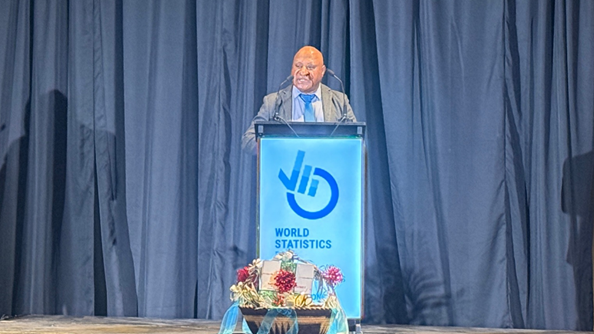
Papua New Guinea's National Statistical Office (NSO) has begun preparations for the 2030 National Population and Housing Census, calling on development partners to help strengthen the country's statistical system and support key national data programmes.The move was announced during a Development Partners and Donor Consultation in Port Moresby, today which brought together representatives from the World Bank, Asian Development Bank (ADB), International Monetary Fund (IMF), United Nations agencies, the Australian Government through DFAT, JICA, New Zealand Aid and other development partners.Opening the consultation, National Statistician Alfred Mokae saying the engagement was an important step towards building stronger partnerships and securing the technical and financial support needed to deliver major national statistical programmes.He said the consultation aligns with the NSO's Transformation and Modernisation Agenda, which aims to strengthen institutional capacity and improve the production of timely, reliable and internationally comparable official statistics.A major focus of the discussions was early planning for the 2030 National Population and Housing Census. Building on lessons from the 2024 Census, the NSO will work to strengthen census methodology, technology, data collection systems, logistics and institutional capacity to ensure a more effective nationwide exercise.Mr Mokae said the census remains a critical tool for national planning, resource allocation, electoral boundary reviews and the delivery of government services."The Census remains fundamental to national planning, resource allocation, electoral planning and the effective delivery of public services," he said.The consultation also focused on two other key programmes: the 2027 Household Income and Expenditure Survey, which will provide updated information on incomes, spending patterns, poverty and living standards; and the 2028 Demographic and Health Survey, which will generate vital data on maternal and child health, fertility, nutrition and family planning.Mr Mokae acknowledged that implementing the programmes would require significant financial resources, technical expertise, modern technology and sustained institutional support."These are important national statistical programmes that cannot be delivered by the NSO alone. We need strong partnerships, predictable financing and coordinated assistance to ensure their implementation," he said.He encouraged development partners to explore opportunities for financial assistance, technical cooperation, capacity development, technology transfer and joint programme oversight.The consultation provided an opportunity for NSO technical teams to present programme priorities, resource requirements and implementation challenges while discussing potential areas of collaboration with development partners.Expected outcomes include identifying technical and financial support opportunities, mobilising expertise and agreeing on practical follow-up actions to advance the three programmes.Mr Mokae reaffirmed the NSO's commitment to institutional reform, transparency and accountability, stressing that quality statistics are essential for good governance and evidence-based decision-making."Quality statistics are more than numbers. They are essential instruments for understanding our people, measuring development progress and making informed decisions about the future of our country," he said.The NSO says it is committed to working closely with government agencies and development partners to deliver the 2030 Census and strengthen Papua New Guinea's National Statistical System.
Published on November 17, 2026
UNFPA CALLS FOR GREATER ACCESS TO FAMILY PLANNING IN PNG
The United Nations Population Fund (UNFPA) is calling for greater access to family planning information and services in Papua New Guinea, saying women and couples must be empowered to make informed decisions about the size of their families.Speaking during the launch of the recent 2024 National Population Census data launch, United Nations Population Funds Country Representative for Papua New Guinea, Saira Shameem highlighted the gap between the number of children people want and the actual fertility rate in the country.Ms Shameem said the 2016 Demographic and Health Survey found that men and women in Papua New Guinea wanted an average of three children.However, the 2022 Socio-Demographic and Economic Survey recorded an average of 3.72 children per woman, with statistical projections indicating the figure could reach 3.22 by 2027.Ms Shameem said addressing this gap requires better access to information, family planning products and reproductive health services.“We must ensure that every woman and couple has information, resources, and freedom to decide whether, when, and how many children to have.”Shameem stressed that voluntary family planning should go hand in hand with women's empowerment, quality education, skills development and improved healthcare.“Investing in children's health and education to ensure families can provide better opportunities for their children.”She warned that rapid population growth could place additional pressure on already constrained public services and resources, including schools, healthcare facilities, housing, employment and infrastructure.While a growing population offers opportunities for economic development through an expanding workforce, the representative said the country must ensure its development planning keeps pace with population changes.The UNFPA reaffirmed its commitment to supporting the Government of Papua New Guinea and the National Statistical Office in strengthening the use of reliable population data to guide policies and development programmes.Ms Shameem said access to accurate population statistics would help policymakers make informed decisions and direct resources towards the needs of communities.The call reinforces the importance of ensuring women and couples across Papua New Guinea have access to the information and voluntary services they need to make informed family planning decisions.
Published on November 16, 2026
SOLAR LIGHTS HELP GULF STUDENTS AFTER 40 YEARS OF NO ELECTRICITY
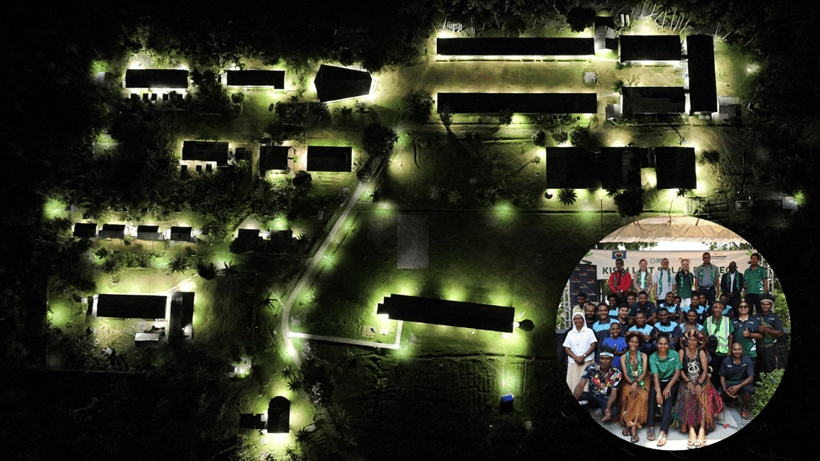
Students of Don Bosco Araimiri Secondary School in Gulf province now have access to reliable electricity after more than 40 years.Funded by the Australian Government, the Kisim Lait project installed solar systems throughout the school, lighting up classrooms and dormitories for more than 300 students. It also installed solar systems for 25 homes, 40 streetlights and an aid post for communities in Akapiru and Herehere villages in Gulf Province. Representatives from the Gulf Provincial Administration, the Salesians of Don Bosco and the Australian High Commission co-hosted the event to mark completion of the Kisim Lait project. Speaking at the event, Fr Srimal Silva, representative for the Salesians of Don Bosco, reflected on the project’s benefits. “Our students didn’t just receive power through this project. A wide range of curriculum development, health and occupational safety matters were also addressed, giving our school a more complete educational and safety upgrade,” said Fr Silva. Students in Araimiri are already seeing the benefits of clean, reliable energy. Solar power now supports a new computer lab, lights communal spaces for evening study, and expands access to digital learning opportunities and online resources.The Australian High Commission’s Minister-Counsellor for Economics and Infrastructure, Dr Cate Rogers, said the project’s success was a testament to strong partnerships.“The Kisim Lait project is successful because of the strong partnership fostered between our government partners, local partner and also the local community,” Dr Rogers said.Solar streetlights are improving safety and wellbeing across the community, especially for women and girls.At the same time, reliable power at Akapiru’s aid post is supporting better healthcare by keeping vaccines and medicines refrigerated and allowing health workers to deliver essential services around the clock.Student representative Pius Toto reflected on what the project means for students. “This project is much more than just solar panels and wires. To us, it represents hope. It means our students can now read and study comfortably in the dormitories and classrooms at night, and our teachers have the modern resources to give us a high-quality education,” Pius said.The Kisim Lait project demonstrates Australia’s commitment to working alongside Papua New Guinea to improve access to clean, affordable energy for remote communities across the country.
Published on November 16, 2026
EDUCATION DEPARTMENT CONFIRMS FULL DISBURSEMENT OF K904 MILLION FOR 2026 FREE EDUCATION POLICY
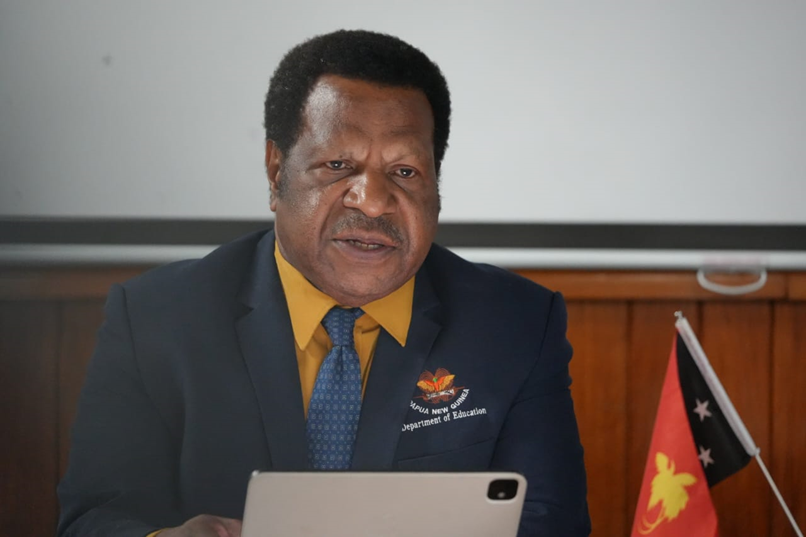
The National Department of Education has confirmed the full transfer of K904 million in Government Free Education (GFE) subsidies to registered schools nationwide for the 2026 academic year covering tuition and project fees says Secretary of Education Dr Uke Kombra.Secretary for Education, Dr. Uke Kombra confirmed that the department had fully transferred the Government Free Education subsidies to schools nationwide during public servants and non-citizen farewell program held in Port Moresby today.Parents and guardians across the country are being reminded that schools cannot impose unauthorized fees on students under the Government's Free Education Policy, following confirmation that the full K904 million allocated for 2026 has been remitted to schools.The announcement comes as the 2026 academic year approaches its scheduled completion on December 4, with thousands of students, parents and schools preparing for the end of the school year.However, the Department's funding announcement also raises an important question for parents: what payments are schools legally allowed to collect?According to the 2026 Education Policy, schools are not permitted to charge additional registration, admission, identification card, advance or transfer fees.The policy also makes it clear that no student should be denied enrolment or prevented from attending classes because of non-payment of fees.Parents may, however, be asked to support approved school self-reliance projects.These contributions must be voluntary and receive approval from both the Parents and Citizens Association and the Provincial Education Board.The policy sets maximum contributions at K500 per primary school student and K1,000 per student in high schools, secondary schools and National Schools of Excellence.Parents remain responsible for other basic education-related needs, including school uniforms, clothing, footwear, meals and transportation.The Education Department has also provided for church agency fees at church-run schools under the relevant education legislation.The Department of Education urges parents and guardians who receive demands for unauthorised payments to report the matter immediately to their nearest school inspector. Reports should be accompanied by supporting evidence, such as written fee notices or receipts, to allow the Department to take appropriate disciplinary action.
Published on November 14, 2026
DEPARTMENT OF EDUCATION HONOURS 25 RETIRING OFFICERS AT OFFICIAL 2026 FAREWELL CEREMONY
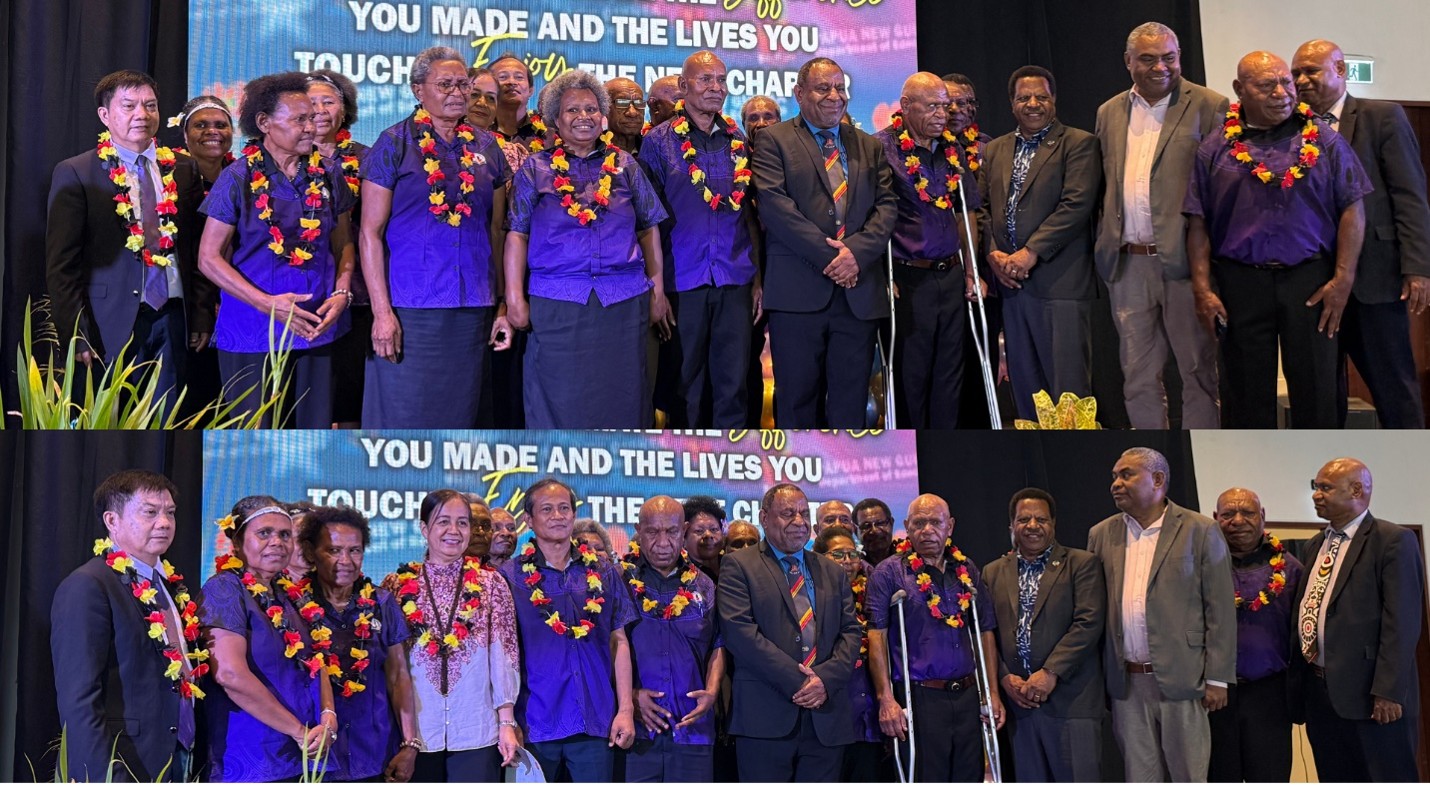
Twenty-five officers of the National Department of Education were formally honoured today at the 2026 Retirees’ Official Farewell Ceremony, marking the conclusion of decades of dedicated service spent shaping Papua New Guinea’s education system.Minister for Education, Hon. Francis Kikin Siune, congratulated the cohort and expressed his gratitude to the 25 retirees for their lasting contributions to the nation.Minister Siune noted that the departing group comprised 20 national officers and five non-citizen contract officers who served across the department and the wider education sector. Throughout their careers, some served in classrooms and school administrations. Others held technical and management, policy development, inspection and guidance.Addressing the gathering, Minister Siune stated that the retirees' service exemplified commitment, sacrifice, professionalism, and discipline. He credited them with playing a pivotal role in developing national education frameworks, implementing government policies, strengthening institutional capacity, and positively shaping the lives of countless Papua New Guineans.He emphasized that the national officers’ services were particularly significant because they had given “the productive years of their lives” to building an education system meant to serve generations to come.“You have served with honour, and you have contributed with dedication,” Minister Siune told the retirees. He encouraged them to step into the next chapter of their lives with pride, dignity, and peace, and to enjoy well-deserved time with their families and personal pursuits.
Published on November 13, 2026