

POSTS BY AUTHOR

Aseneth WAIDE
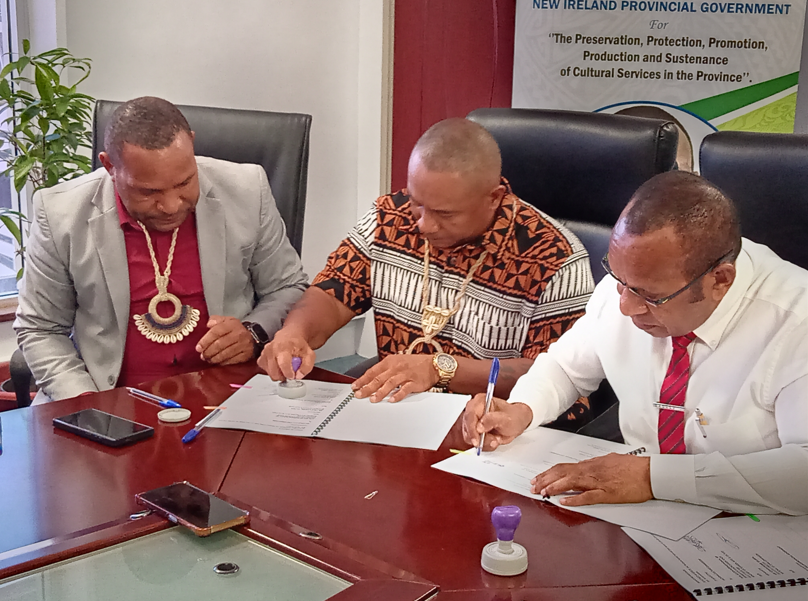 NCC SIGNS CULTURAL AGREEMENT TO STRENGTHEN NEW IRELAND HERITAGE
The National Cultural Commission (NCC) and the New Ireland Provincial Government signed a Memorandum of Understanding (MoU) today in Port Moresby – a critical step taken in protecting, promoting, developing and safeguarding New Ireland and Papua New Guinea’s cultural heritage.Speaking during the signing, Minister for Tourism, Arts and Culture Belden Namah said provincial governments remain important strategic partners in delivering cultural services and preserving traditions at the community level.
“Without strong provincial partnerships, our national cultural policies remain words on paper.”
He said New Ireland is home to some of Papua New Guinea’s most significant intangible cultural heritage, particularly the internationally recognised Malagan culture, known for its carvings, masks, ceremonies and oral traditions.
“I believe with this memorandum of understanding; we will be able to deliver the outcomes that the people of New Ireland want through the request of the Governor and the Provincial Government.”
This Memorandum of Understanding will deliver the following outcomes:
Policy Alignment – Align New Ireland Provincial Government and National Cultural Commission policies with national cultural frameworks.
Resource Mobilization – The National Cultural Commission will provide support, training and access to the National Cultural Research Fund for New Ireland-based researchers and cultural practitioners.
Festival Development – Work together to strengthen and certify New Ireland’s cultural festivals, including the Malagan Festival and Shark Calling Festival, to meet national standards for tourism promotion, cultural authenticity and economic benefit.
Infrastructure Support – Support establishment of a New Ireland Cultural Centre and archive to house Malagan artefacts, audio-visual records and documentation.
Intellectual Property Protection – Begin registration systems under the Protection of Traditional Knowledge and Expressions of Culture Act 2016 to protect Malagan designs, shark-calling chants and traditional governance systems.
“The signing of this memorandum is not merely just a ceremonial thing – it is a commitment of resources, responsibility, and respect from the national level to the provincial level and to the people of New Ireland Province.”
Published on May 12, 2026
 AI IN PAPUA NEW GUINEA: OPPORTUNITIES AND RISKS AHEAD OF A DIGITAL FUTURE
As Papua New Guinea moves toward the 2027 National Elections and deeper digital transformation, artificial intelligence (AI) is emerging as both a powerful opportunity and a growing challenge.Specialists at the 2026 PNG Media Summit held recently, highlighted how AI could reshape media, governance, cybersecurity and public information across Papua New Guinea and the Pacific.
Advantages of AI in PNG:1. Faster content production across multiple platformsAI allows one piece of verified journalism or government information to be repurposed quickly into multiple formats, including radio scripts, TV segments, social media posts, websites and print.
A single journalist’s work can be amplified across platforms.
Content can be adapted faster for modern audiences.
2. Multilingual communication
PNG is one of the world’s most linguistically diverse countries. With further development, AI can help translate information into multiple local and regional languages.
Improves accessibility of public information.
Expands reach to rural and linguistically diverse communities.
3. Enhanced research and investigative journalism
AI tools can help journalists process large volumes of information, including text, audio and video archives.
Benefits include:
Faster analysis of interview transcripts, reports and footage.
Easier identification of patterns, missing information and story leads.
4. Stronger cybersecurity capabilities
AI can be used defensively to detect threats, identify vulnerabilities and strengthen digital systems.
Applications include:
Automated threat detection.
Simulated cyberattacks to test system resilience.
Faster incident response.
5. Improved productivity for government and institutions
Government agencies can use AI to streamline workflows and improve information delivery.
Potential uses:
Drafting reports and summaries.
Data analysis.
Public service chatbots and automated responses.
6. Potential for local knowledge preservation
AI offers long-term opportunities to digitize and preserve PNG’s cultural archives, oral histories and traditional knowledge.
This could support:
Cultural preservation.
Education and archival projects.
Future PNG-trained AI systems.
7. Lower barriers to digital innovation
AI tools reduce costs for startups, creators and organizations.
This means:
Smaller teams can produce more content.
New digital businesses can emerge with fewer resources.
Meanwhile, whilst there are advantages of AI in the country, and how it holds a significantly role in reshaping and becoming a powerful opportunity especially in digital transformation, it also holds a number of challenges as well.
Disadvantages of AI in PNG
1. Deep fakes and election misinformation
Ahead of the 2027 elections, AI-generated fake videos, voices and images pose a major risk.
Threats include:
Fake government announcements.
Manipulated speeches by candidates.
Viral disinformation campaigns.
This could undermine public trust in institutions and elections.
2. Lack of local AI governance and regulation
PNG is still largely a consumer of global AI tools rather than a producer.
Challenges include:
No fully local AI infrastructure.
Limited regulation on AI use and accountability.
Dependence on offshore cloud services.
3. Data sovereignty concerns
When PNG users input information into foreign AI systems, that data may be processed overseas.
Risks:
Sensitive government or citizen data leaving the country.
Unclear ownership and storage practices.
Limited control over how data is reused.
4. Cultural bias and underrepresentation
Most global AI systems are trained primarily on Western or large-market datasets.
As a result:
PNG cultures, languages and contexts are often poorly represented.
AI may generate inaccurate or culturally irrelevant outputs.
Example concerns:
Misrepresentation of Pacific identities.
Weak understanding of customary systems or local realities.
5. Easier mass production of misinformation
AI allows individuals or small groups to create huge volumes of content quickly.
This enables:
Fake news websites.
Coordinated social media campaigns.
Artificial influencer growth.
One bad actor can operate multiple platforms with minimal effort.
6. Skills and infrastructure gaps
Building sovereign or semi-sovereign AI systems requires major investment.
PNG currently faces constraints in:
Data centres.
High-performance computing.
Technical expertise.
Reliable connectivity.
Full AI independence would require billions in infrastructure.
7. Risk of over-reliance on automation
If organizations rely too heavily on AI-generated outputs without human oversight, errors and biases can spread quickly.
Potential issues:
Incorrect public information.
Reduced editorial quality.
Loss of accountability.
PNG should focus on practical and responsible AI adoption, including:
Developing clear AI governance structures.
Creating registers for AI tools used by government.Strengthening data protection laws.Training journalists and public servants in AI literacy.
Building local datasets and culturally relevant archives.
Using AI to amplify trusted journalism rather than replace it.
AI is neither purely a threat nor a solution for PNG. It is a tool that can strengthen work in the digital age, but without safeguards, it could also accelerate misinformation, cyber threats and cultural distortion.
For PNG, the challenge is not whether AI will shape the future, but how the country chooses to use it.
Published on May 8, 2026
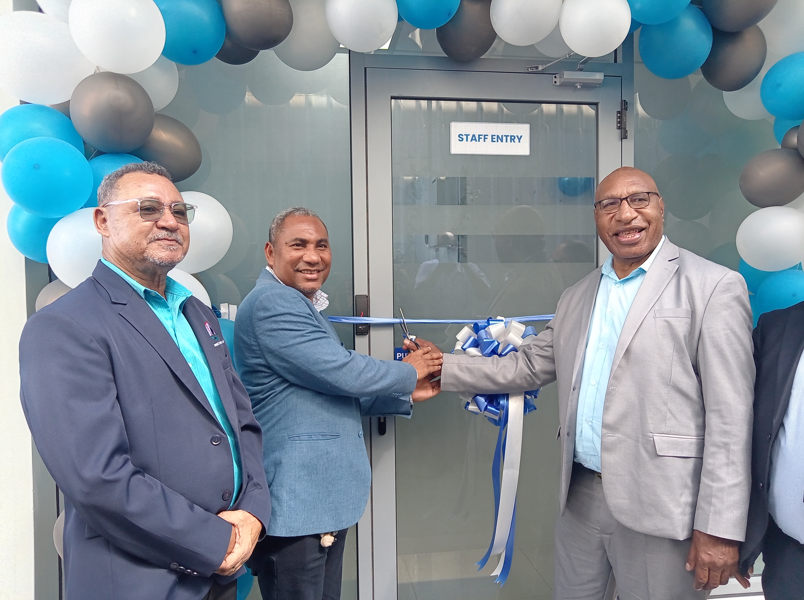 MVIL, CPTA LAUNCH NEW OFFICE IN NCD
Motor Vehicles Insurance Limited (MVIL) and the Central Province Transport Authority (CPTA) officially opened a new customer service facility in Gordons, Port Moresby, to improve vehicle registration and compulsory third-party (CTP) insurance services for motorists in Central Province and the National Capital District.The new office, located at the Rufina Rumana Building, houses both the CPTA office and MVIL’s Gordons Customer Service Centre under one roof.
The facility includes a VIP and corporate client area as well as a general customer service counter designed to improve convenience and service delivery for motorists.
Speaking during the opening ceremony, MVIL Chief Executive Officer Mr. Bafino Koi thanked CPTA Managing Director Mr. David Jerram for his leadership in delivering the new facility.
“On behalf of the MVIL board, management and staff, I would like to acknowledge and thank Mr. David Jerram for his leadership and foresight in bringing about this very good facility for transport users and vehicle owners in Central Province as well as NCD.”
He said the partnership between MVIL and CPTA has enabled both organizations to improve customer service delivery through upgraded facilities, improved systems, and stronger collaboration.
Under the administrative arrangement between MVIL and the Central Provincial Government, motorists can now access both vehicle registration and CTP insurance services at one location through a coordinated one-stop-shop system.
The arrangement also allows motorists to use a single sticker covering both MVIL’s compulsory third-party insurance and the provincial government’s vehicle registration requirements, replacing the need for two separate stickers.
The partnership will also improve efficiency in paperwork and processing time while strengthening transparent revenue collection through cashless and online payment systems.
The new system will further support the establishment of a single vehicle database management system capturing motor vehicle data across Papua New Guinea for national, provincial and district planning and budgeting purposes.
Mr. Koi said MVIL had undertaken major branding and customer service improvements over the past three years under its “Serving Comes First” initiative.
“We have state-of-the-art systems and a database that captures vehicle information which can be accessed across provinces.”
He added that the Gordons office is now one of MVIL’s premier branded offices after its Vision City branch.
Mr. Koi also acknowledged MVIL staff who continued operating from the previous office location despite difficult conditions while waiting for the completion of the new facility.
He said the office would become fully operational from Monday, offering convenient services to customers and corporate clients in the Gordons area.
CPTA Managing Director Mr. David Jerram welcomed the continued partnership with MVIL, describing it as a relationship that has existed for many years.
“We would like to thank MVIL for taking the lead in innovative changes and branding, and we would like to keep in step with that.”
He said CPTA remained committed to improving customer service standards and modernizing transport-related services for the public.
“This is the first part of the improvement. We hope to improve further in terms of electronic registration and insurance services in collaboration with MVIL, the Road Traffic Authority and other stakeholders.”
Mr. Jerram said CPTA would continue working closely with national authorities and partners to ensure registration and insurance services are efficiently delivered to motorists throughout Central Province and NCD.
Published on May 7, 2026
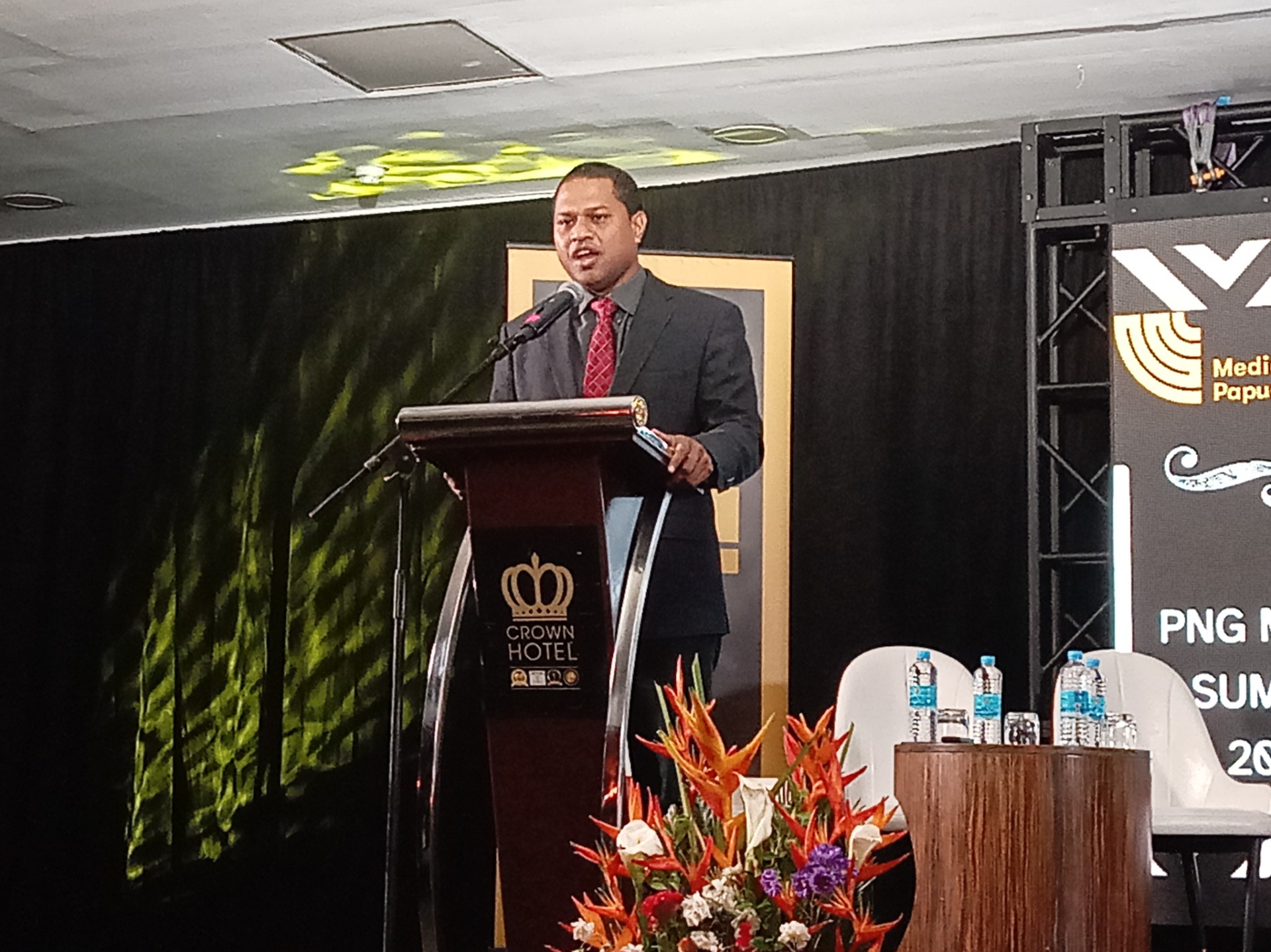 PNG EYES TIGHTER AI DATA CONTROLS
Papua New Guinea should introduce stronger oversight of artificial intelligence tools used across government agencies, as concerns grow over data privacy, accountability and the offshore processing of sensitive information.Speaking during a panel discussion at the PNG Media Summit 2026, Steven Matainaho, Secretary for the PNG Department of Information and Communications Technology, said governments and institutions using AI systems must understand what data is being entered into external platforms and how that information is handled.
“We did propose that government maintains a register of all models being used, not only models but all AI tools being used.”
He said one of the major risks for governments and organizations adopting AI tools such as ChatGPT is data governance, particularly when sensitive or citizen-related information is uploaded into cloud-based systems hosted offshore.
“When you’re pushing data into ChatGPT, whose data are you pushing in? And where is that data now being processed? Somewhere offshore, because we are consumers of it. We don’t have our own models in-country.”
Matainaho said many users are unaware that some AI platforms offer settings allowing user inputs to be used to improve models, potentially incorporating uploaded information into broader machine learning systems.
He said this makes it critical for government agencies, media organizations and private institutions to ensure they have legal rights to use the information they input into AI systems and understand how those systems process and retain data.
“You’ve got to be responsible for making sure that you have the rights to use that information, and then you’ve got to ensure that the protection of citizen rights is in place.”
Matainaho said PNG’s proposed AI adoption framework currently focuses heavily on protecting data that enters AI models, while broader sovereign AI ambitions remain a longer-term strategy.
He noted that full AI sovereignty would require Papua New Guinea to control the entire AI value chain, including local data centres, compute power, undersea cable connectivity, technical expertise and model development capabilities.
“That’s already going into billions.”
For now, Matainaho said most countries, including PNG, are likely to remain users of AI systems developed overseas while implementing protective measures around their use.
The discussion comes as governments, media organizations and businesses across the Pacific increasingly explore AI tools for productivity, research and information dissemination, while grappling with concerns around privacy, misinformation and digital sovereignty.
Published on May 6, 2026
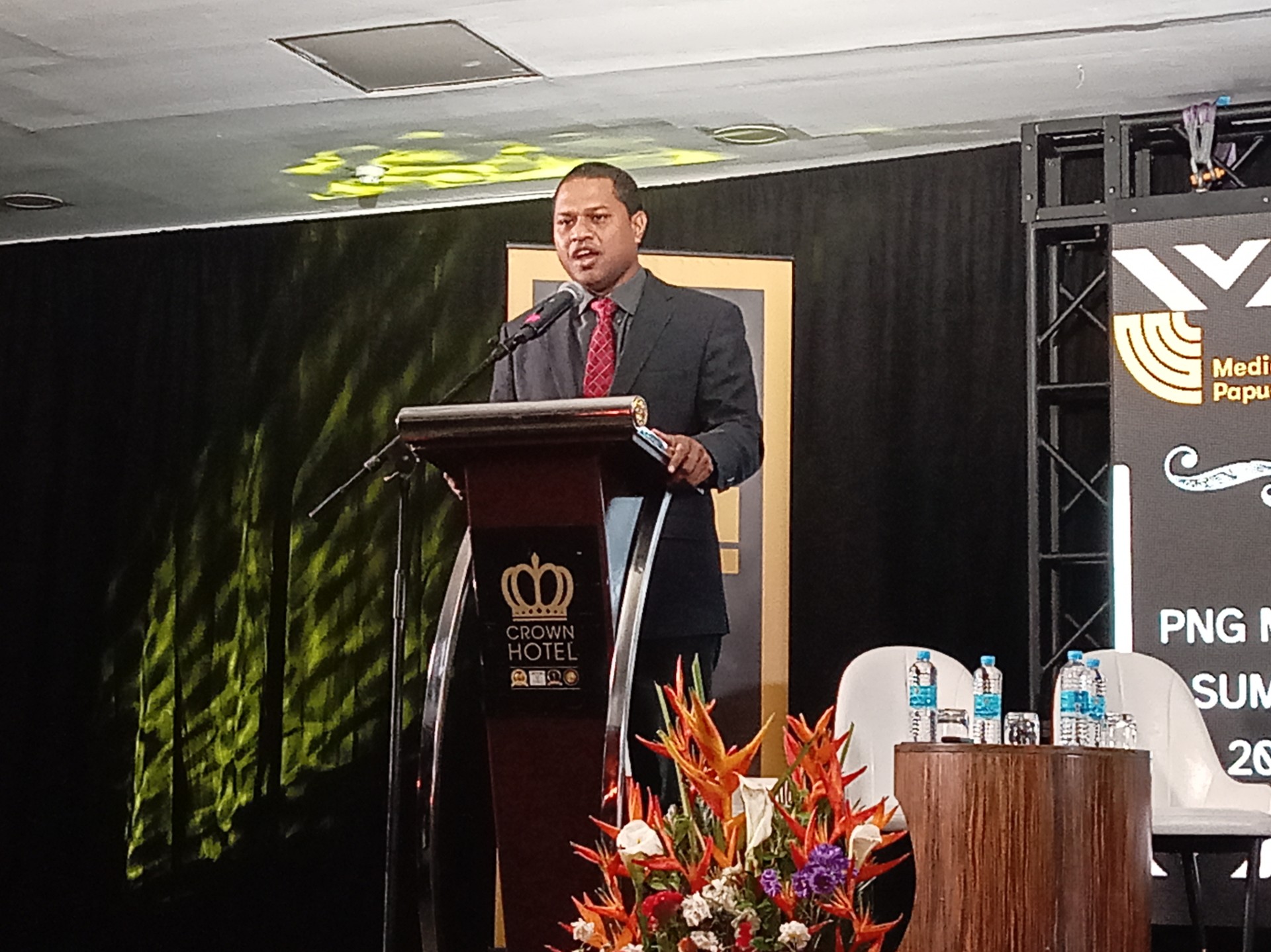 PNG MEDIA SUMMIT 2026: AI, STARLINK, AND DIGITAL TRANSFORMATION TAKE CENTER STAGE
Papua New Guinea is embracing a new digital era, with major developments in satellite internet, AI, and government technology highlighted at the recent PNG Media Summit 2026.Secretary for ICT, Steven Matainaho, announced that the Starlink license was already issued by NICTA.
Terminals can provide connectivity to rural villages and complement existing telecom networks, improving safety and access in remote areas.
Matainaho also outlined advances in digital public infrastructure (DPI).
Citizens can now obtain a digital ID in five minutes via the Service Wallet app, using biometric verification.
The system integrates AI to streamline service delivery while maintaining human oversight.
On the media front, Matainaho stressed the ethical use of AI in newsrooms.
“Do not use AI to produce more noise; use it to defend trust.”
AI can assist with transcription, translation, summarization, and verifying rumors, but local journalists retain editorial control.
With the 2027 elections approaching, he emphasized rapid factchecking and information integrity, urging newsrooms to combine AI with trusted local knowledge.
Published on May 6, 2026
 AI REVOLUTION TO TRANSFORM JOURNALISM
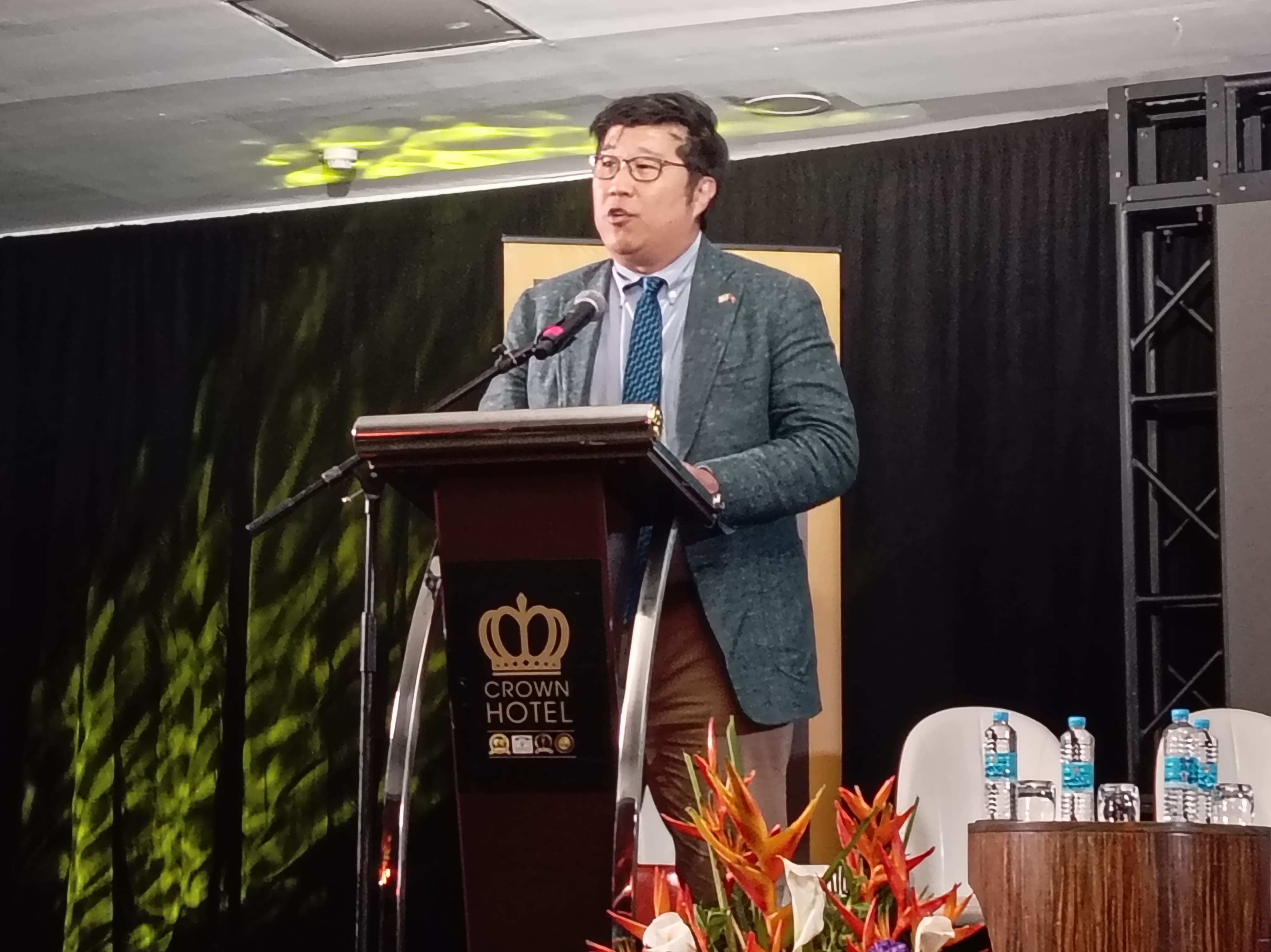
Michael Hseah, Non-Resident Fellow at Stanford University’s Center for International Security and Cooperation, recently spoke at the Media Summit 2026, at Crown Hotel, Port Moresby stressing the transformative impact of artificial intelligence (AI) on journalism and media.Hseah opened his address by drawing a historical parallel, comparing the ongoing AI revolution to the Industrial Revolution 250 years ago.
“The Industrial Revolution made things by hand almost costless. The AI revolution is doing the same for things made by the mind, art, music, literature, filmmaking, software. The cost of production is approaching zero.”
Hseah stressed that this shift is particularly weighty for journalism, where the cost of producing words, images, and video content is rapidly falling.
His presentation also included a demonstration on the challenge of detecting fake content.
Hseah presented a series of images to the audience, asking them to identify which were real or fake.
In a surprising twist, he revealed that all of the images were fabricated, illustrating how easily even experienced observers could be misled.
He used this example to emphasize the importance of vigilance and critical thinking in journalism.
Hseah also addressed opportunities AI presents for media organizations.
Highlighting tools such as Google Pinpoint, he explained how AI can sift through massive datasets, analyze video and photographic content, and assist journalists in uncovering critical information.
He emphasized that such tools are increasingly available at low or no cost, potentially empowering journalists to report more efficiently and effectively.
Beyond tools, Hseah discussed the business side of journalism.
Drawing parallels with streaming platforms like Netflix, he noted that AI-driven content recommendation systems dramatically increase engagement, suggesting similar strategies could help journalistic organizations retain and expand audiences.
“Engagement is key. AI can help newsrooms deliver content that resonates with readers while maintaining journalistic integrity.”
Hseah concluded with a call for both vigilance and curiosity: by questioning what we know and using AI responsibly, journalists can navigate the opportunities and challenges of the AI era while preserving credibility and authenticity.
Published on May 5, 2026
 PANEL DISCUSSES AI & ITS INFLUENCE ON NATIONAL ELECTION
As Papua New Guinea prepares for the 2027 national elections, concerns are mounting over the role of artificial intelligence in shaping public opinion.At a panel discussion during the PNG Media Summit 2026 in Port Moresby city today, specialists warned that AI-generated misinformation and deep fakes could pose serious risks to both electoral integrity and public trust.
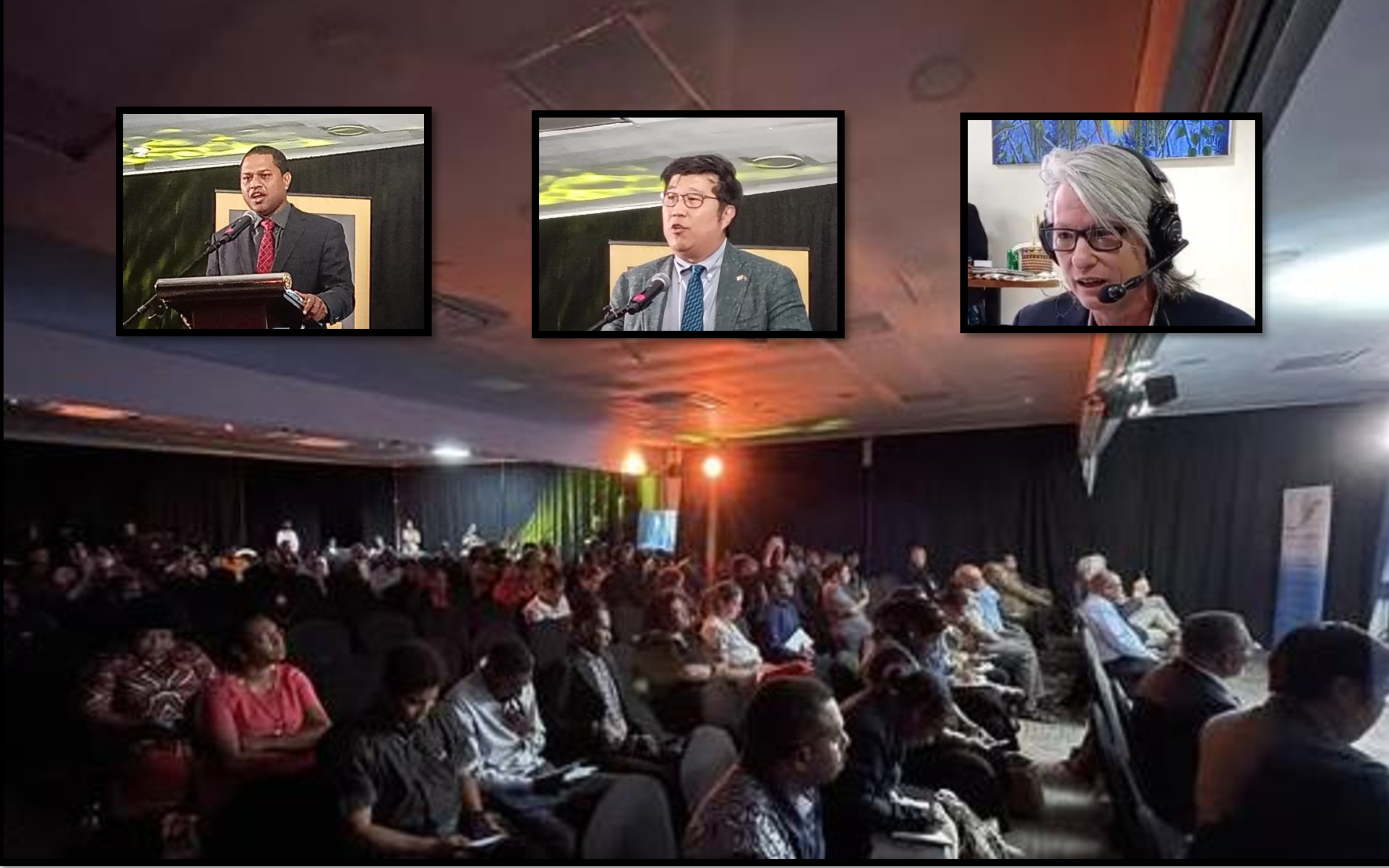
Moderated by veteran journalist Scott Waide, a panel of specialists, including Steven Matainaho, Secretary for the PNG Department of Information and Communications Technology; Michael Hseah, Non-Resident Fellow at Stanford University’s Center for International Security and Cooperation; and Craig McCosker, Product Strategy Manager at the Australian Broadcasting Corporation, spoke on both the dangers and potential benefits of AI for media and governance.
Waide opened the discussion by noting growing fears that AI-generated content could flood digital platforms during the election cycle, potentially influencing voter perception.
Hseah assured that this is not a challenge unique to Papua New Guinea or the Pacific, but a global concern affecting democracies worldwide.
He also stressed how AI could be used to enhance quality journalism, enabling a single well-researched story to be adapted on multiple channels.
“AI can take one well-researched story, verified and edited carefully, and share it across radio, TV, print, online, and multiple languages; thus, making the work of one journalist reach as many people as a thousand.”
Yet the same technology could also be exploited to generate large volumes of misleading content in minutes.
The panel also discussed the production of AI-driven propaganda videos globally, including very viral material from conflict zones such as Iran.
Hseah described this shift as part of “a thousand industrial revolutions,” where the cost of producing content “made by the mind” has fallen nearly to zero.
“We cannot pretend we live in the old world anymore.”
Matainaho stressed the need for strong governance around AI and data. He called for regulations to ensure data protection, accountability, and cultural context are considered in AI distribution.
“When you input information into platforms like ChatGPT, whose data are you pushing in, where is it being processed, and how is it being used?”
He emphasized that pacific nations often rely on AI models developed overseas, which may poorly represent local cultures and knowledge.
Closing the session, the panel agreed that AI is both a powerful tool and a serious threat.
McCosker added that media organizations must leverage AI’s speed and creativity to counter misinformation and understand colloquial speech while maintaining honesty in their journalism work.
Hseah concluded with a cautionary note: “The deeper question is not just what this technology does, but what values go into how we use it.”
Published on May 1, 2026
 SBPP GRADUATE RESPONDENT ENCOURAGES GRADUATES TO EMBRACE CHANGE
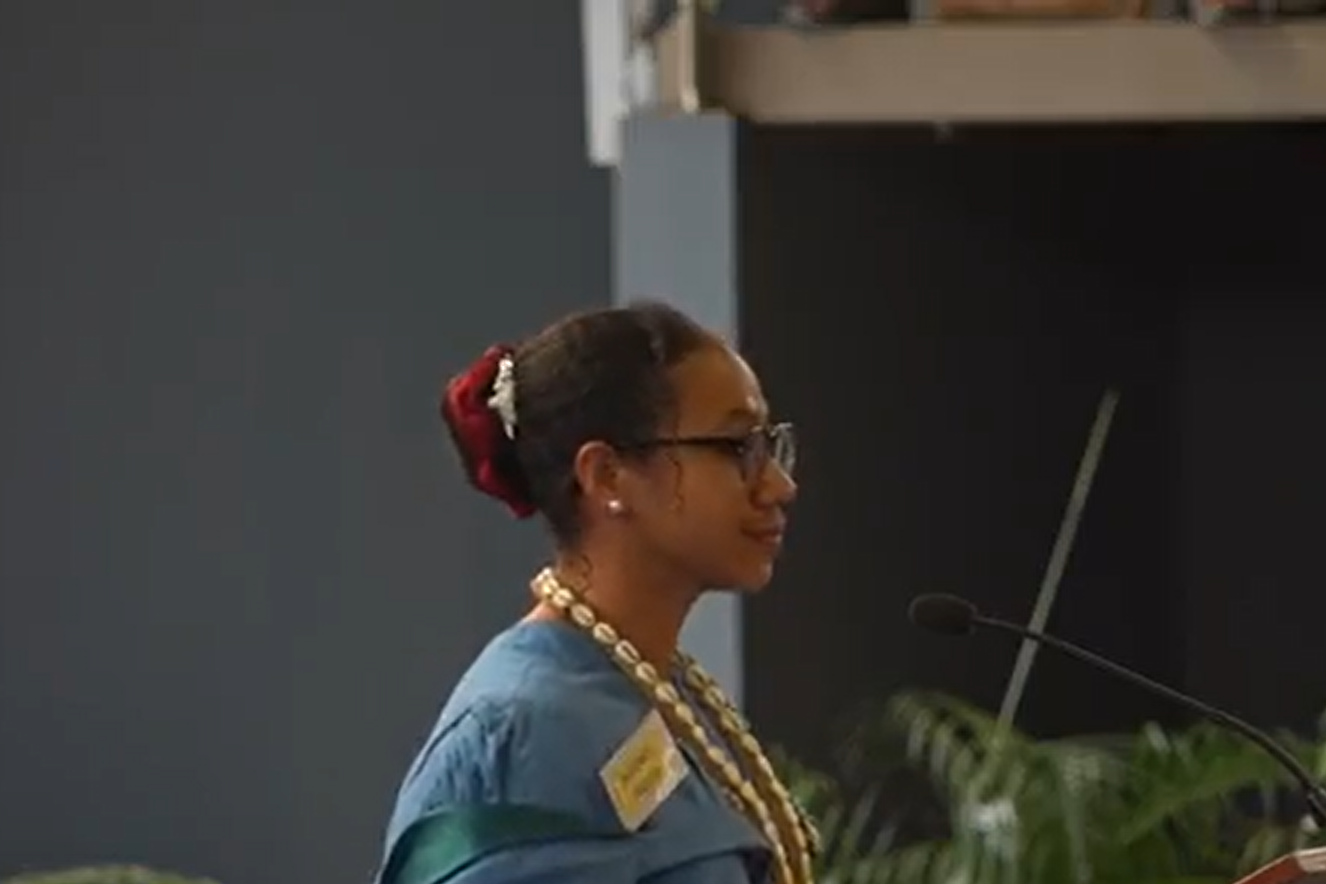
School of Business and Public Policy (SBPP) graduate respondent Rachael Onopia, spoke on behalf of the graduating class during the University of Papua New Guinea’s 71st Graduation Ceremony today at Sir John Guise Indoor Stadium, Port Moresby.Speaking before distinguished guests, university leaders, faculty members, proud families, and fellow graduates, Onopia reflected on the challenges and triumphs experienced throughout their academic journey.
“Today marks not just the end of a chapter, but also the beginning of a new journey.”
She noted that despite the many challenges, graduates persevered through resilience and determination.
“There were days where we felt overwhelmed, days where we felt lost, and days where we even felt like giving up. But alongside those struggles were moments of growth, resilience, and quiet victories.”
She thanked lecturers for their patience, mentorship, and commitment to challenging students beyond the classroom, while also recognizing administrative staff and university management for maintaining a supportive learning environment.
Addressing the rapidly evolving modern world, Onopia highlighted the growing influence of artificial intelligence and digitalization, encouraging graduates to view these developments as opportunities rather than threats.
“These are no longer just trends; they are shaping the future of work and life itself. I encourage each and every one of us not to fear these changes, but to see the opportunities they present.”
She reminded graduates that beyond earning qualifications, they now carry the responsibility to lead with integrity, make meaningful contributions, and drive positive change within their communities and beyond.
Concluding her speech, Ms. Onopia urged her fellow graduates to remain proud of their journey and optimistic about the future.
“Let us remember where we started, appreciate how far we’ve come, and remain hopeful for what lies ahead. Congratulations to you all. The future is ours to shape.”
Published on May 1, 2026
 PNG MEDIA SUMMIT 2026 UNDERWAY IN PORT MORESBY
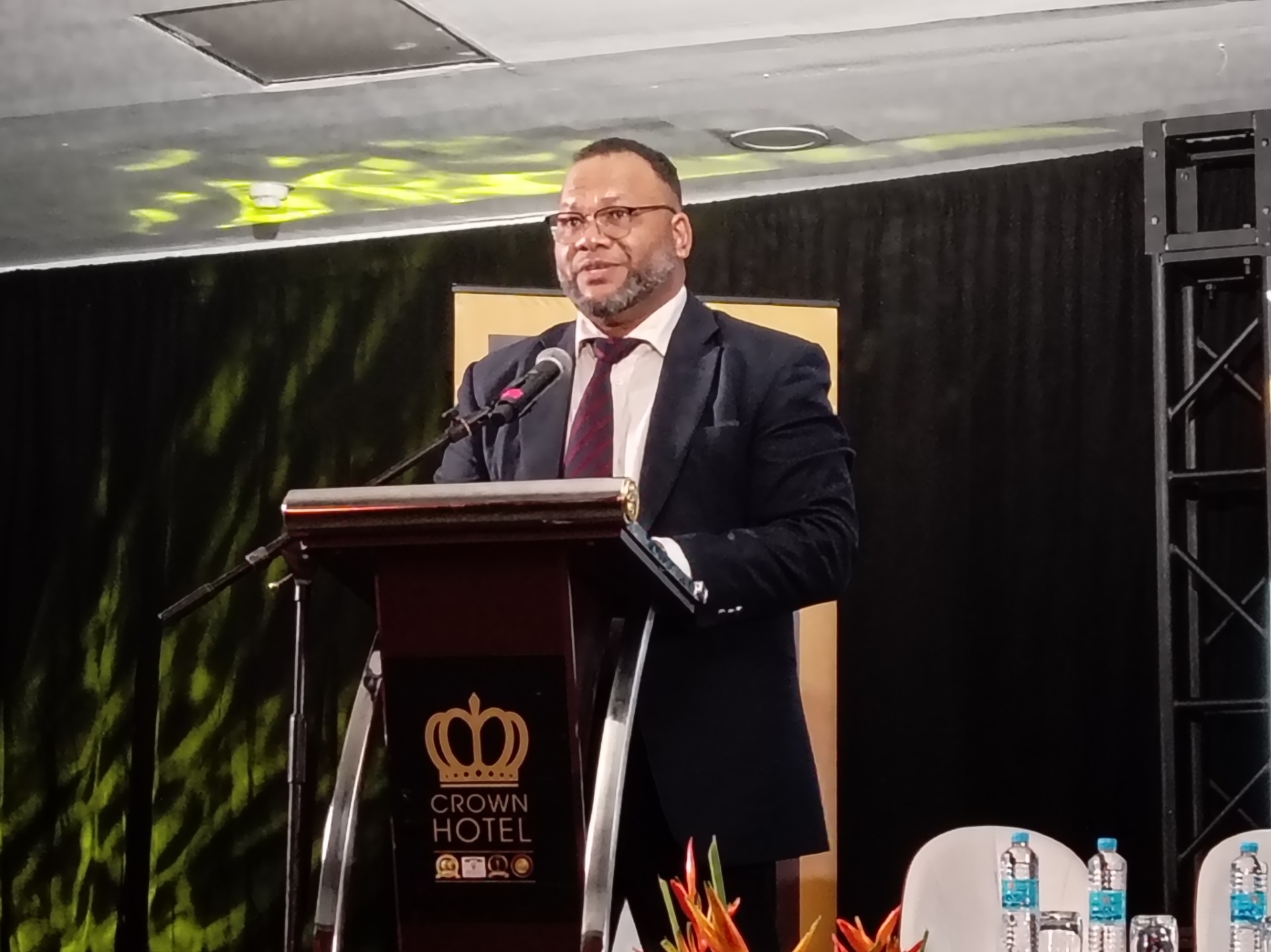
The PNG Media Summit 2026 officially opened in Port Moresby today at the Crown Hotel, bringing together journalists, editors, media leaders, government representatives, students, and pacific delegates to discuss the future of journalism in Papua New Guinea (PNG) and the region.Hosted by the Media Council of Papua New Guinea (MCPNG) and organized by Women in Media PNG, this year’s summit builds on the success of its inaugural event and expands its reach regionally, coinciding with preparations for the 2027 National General Elections and upcoming World Press Freedom Day celebrations.
Opening the summit, President of the Papua New Guinea Media Council, Neville Choi spoke on key topics for the media industry, including strengthening mainstream media as trusted and verified sources of information amid the growing spread of misinformation and AI-generated content online.
A major focus of this year’s discussions is newsroom preparedness for the 2027 elections, emphasizing fact-checking, verification, investigative reporting, and newsroom training in artificial intelligence detection tools.
“In preparation for the elections, and to ensure the mainstream media is ready for them, we in the media have prioritized focus on factchecking and verification, investigative reporting, and building the capacities of our mainstream media newsrooms in understanding AI, the tools available to detect AI content, and to include this in every day newsroom processes,” he said.
Additionally, a special session featuring PNG social media content creators is also scheduled, to bridge conversations between traditional media and digital content creators.
This year’s summit also marks PNG’s role in leading regional World Press Freedom Day celebrations throughout the Pacific, with visiting journalists from several pacific island nations participating both in person and online.
The summit continues throughout the day.
Published on May 1, 2026
 NAMANI CHALLENGES GRADUANDS TO DEFEND RULE OF LAW
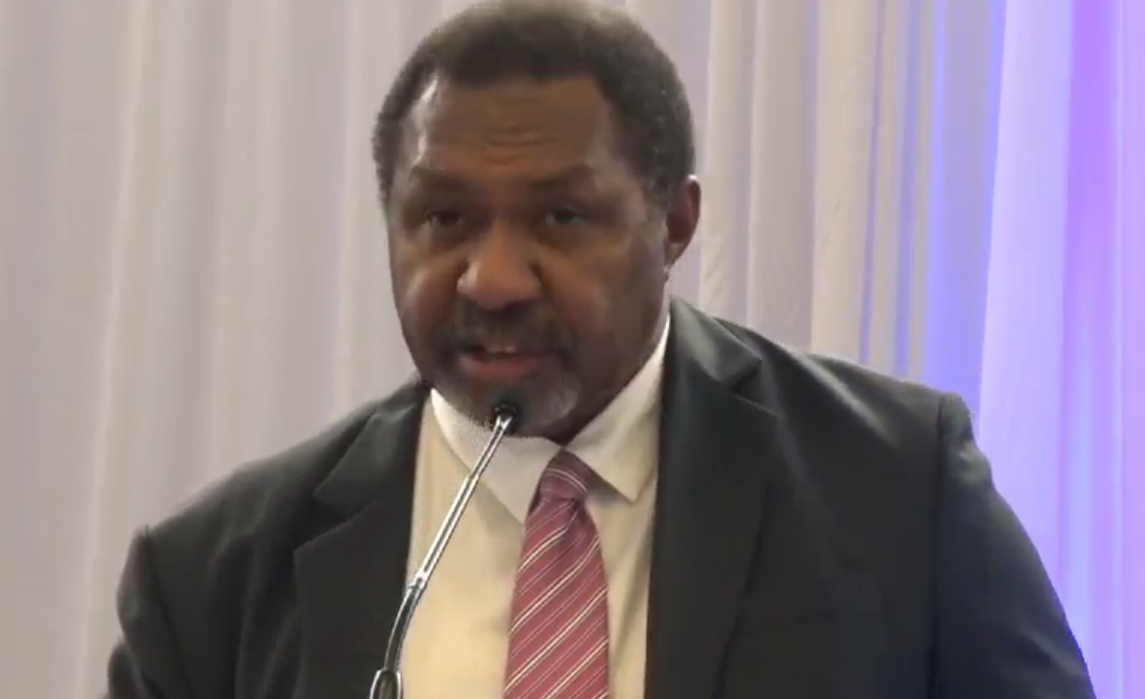
Papua New Guinea Law Society President Hubert Namani has called on the country’s newest law graduates to become courageous defenders of justice, democracy, and ethical leadership as they enter the legal profession in Papua New Guinea’s post-independence era.Speaking as guest speaker at the University of Papua New Guinea’s 71st Graduation Ceremony for the School of Law at the Sir John Guise Indoor Stadium in Port Moresby city today, Namani described the occasion as more than a graduation ceremony, calling it a “defining moment” for graduates, their families, communities, and the nation.
“You are the first generation of lawyers graduating in the post-50-year era of our independence. This is not merely a milestone; it is a responsibility.”
An alumnus of UPNG’s graduating class of 2001, Namani reflected on his own journey from sitting in the graduates’ seats 25 years ago to now leading the national legal body.
“The law is not just a career. It is a calling. Today, you are stepping into that calling.”
Namani reminded graduates that lawyers occupy a critical frontline role in protecting Papua New Guinea’s institutions.
“Democracy does not survive on speeches alone, nor on constitutions sitting on shelves.”
“It survives when courts remain independent, when elections are credible, when the law is applied fairly, and when leaders are held accountable.”
He challenged graduates to refuse the normalization of corruption, abuse of power, and lawlessness, stressing that lawyers must stand firm even when doing so is unpopular or personally costly.
“Your name is your reputation. Your reputation is your currency. Once lost, it will be very difficult to recover.”
Namani also encouraged graduates to think beyond personal ambition and financial success, instead measuring success by service to communities, justice, and legacy.
“The future of Papua New Guinea will not be shaped by politics alone. It will be shaped by whether lawyers uphold the law or compromise it.”
He further encouraged graduates to uphold traditions that visibly demonstrate the legal profession’s commitment to accountability and justice, including the annual Rule of Law March, an initiative he introduced during his presidency.
“This is more than an event. It is a statement of unity, purpose, and conviction.”
Concluding his address, Namani reminded graduates that lasting national change begins with individual action.
“We often wait for change. We look to leaders, to institutions, and to government.”
“But the truth is, you are the change you have been waiting for.”
Published on April 29, 2026
 THE LEGEND OF AANG: THE LAST AIRBENDER (2026): A FILM REVIEW BY PNGHAUSBUNG
Director: Lauren MontgomeryCast: Eric Nam, Dave Bautista, Jessica Matten, Roman Zaragoza, Dionne Quan, Steven Yeun
Rating: PG | Genre(s): Animation, Family, Drama | Run Time: 1hr 30mins
REALISTIC THEMES IN A FICTIONAL WORLD
“Mature characters dealing with complex world issues.”
After discovering a way to restore airbending to the world, Aang, Katara, Sokka, Toph, Zuko alongside an ancient airbender named Tagah, travel to a hidden location to recover a staff belonging to a previous avatar. However, a group of notorious non-benders called the Denied are also after the staff, determined to reclaim equality in a world dominated by benders.
Themes of class discrimination and trauma drives the plot. In the film, the Denied are looked down upon for having no bending abilities. Tagah, on the other hand, represents unhealed trauma that manifests in acts of revenge. Meanwhile, Aang shoulders implicit hate from society for abandoning the world during his hundred-year absence while dealing with the mental weight of the near-extinction of airbenders. These experiences fuel the story as each character journey towards the staff to fulfill their goals – equality and justice.
The film’s scripting keeps notable traits of its characters from the series. Despite being aged up, characteristics that make Aang, Katara, Sokka Toph and Zuko unique are kept which bring back nostalgia and reminds the audiences that some things don’t change even as we get older. Aang still wrestles with the weight of his mistakes; Katara is hopeful; Sokka is still comical; Toph continues to be stubborn and sassy while Zuko remains loyal to Aang and his vision for peace. All these traits keep the essence of the original series alive while also giving space for originality.
The animated film remains true to the franchise’s signature anime-inspired 2D style while elevating it for a cinematic experience. Much like the original Avatar: The Last Airbender, the characters retain their expressive designs and clean linework, but the animation now includes dynamic camera movement. This adds depth and scale, especially during action sequences, without losing the warmth and charm of the hand-drawn aesthetic.
The film’s decision to recast its core characters with new voice actors is immediately noticeable, especially for longtime fans of Avatar: The Last Airbender. Rather than trying to imitate the original performances, the new cast brings a slightly more grounded, mature tone suitable for the characters’ older ages in this story. It’s a risky balance – one that doesn’t replicate the original but support’s the film’s aim to present a more evolved story on Team Avatar.
Final Verdict:
Not the best nostalgic masterpiece, but decent nonetheless. Longtime fans of the original series may have mixed reactions to seeing beloved characters voiced by new actors.
Rating:
Rating: ★★★★☆ (8/10)
For nostalgia’s sake and for Team Avatar.
Published on April 28, 2026
 GRADUATE RESPONDENT URGES PURPOSE & RESPONSIBILITY
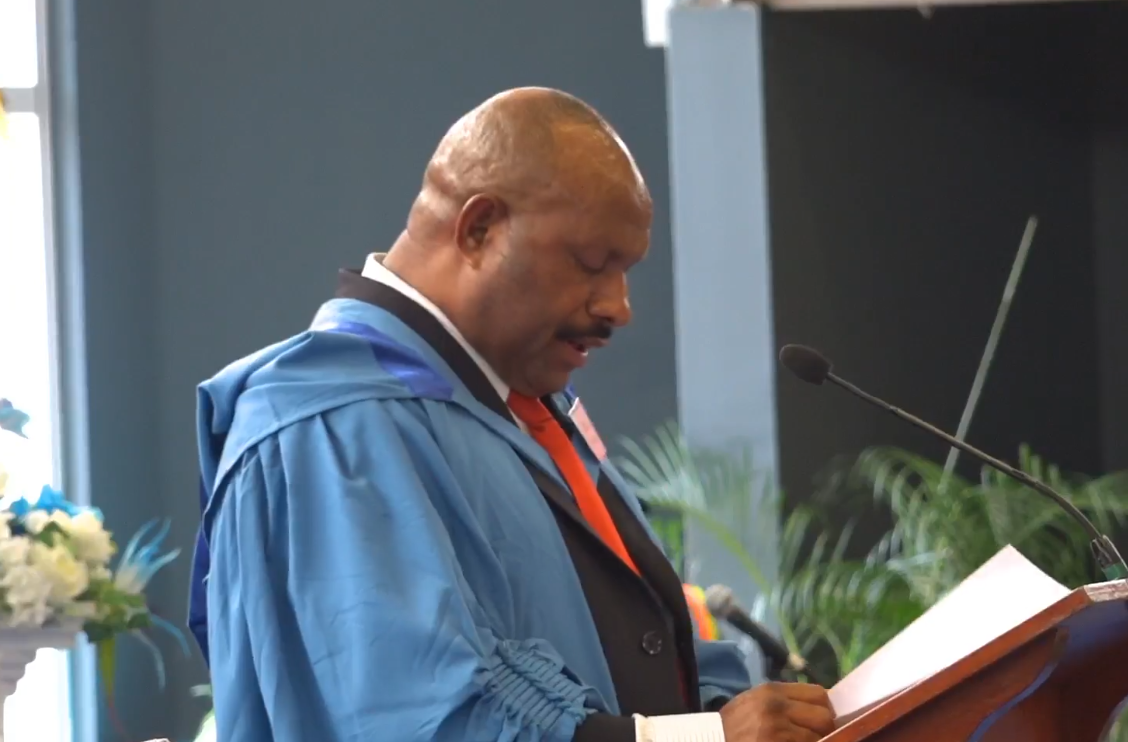
Aisop Mol, Graduate Respondent for the School of Humanities and Social Sciences (SHSS) at the University of Papua New Guinea, delivered a message of humility, gratitude and responsibility during the institution’s 71st graduation ceremony held at Sir John Guise Indoor Stadium, Port Moresby.Speaking on behalf of the graduating class, he emphasized the growth and diversity of SHSS, describing it as one of the most vital academic hubs in the country.
The school currently offers more than 17 programs spanning disciplines such as anthropology, sociology, journalism, political science, psychology, and social work.
He noted that its breadth reflects the cultural and intellectual diversity of Papua New Guinea and the wider Pacific.
He also pointed to the school’s legacy of producing national leaders, referencing figures such as the late Sir Rabbie Namaliu and former Prime Minister Peter O'Neill as examples of SHSS graduates who have shaped the nation.
“This school is not only an academic institution, but a training ground for national leadership.”
The 71st graduation marked a milestone for the school, with 294 students graduating: an increase from 271 the previous year.
Notably, the school achieved a perfect gender balance, with 147 female and 147 male graduates.
Mol called this a significant step toward inclusive education and social progress.
“This balance is not just a number; it is a sign of society moving forward.”
In his address, Mol paid tribute to lecturers and staff for instilling critical thinking, discipline and curiosity, and thanked families for their sacrifices.
He also acknowledged sponsors for investing in the development of future professionals and leaders.
Mol also spoke candidly about the challenges graduates will face in a rapidly changing world marked by economic pressures, political shifts and technological disruption.
He emphasized that success in the workplace requires more than academic achievement.
“Getting a job is only the beginning.”
“Staying in the job requires discipline and humility. Growing in the job demands adaptability, integrity and courage.”
He urged graduates to embrace empathy, communication and collaboration, qualities he described as core strengths of social scientists.
Closing his speech, Mol challenged his peers to carry forward both their qualifications and their values.
“Let us leave this hall not only with degrees in our hands, but with gratitude in our hearts and purpose in our steps.”
“What we do tomorrow will prove who we truly are.”
Published on April 28, 2026