

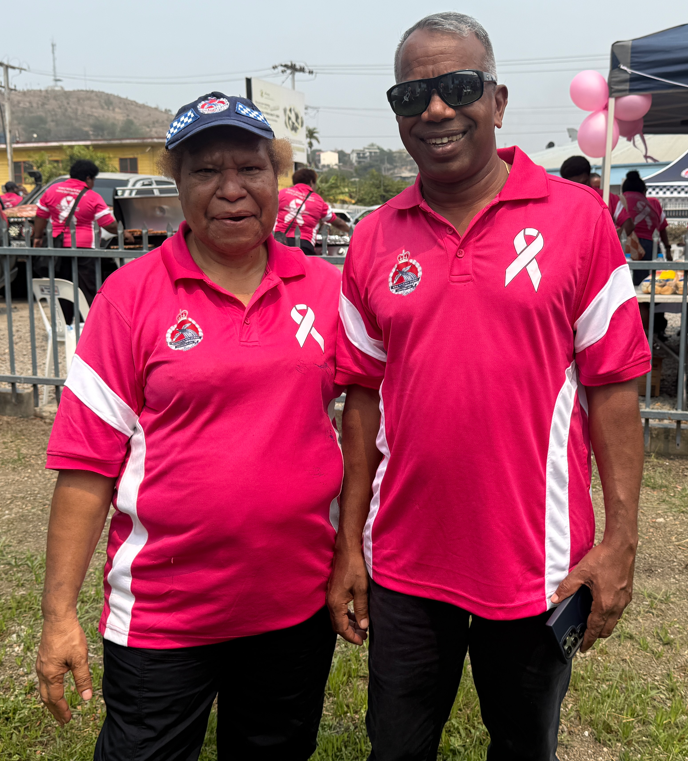
The Royal Papua New Guinea Constabulary (RPNGC) is stepping up efforts to break the silence surrounding breast cancer, urging women across police workplaces, barracks, and local communities to access early detection screening services.
Officer-in-Charge of Police Welfare, Inspector Susan Rumints, stated that the constabulary’s Pinktober activities specifically target women who lack vital health information or feel uncomfortable discussing the disease due to cultural taboos.
According to Inspector Rumints, the high turnout for this year's awareness sessions reflects a growing commitment among women to support one another and champion proactive health practices.
“A lot of women have been involved in these activities because we feel that breast cancer directly impacts us. We want maximum participation to drive this campaign forward,” Inspector Rumints said.
The campaign specifically aims to empower women who may be silently battling the disease without seeking medical aid.
“We are trying to empower women in our communities—especially those who are unaware of the sickness, those who are illiterate, and those who are living with it but are too afraid to speak out,” she added.
Inspector Rumints noted that fear, stigma, and lack of information remain the biggest barriers preventing women from seeking timely medical attention. The Pinktober campaign actively challenges these hurdles, reminding women that cancer does not discriminate.
“Some women feel too shy to talk about it. Our message to the ladies out there is simple: breast cancer can happen to anyone,” she stressed.
Rather than waiting for severe symptoms to appear, Inspector Rumints urged women to take immediate initiative by booking regular health check-ups and utilizing available diagnostic services, including mammograms and Pap smears.
“Do not wait until it is too late. Go for check-ups. We are using this Pinktober platform to spread this life-saving message both within the constabulary and to the external public,” she said.
The RPNGC has extended its awareness outreach beyond female uniform personnel to include families, dependents, and residents living within police barracks. Inspector Rumints emphasized that safeguarding the health of the constabulary's community aligns directly with its core mandate.
“The police force has a clear social and moral obligation to ensure security and safety—and that includes the health and well-being of our people,” Inspector Rumints concluded.
Medical experts maintain that early detection and timely clinical assessment remain the most critical factors in successfully managing and surviving cancer. The RPNGC urges all women to dismiss fear and embarrassment, consult health professionals, and prioritize their health screening today.