
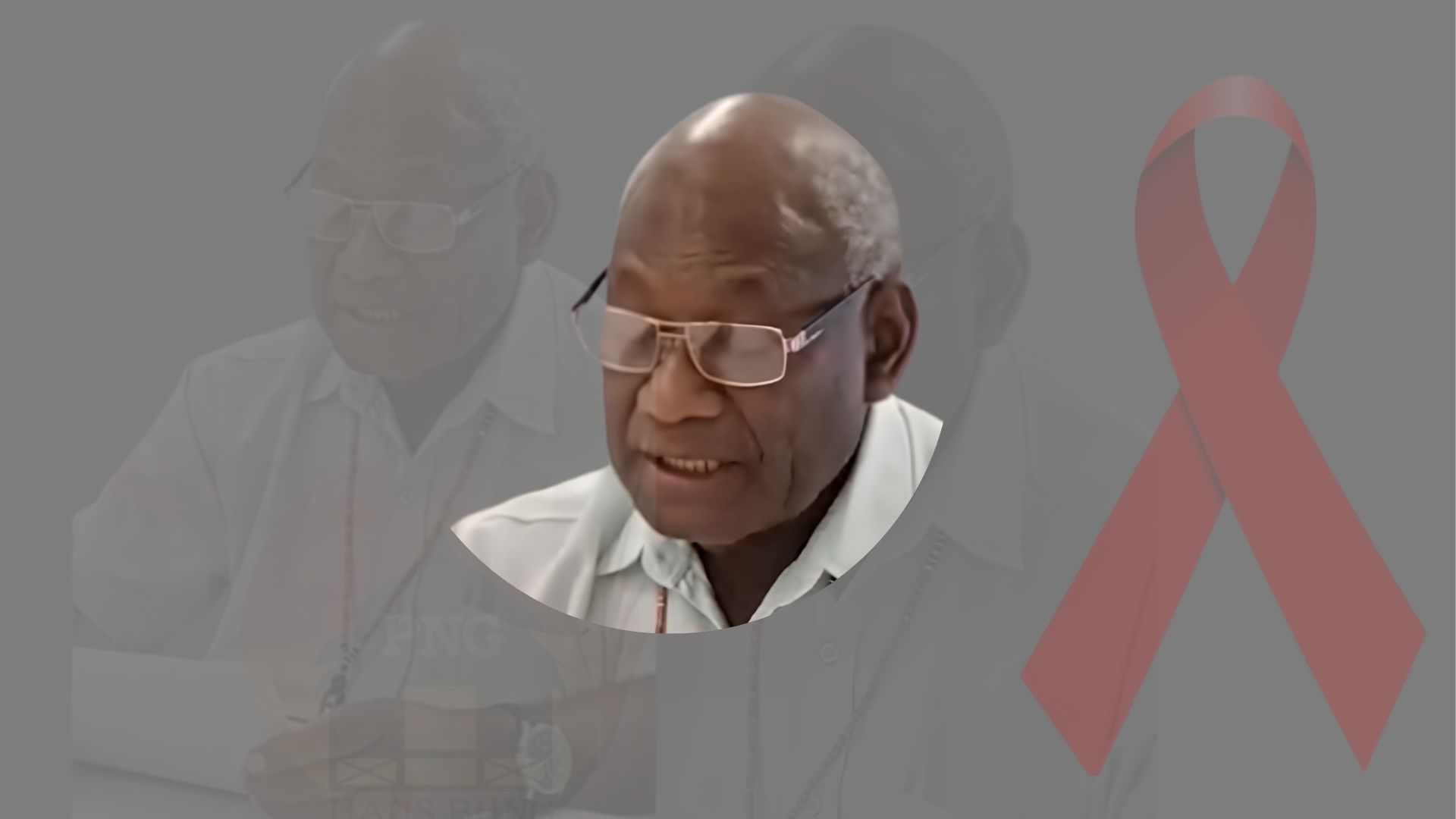
The Government of Papua New Guinea acknowledges the concerns recently raised by His Eminence Sir John Cardinal Ribat regarding the HIV situation in our country.
His call for renewed national mobilization is timely and reinforces the urgency of a coordinated national response.
The latest national estimates indicate that Papua New Guinea may now have approximately 130, 000 people living with HIV, with an estimated 11, 000 new infections in 2025, which equates to roughly 30 new infections every day.
These figures are deeply concerning and confirm why HIV has been recognized as a national crisis and public health priority.
This increase reflects both ongoing transmission and improved testing, diagnosis, surveillance, and reporting, giving Papua New Guinea a far more accurate picture of the epidemic.
Testing has more than tripled, rising from about 111, 000 tests in 2022 to over 388, 000 in 2025, and an estimated 73% of people living with HIV now know their status.
Progress has also been made in expanding access to care. More than 62,000 people were receiving antiretroviral treatment in 2025.
Nevertheless, this represents only about 57% of all people estimated to be living with HIV. Alarmingly, only around 30% of pregnant women living with HIV were estimated to have received treatment for the prevention of mother-to-child transmission in 2025.
To turn these numbers around, the government’s HIV response centers on preventing new infections, ensuring people living with HIV are diagnosed early and started on treatment, and supporting them to remain on treatment long-term.
Prevention remains critical to reducing new infections, while early and sustained treatment protects the health of people living with HIV and reduces the risk of onward transmission.
Minister for Health Dr. Billy Joseph noted that in 2026, the government has increased its funding for essential HIV medicines and commodities to help ensure treatment is available; however, more needs to be done.
He added that the National Department of Health (NDoH), with support from partners, is currently exploring the introduction of new and innovative HIV prevention and treatment options, including long-acting pre-exposure prophylaxis.
However, HIV is not solely a health-sector issue, and the government cannot address it alone. People must feel able to seek prevention, testing, and treatment without fear or judgement.
Therefore, churches, faith-based organizations, workers, development partners, civil society, communities, people living with HIV, and their families all play a vital role.
HIV is preventable, and HIV is treatable. With ongoing promotion, effective prevention efforts, early diagnosis, and sustained treatment, Papua New Guinea can change the trajectory of this epidemic.
Furthermore, the government remains committed to ensuring that the declaration of HIV as a National Crisis translates into coordinated, adequately resourced, and measurable action across Papua New Guinea.