

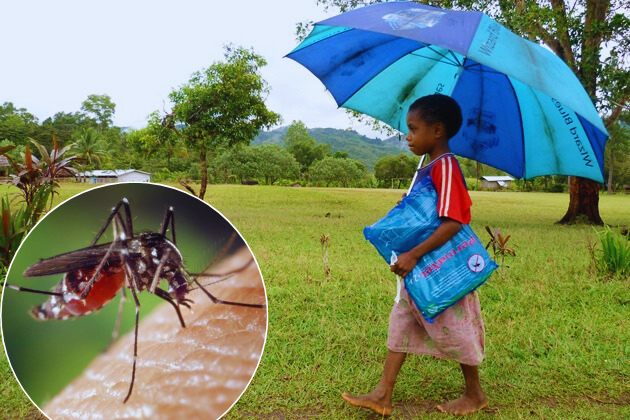
Port Moresby General Hospital (PMGH) has recorded an increase in dengue fever and malaria cases and is urging the public to take immediate preventive measures, particularly during the current period of heavy rainfall and heightened mosquito activity.
According to PMGH Pathology Workload and Disease Surveillance data, the hospital has confirmed 86 positive cases of dengue and 18 cases of malaria. Some of the malaria infections involve Plasmodium falciparum, a more severe form of the disease.
Hospital authorities say mosquito-borne illnesses such as dengue and malaria pose a serious public health risk and can lead to severe complications if not treated early.
Dengue symptoms include high fever reaching up to 40°C (104°F), severe headache, pain behind the eyes, muscle and joint pain, nausea, vomiting, swollen glands, and rash. Early symptoms of malaria commonly include fever, headache, and chills.
The hospital is encouraging members of the public to seek early testing at their nearest health facility if they experience symptoms, to allow for timely diagnosis and treatment.
PMGH emphasised that prevention remains the most effective protection against infection. The public is advised to eliminate stagnant water around homes and workplaces, use mosquito nets—especially at night—apply mosquito repellent regularly, wear long-sleeved clothing where possible, ensure water containers are properly covered, and keep surroundings clean and free of rubbish.
The hospital is also taking precautionary steps by procuring additional dengue and malaria testing kits for the emergency department and children’s emergency unit.
PMGH Chief Executive Officer Dr Paki Molumi said the hospital remains prepared to manage and treat cases, with ongoing surveillance to closely monitor the situation.
Health authorities continue to stress that community cooperation will be critical in reducing mosquito breeding and limiting the spread of the diseases.