

Papua New Guinea has begun national consultations on its next round of climate commitment with stakeholders meeting to review the draft Nationally Determined Contributions or NDC 3.0 ahead of submission under the Paris Agreement.
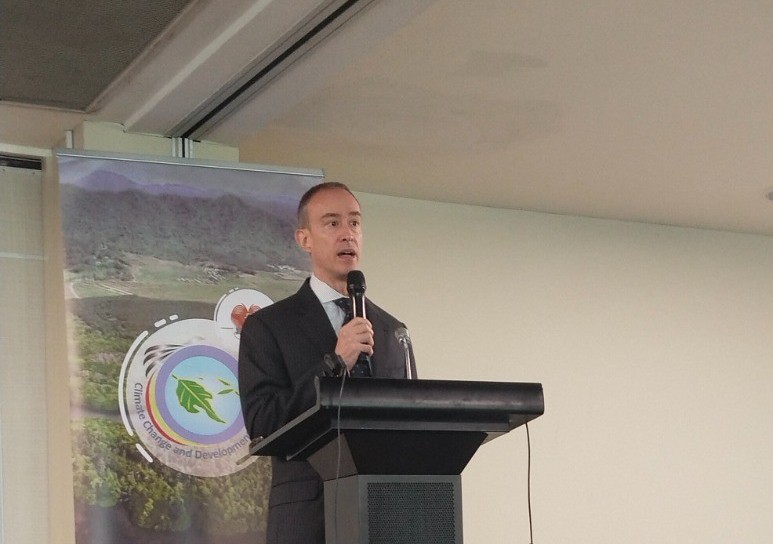
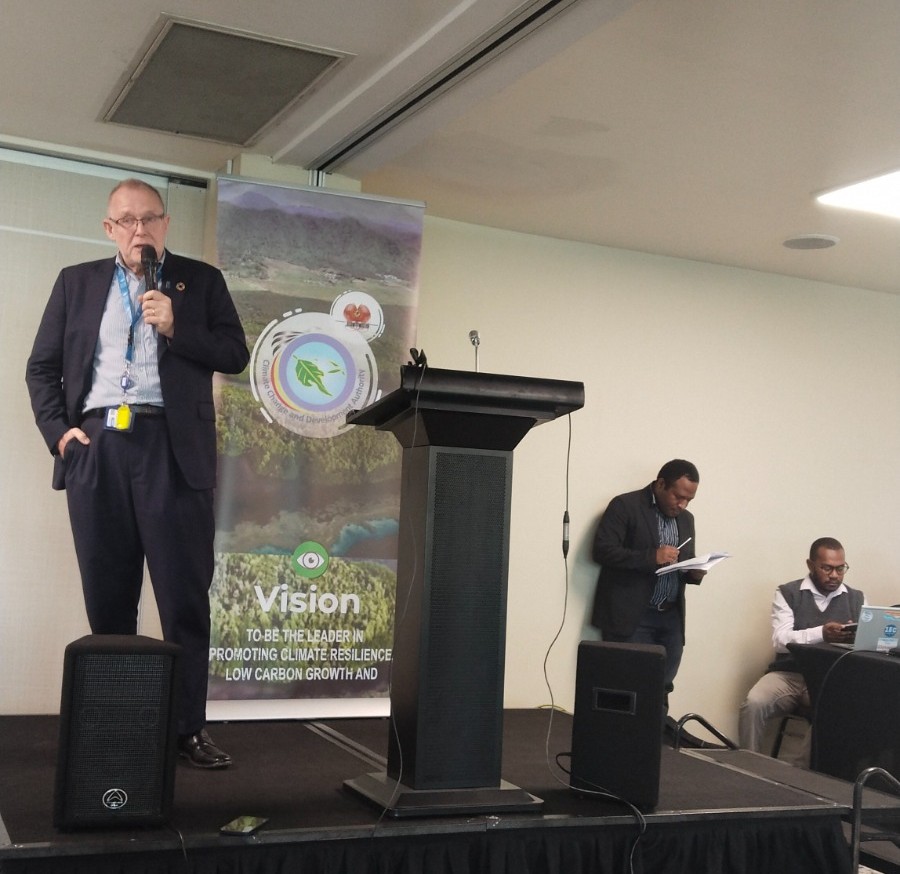
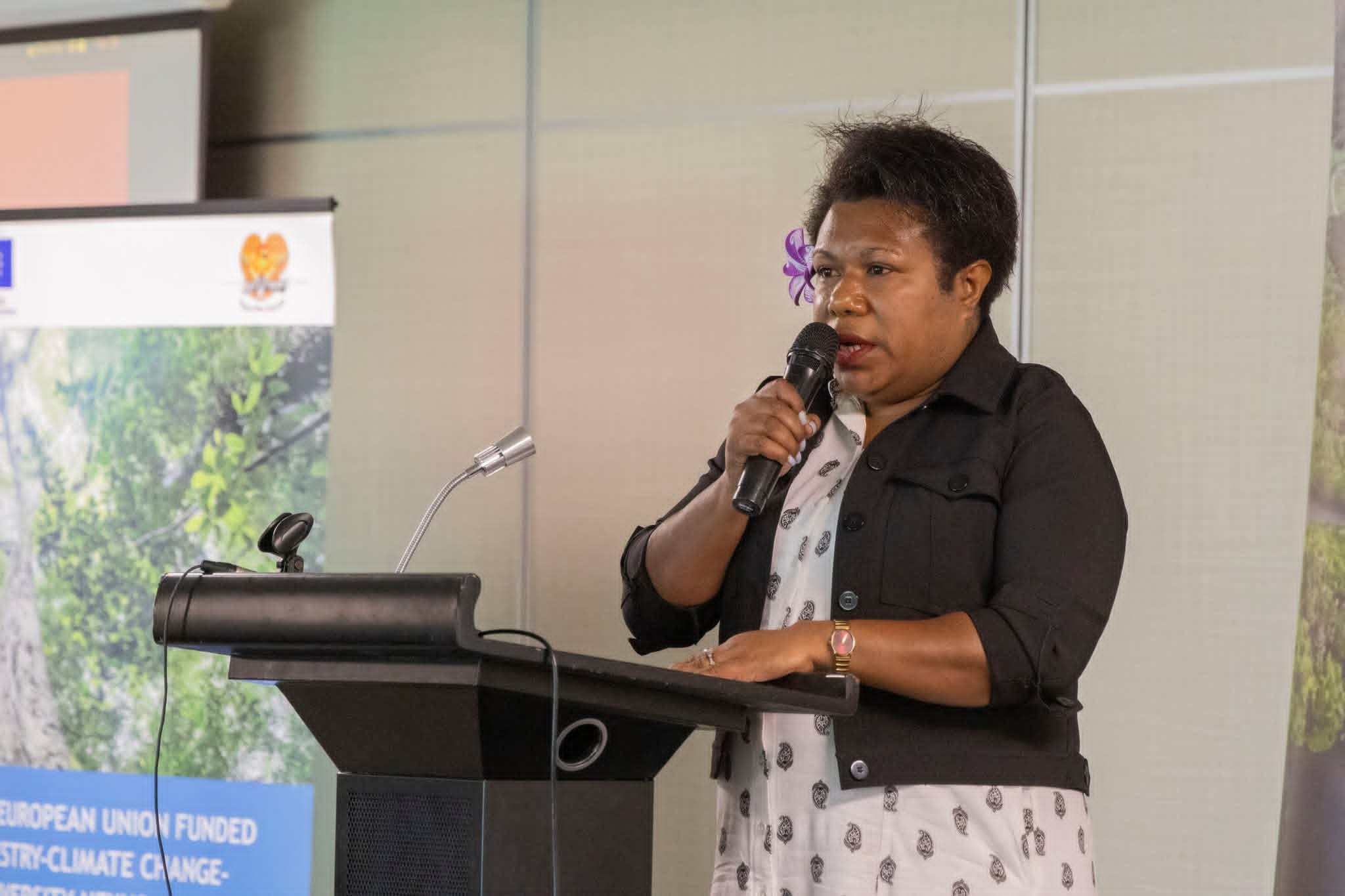
The consultation workshop, hosted by the Climate Change and Development Authority (CCDA) with support from partners including UNDP and UN ESCAP, brought together government agencies, development partners, the private sector and technical experts to assess progress and shape the country’s climate targets through to 2030.
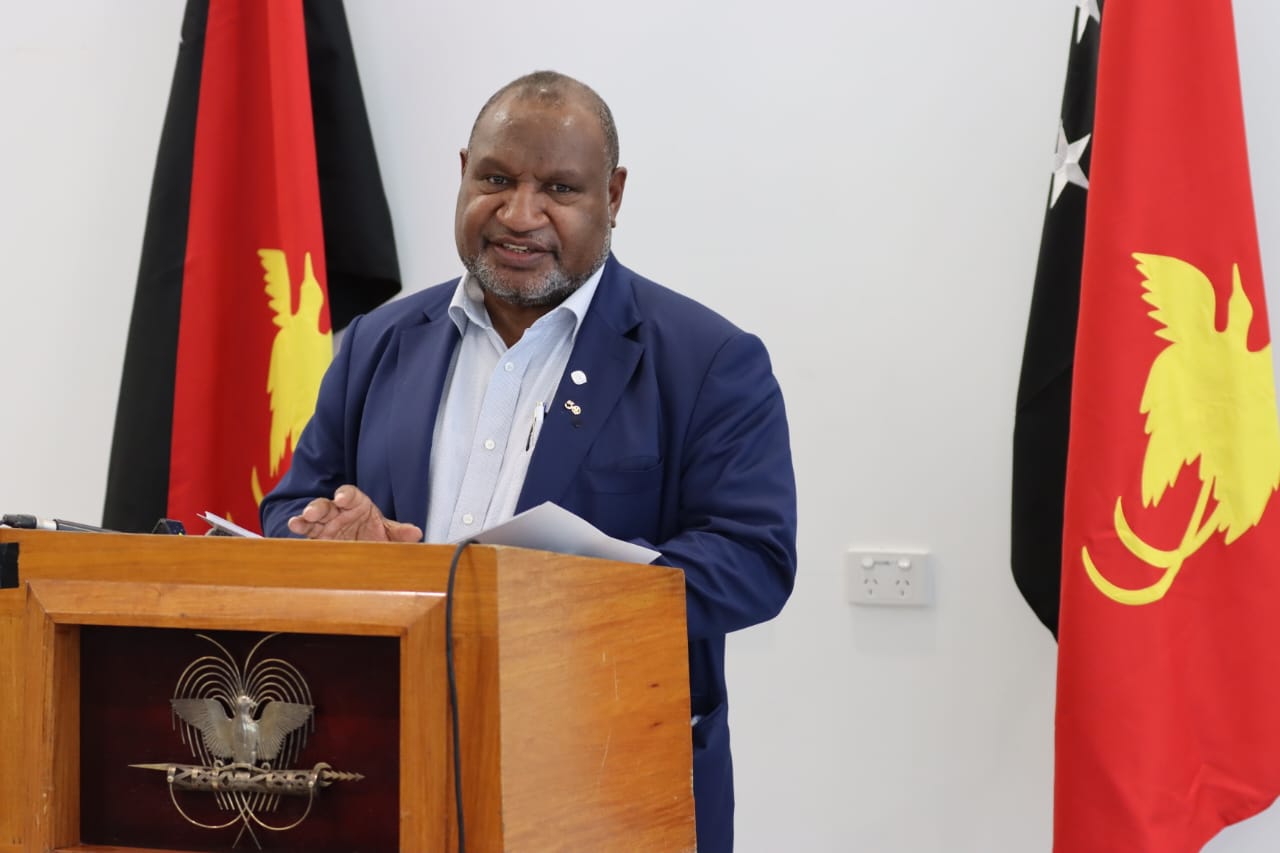
Acting CCDA Managing Director Debra Sungi acknowledged the support of international partners and local stakeholders, noting PNG has made steady progress since submitting its first NDC in 2016.
She said the draft NDC 3.0 outlines mitigation and adaptation targets across key sectors such as agriculture, forestry and land use, energy, transport, health and infrastructure.
Under its mitigation commitments, PNG aims to reduce emissions by 10,000 gigagrams of CO₂ equivalent in the agriculture, forestry and land-use sector while also pursuing policy-driven changes in transport and electricity.
Ms. Sungi said progress has been made in several areas particularly forestry and renewable energy, with PNG reportedly reaching its forestry mitigation target through work led by the PNG Forest Authority and partners.
The government is also advancing energy reforms including plans to transition 16 provinces from diesel-generated power to renewable sources such as solar, hydro, wind and geothermal.
She said the progress made so far provides a foundation to refine NDC 3.0 and ensure targets remain practical and achievable by 2030.
However, significant challenges remain especially in adaptation.
PNG estimates it will require about US$7.7 billion to implement its NDC targets with major funding gaps in climate-resilient infrastructure, early warning systems and health preparedness.
Access to multi-hazard early warning systems targeted to reach 70 percent of the population by 2030 remains a key priority, with limited progress so far.
The health sector was also identified as needing urgent support.
While food security and sustainable land-use initiatives have received backing from the Green Climate Fund, Adaptation Fund and bilateral partners, further investment is needed across sectors.
To strengthen climate finance, the government is working with the Bank of Papua New Guinea to develop a green taxonomy policy aimed at helping businesses access concessional funding for climate projects.
Authorities are targeting at least US$100 million annually in climate finance mobilization.
Looking ahead, PNG is considering new focus areas for NDC 3.0, including loss-and-damage financing and opportunities in blue carbon and carbon markets.
Nine carbon market projects are currently under review following new regulations introduced last year.
Ms. Sungi urged stakeholders to work collaboratively and align climate programmes with national priorities to ensure targets for 2030 can be achieved.
The consultation workshop will help refine PNG’s updated climate commitments before they are finalized and submitted under the Paris Agreement.