

Communities across Milne Bay Province, particularly those in the province’s remote atoll islands, are facing increasing challenges as drought conditions linked to the current El Niño weather pattern begin to impact the land.
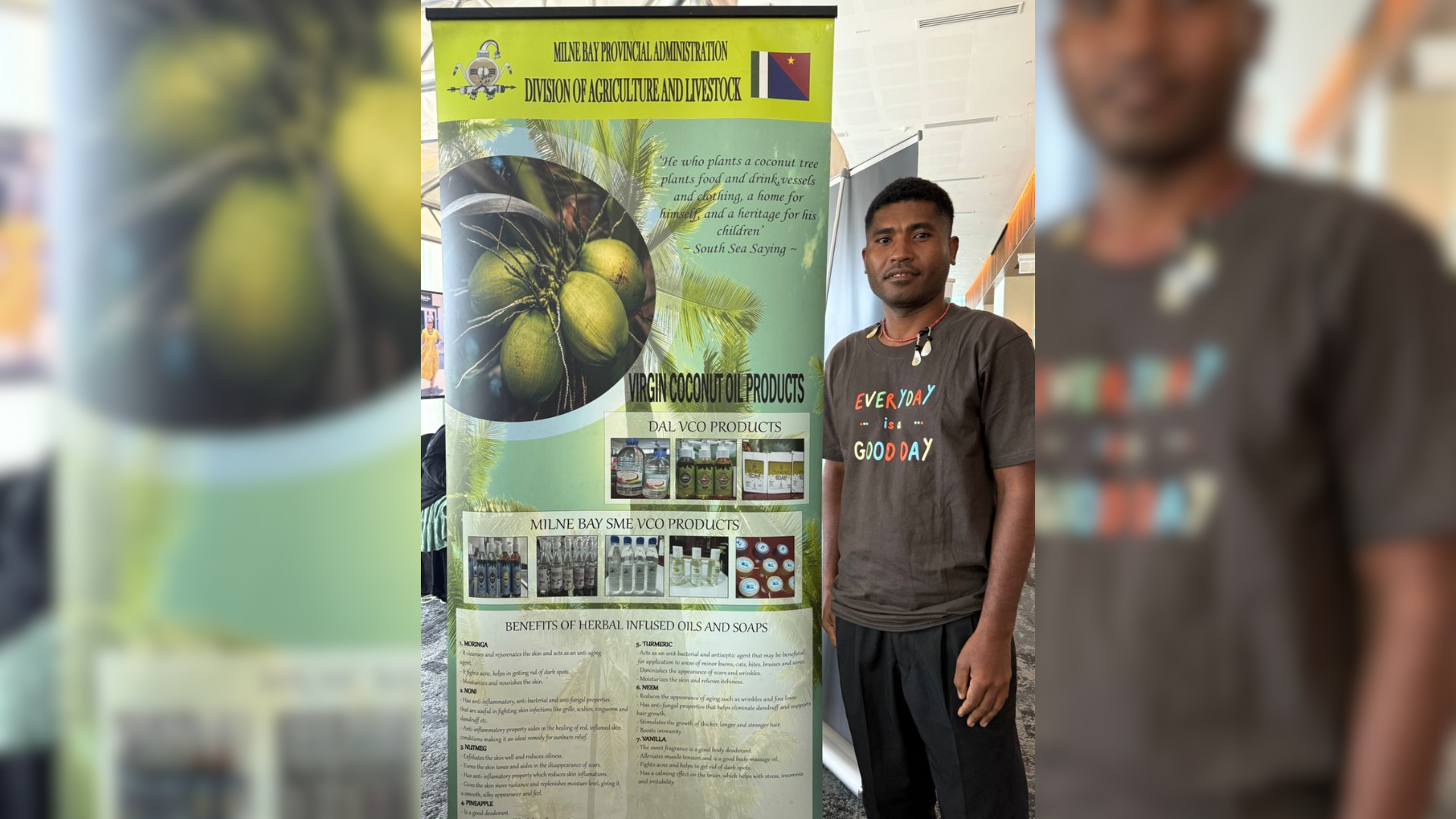
The Food Security Program Caretaker for the Milne Bay Provincial Administration’s Division of Agriculture and Livestock Skipa Christopher said the province is still recovering from the impact of a recent severe weather (Tropical Cyclone Maila) event that affected communities throughout the region.
“The entire province was affected, but the most impacted areas were the atoll island communities,” he said.
“Gardens were destroyed, food sources were lost, houses were damaged, and people’s sustainable livelihoods were significantly affected.”
Following the disaster, weather forecasts issued by national weather authorities predicted the onset of an El Niño season, bringing prolonged dry conditions across parts of the country.
According to Mr. Christopher, several atoll island communities are already experiencing drought conditions. These include Ware Island, Simsimla Island, Yegum, Yanab and Budibudi.
“As we speak, these communities are already facing drought conditions,” he said.
In response, the Division of Agriculture and Livestock has intensified its food security efforts to help affected communities maintain food production during the dry season.
As a government agency, the division operates a food crop seed garden at its resource centre, where planting materials are multiplied and prepared for distribution. The centre currently maintains climate-resilient crop varieties recommended by the National Agricultural Research Institute (NARI).
These crops include cassava, taro, corn, sweet potatoes (Kaukau) and other food varieties that have been selected for their ability to withstand prolonged dry periods, resist pests and diseases, tolerate changing weather conditions and mature early.
“We have established a total of 38 crop varieties,” he said. “Many of these are climate-resilient and suitable for communities facing drought conditions.”
The division has already begun distributing planting materials to some affected communities, including Yegum and Yanab.
Additional supplies are expected to be transported to other drought-affected areas once logistical arrangements are finalised with local community leaders.
Beyond supplying planting materials, the division is also conducting follow-up visits and training programs to assist communities in establishing their own seed gardens.
The initiative aims to ensure that residents of the atoll islands have reliable access to planting materials within their communities, strengthening local food security and improving resilience to future climate-related challenges.
Provincial authorities continue to monitor the situation as El Niño conditions develop, with ongoing support planned for vulnerable communities across Milne Bay Province.