

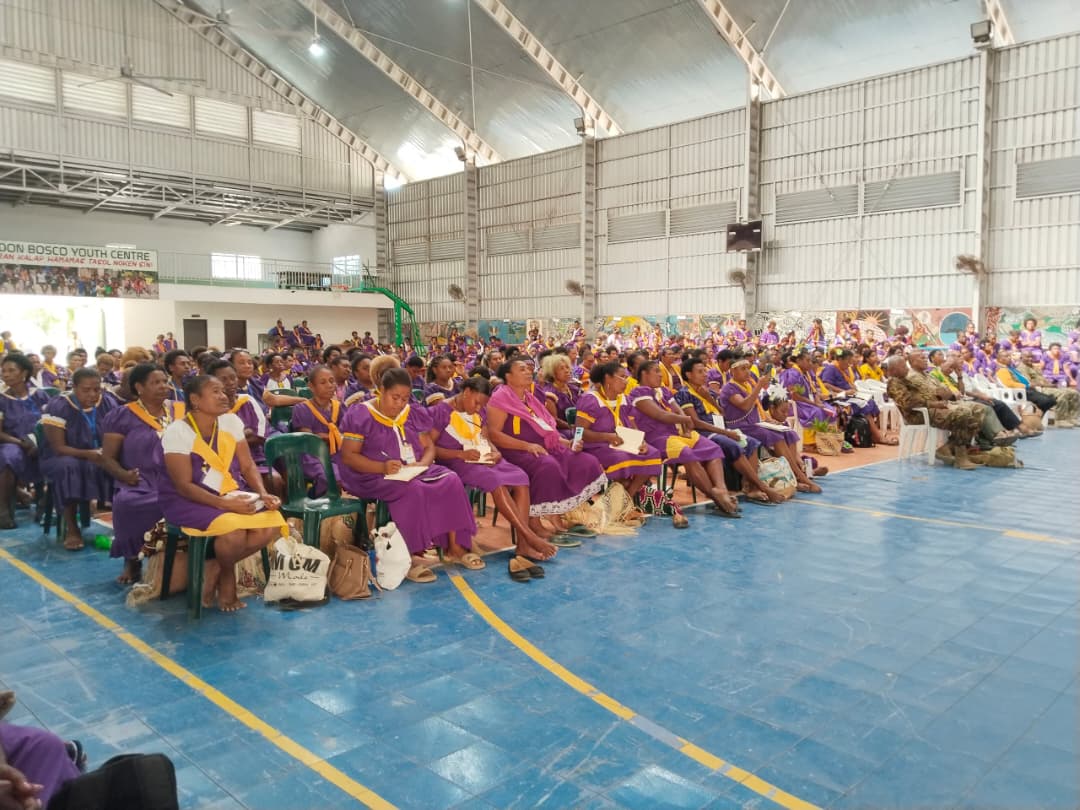
Military wives attending the 9th Biennial Military Wives Convention have been urged to take proactive steps to protect their health through regular medical check-ups and cervical cancer screening.
The awareness session, presented by Critical Care Nurse Specialist Sr Nathalie Mosh of the Murray Barracks Clinic, highlighted the growing impact of non-communicable diseases and cervical cancer on women in Papua New Guinea.
Sr Mosh described cervical cancer as one of the leading cancers affecting women in the country, noting that many cases are detected at an advanced stage when treatment options become more limited.
She told participants that cervical cancer remains a significant public health concern in Papua New Guinea, with hundreds of women losing their lives to the disease each year.
The presentation explained that persistent infection with the Human Papillomavirus, commonly known as HPV, is the leading cause of cervical cancer. Other risk factors include smoking, weakened immunity, multiple sexual partners, and a lack of regular screening.
Women were informed that symptoms may include abnormal bleeding, bleeding after intercourse, pelvic pain and unusual discharge, although early stages of the disease often show no warning signs.
For this reason, participants were encouraged to undergo regular cervical screening tests and seek medical advice promptly if they experience any concerning symptoms.
The session also highlighted the growing burden of lifestyle diseases such as diabetes, obesity, stroke, heart disease and high blood pressure, which continue to affect many families across the country.
Health survey findings from Murray Barracks conducted in 2022 revealed concerning levels of obesity and high blood pressure among women who participated in health checks, underscoring the need for greater awareness and prevention efforts.
Military wives were encouraged to adopt healthier lifestyles by increasing their intake of fruits and vegetables, drinking more water, exercising regularly and reducing their consumption of foods high in salt, sugar and fat.
Ms. Mosh emphasised that prevention and early detection remain the most effective tools in reducing the impact of both cervical cancer and lifestyle-related diseases.
The presentation ended with a call for women to take ownership of their health, support one another and become advocates for regular health screening and healthy living within their families and communities.
“Choose health, choose hope and choose life,” participants were told as the session concluded.