

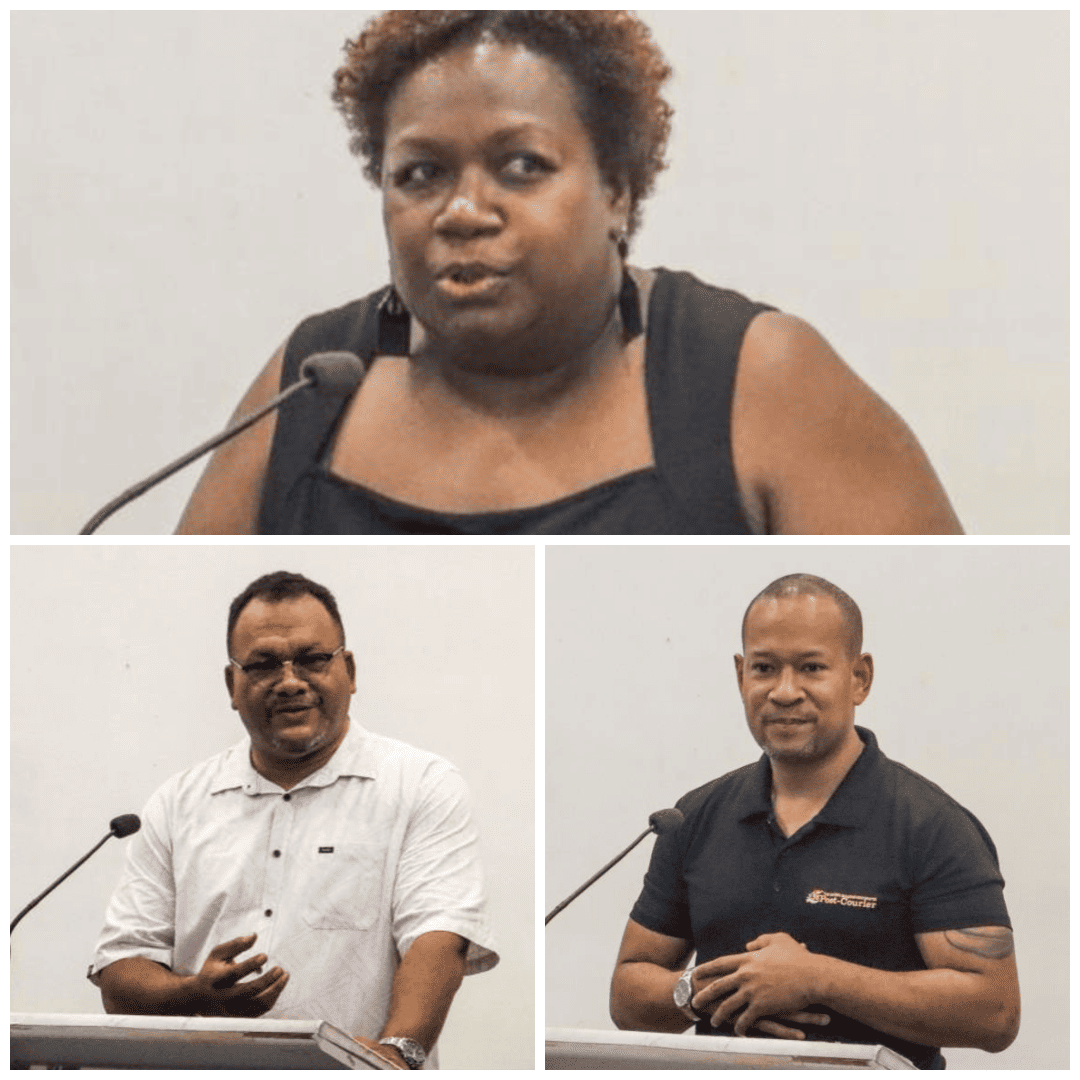
Journalism students at Divine Word University (DWU) in Madang gained valuable insights into the future of the media industry during an interactive session with representatives from BBC Media Action and the Media Council of Papua New Guinea.
The engagement brought together Communication Arts (Journalism) students and staff at DWU's Madang Campus, along with participants of the BBC Media Training Programme, to discuss the evolving media landscape, professional development, journalism ethics, digital transformation and industry challenges.
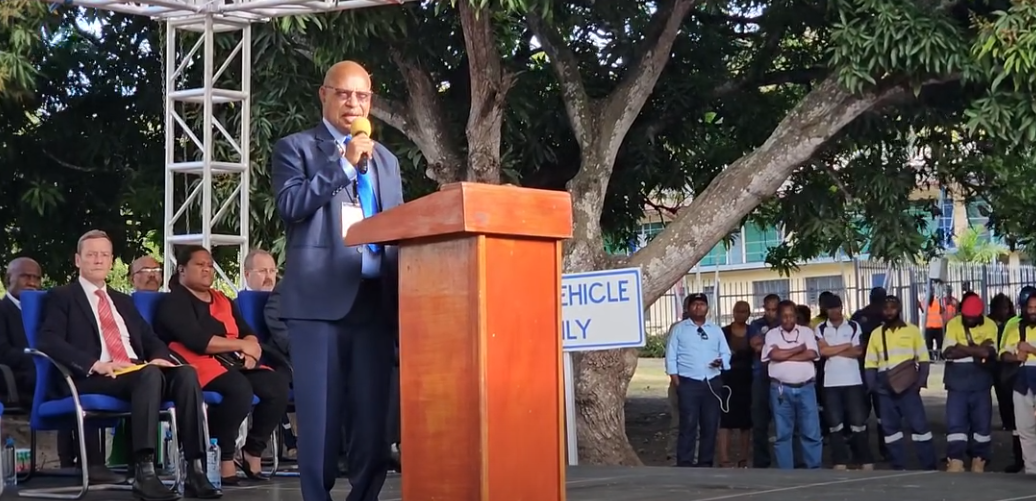
The visiting delegation included Media Council of Papua New Guinea President Neville Choi, Post-Courier Online Digital Director Matthew Vari, BBC Media Action Papua New Guinea Project Coordinator Reilly Kanamon, and Media Council Secretary, Papua New Guinea Women in Media founder and ABC Asia Pacific journalist Belinda Kora.
Addressing students from all year levels, the speakers encouraged aspiring journalists to develop the skills, professionalism and adaptability needed to succeed in an increasingly dynamic media environment.
Mr. Choi highlighted the importance of investing in the next generation of journalists and strengthening partnerships between universities and the media industry.
"We need to empower young journalists and help push them into more senior roles through programmes that develop leadership skills," he said.
He also stressed the need for closer collaboration between academia and industry to ensure journalism graduates possess the skills required in today's newsrooms.
"We are having conversations to bring universities, editors and industry together so that we can discuss the skills needed for today's media landscape," Mr. Choi said.
Encouraging students to uphold professional standards, Mr. Choi urged them to become familiar with the journalism Code of Ethics.
"Read the Code of Ethics. You are the batches that are going out now. You have to be better than us," he said.
He also reminded future media practitioners that media organisations have a responsibility to protect the welfare, safety and wellbeing of their employees.
Mr. Vari spoke on the rapid growth of digital journalism, describing digital media skills as increasingly essential across the industry.
"There is a problem in the industry with the lack of digital journalism knowledge," he said.
He encouraged universities to consider expanding digital journalism training within their curricula to better prepare graduates for modern newsrooms.
Mr. Vari also challenged students to question assumptions, investigate issues critically, and use journalism as a tool to drive positive social change.
Drawing on her experience as both a journalist and advocate for women in media, Ms. Kora shared practical advice on preparing for interviews and maintaining professional independence.
"Prepare well before you go to a press conference. You should already know what you are trying to get out of that conference," she said.
She also encouraged aspiring journalists to remain objective, resist external pressures and continue advocating for media freedom and greater access to information.
The session concluded with an open discussion, allowing students and staff to engage directly with the visiting media professionals on current industry issues and career opportunities.
DWU Head of Department for Communication Arts (Journalism), Patrick Matbob, thanked BBC Media Action and the Media Council of Papua New Guinea for engaging with students and sharing their industry expertise.
He said such engagements provide valuable exposure to current media trends, professional expectations and the practical realities of journalism, helping prepare graduates for successful careers in the profession.
The visit reflects DWU's ongoing commitment to strengthening links with the media industry and equipping future journalists with the knowledge, ethical foundation and practical skills needed to contribute to Papua New Guinea's evolving media landscape.