


UMNO was the dominant party in a coalition that ruled Malaysia for over 60 years, but it lost power in the 2018 general elections due to a financial scandal involving state fund 1MDB.
The party returned to power in 2020 after the sudden resignation of then-Prime Minister Mahathir Mohamad, which allowed Muhyiddin to form the current ruling coalition. Muhyiddin said in a Thursday statement that lawmakers in the coalition who are not from UMNO would support Ismail as the new prime minister, on condition that the new cabinet doesn’t include anyone with court charges.
Several UMNO lawmakers, including party president Ahmad Zahid Hamidi and former Prime Minister Najib Razak, currently face corruption charges. Both Zahid and Najib have denied wrongdoing.
‘Recipe for instability’
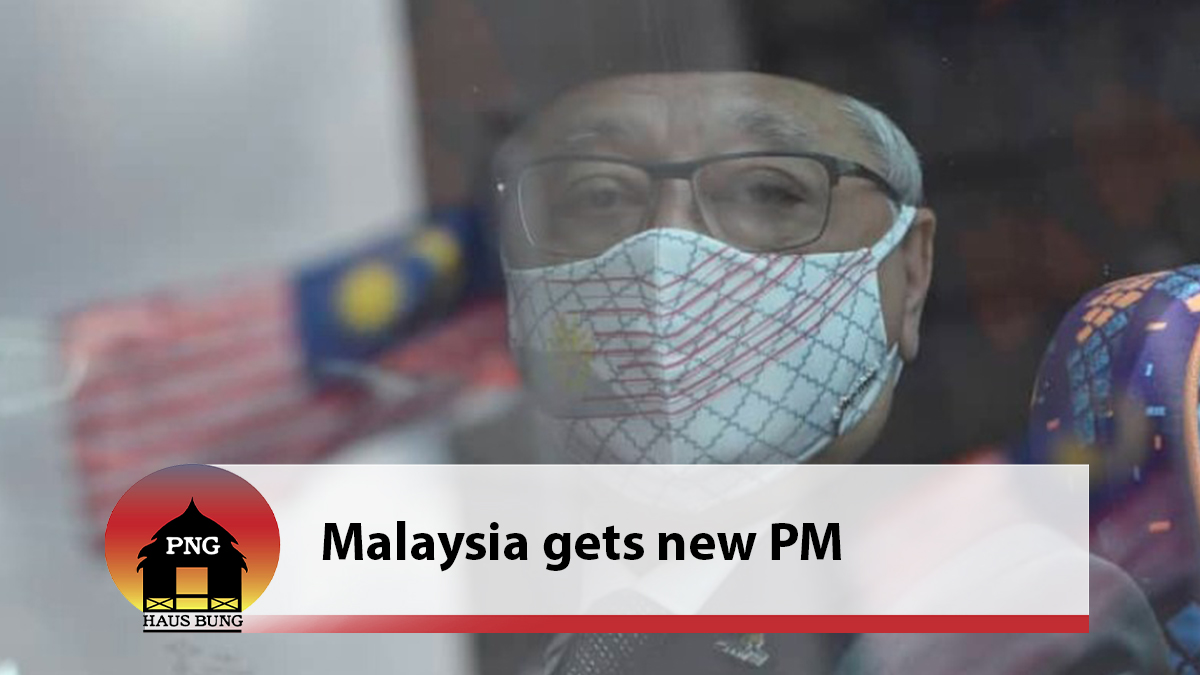
Before the appointment of Malaysia’s new prime minister, political analysts said Ismail would be a poor choice due to his association with the Muhyiddin government — which was widely criticized for mishandling the country’s worsening Covid-19 outbreak.
Ismail’s appointment will not end the political uncertainty that Malaysia has faced since the 2018 elections, said analysts.
The political situation in Malaysia is a “recipe for instability,” Peter Mumford, practice head for Southeast and South Asia at risk consultancy Eurasia Group, told CNBC’s “Capital Connection” on Tuesday.
Malaysia has many political parties and none hold more than 20% of parliamentary seats, while politicians don’t differ much in their economic ideology as politics is mostly driven by race and religion, explained Mumford.
In addition, politicians are not loyal to their parties and are “quite happy” to switch parties, he said.
“One of the key ways out of this political mess is for another round of general elections, and then after that negotiations on who could be the next prime minister. And if those elections result in a party or a coalition having a clear majority, then there’ll be more of a stable government,” said Mumford.
SOURCE: CNBC NEWS