
National GBV Secretariat Executive Director Diane Kambanei has said that regular coordination meetings, stronger provincial leadership and sustainable funding are essential to improve responses to Gender-Based Violence (GBV).
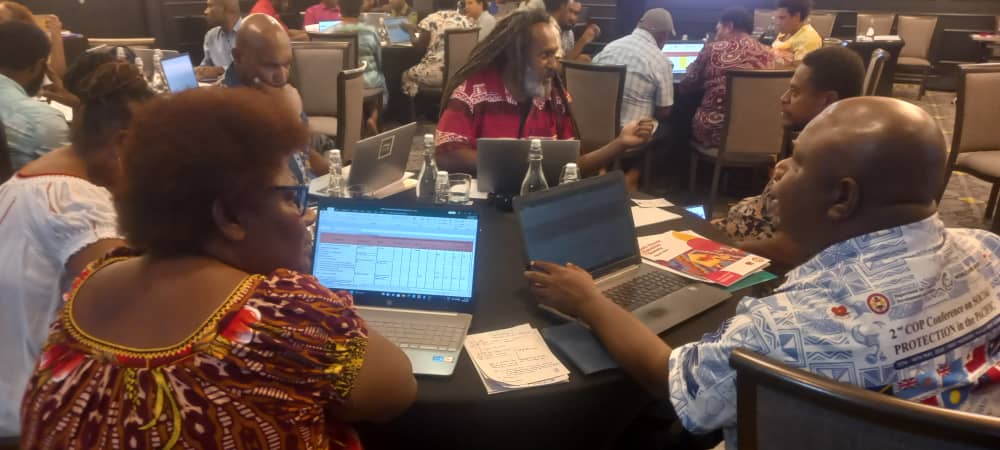
Reflecting on provincial presentations at the 2nd GBV Workplan Plenary Workshop in Port Moresby this week, Ms. Kambanei said provinces that regularly convene GBV Action Committee meetings were able to give clearer, more detailed accounts of their work.
She said the Action Committee meetings helped partners coordinate their efforts and make it easier for provinces to report on activities across the different areas of the GBV response.
“Where provinces are meeting regularly. The stories of what they have done are much more illustrative,” she said.
Ms. Kambanei alluded to examples of collaboration presented by Jiwaka and West New Britain, including support for Family Support Centres and assistance from partner organisations.
She also praised Western Highlands for establishing GBV Action Committees at provincial and district levels, saying the structure helps coordinate frontline services and support safe houses effectively.
However, she said some provinces still needed support to establish effective committees with senior decision-makers at the table. East Sepik, she noted, had highlighted the importance of having high-level representatives involved.
The presentations also revealed major differences in provincial funding for GBV work. While the National Capital District reported a budget of K3.5 million, West Sepik reportedly had K10,000 allocated by its provincial government. Western Highlands reported K65,000, but had not yet received the funds.
Ms. Kambanei said the Secretariat had provided K650,000 to provinces so far, distributing funds in K50,000 instalments as provinces submitted reports. The funding was intended to complement provincial government contributions, but in some cases appeared to be the only funding available. And that is not sustainable.
"Provincial governments needed to make GBV a stronger budget priority and consider how funds available through existing provincial mechanisms could support the response," she said.
Access to funding was also complicated by the fact that some provinces did not have trust accounts or other mechanisms for receiving and managing funds. As an interim measure, the Secretariat was considering practical support such as covering venue and refreshments costs so provinces could hold GBV Action Committee meetings while longer-term arrangements were developed.
Ms. Kambanei highlighted that this workshop had provided an opportunity for provinces to learn from one another and for the Secretariat to identify gaps requiring support.
She added that bringing development partners, such as the UN agencies, the Australian Government and the private sector together would help connect provincial priorities with potential funding and technical assistance.
"Even support for a single activity in each partner’s work plan, could make a meaningful contribution to provincial GBV responses," said Ms. Kambanei.
The Plenary Workshop will end with presentations from donor partners, development partners, non- government Organizations and other stakeholders, while the provinces will have an opportunity to pitch for support through their recommended activity plan.