

The National Department of Health (NDoH) has launched a nationwide rollout of HIV self-testing kits in a major effort to expand access to testing and strengthen the country's response to HIV.
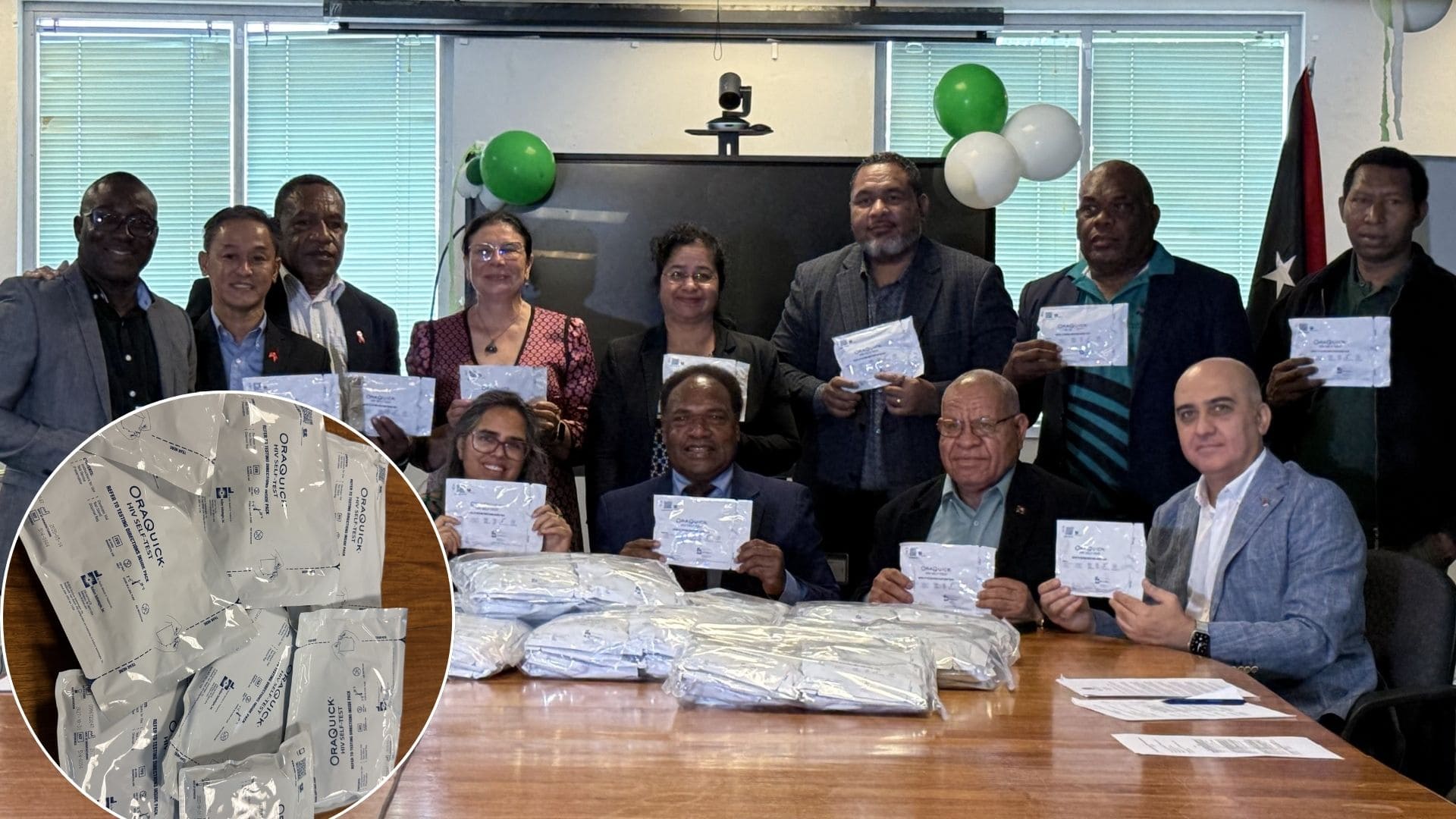
The launch was announced by Health Secretary Pascoe Kase following the arrival of the first shipment of 26,000 HIV self-screening kits. The kits form part of a total procurement of 52,000 self-testing kits that will be distributed throughout the country this year.
The initiative is being implemented through a partnership involving the National Department of Health, Australia's Department of Foreign Affairs and Trade (DFAT), UNAIDS, UNFPA, the United Nations and community-based organisations working in HIV prevention and care.
According to Mr. Kase, the kits are expected to contribute significantly to Papua New Guinea's HIV testing targets by reaching people who may not otherwise access conventional health services.
He said, “Papua New Guinea continues to face one of the highest HIV burdens in the Pacific, with an estimated 120,000 people living with HIV and approximately 11,000 new infections recorded each year. Health authorities say many people remain unaware of their HIV status, limiting their access to treatment and prevention services.”
The self-testing kits are designed to provide a confidential and convenient option for people to know about their HIV status.
“The approach is particularly important in rural and remote communities where distance, stigma and limited access to healthcare services continue to pose challenges,” said Kase.
The national rollout follows a pilot programme conducted in the National Capital District in 2024. During the pilot, 742 people accessed HIV self-screening services, with more than half reporting they had never previously undergone an HIV test. Eleven people who received positive results were successfully linked to treatment services.
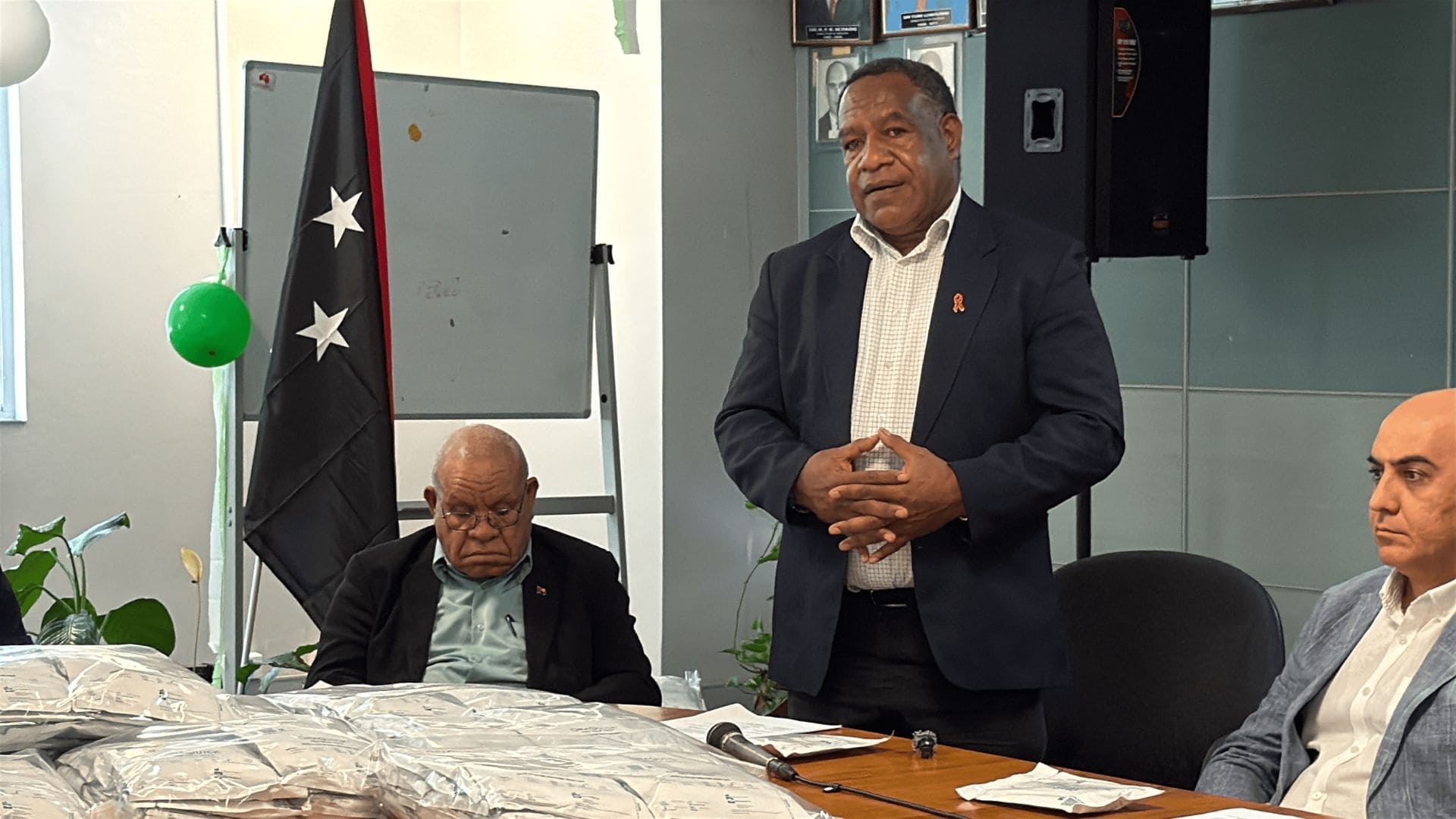
Speaking at the launch, Mr. Kase described the rollout as a significant milestone in Papua New Guinea's HIV response.
He said the programme would help reach first-time testers, people living in remote communities, and others who face barriers to accessing traditional testing services.
Mr. Kase also stressed that self-testing should not replace existing health services but should be supported by strong referral systems to ensure people receive confirmatory testing, treatment, and prevention services where necessary.
DFAT First Assistant Secretary Dr Ramez Alahzzaa said Australia was proud to support innovative approaches that bring health services closer to communities and improve access to life-saving treatment.
Meanwhile, UNFPA Country Representative Dr Saira Shameem said HIV self-screening would give individuals greater choice and control in managing their health, particularly young people, women and vulnerable populations who face barriers to accessing healthcare.
Furthermore, United Nations Resident Coordinator Shalini Bahuguna said expanding access to HIV testing was both a public health priority and a matter of equity and human rights.
The HIV self-testing kits will be distributed through selected community organisations and trained community-based providers, including the Key Population Advocacy Consortium and its outreach networks.
Health officials say the programme marks an important step towards increasing HIV testing coverage, reducing stigma and ensuring more Papua New Guineans can access treatment and prevention services.
Members of the public seeking information on HIV self-screening, counselling or referral services can contact the National Response Centre on 7309 6477.