

International partners have reaffirmed their commitment to Papua New Guinea’s immunisation efforts, as the country launched its 2026 vaccination campaign alongside the third round of its polio outbreak response.
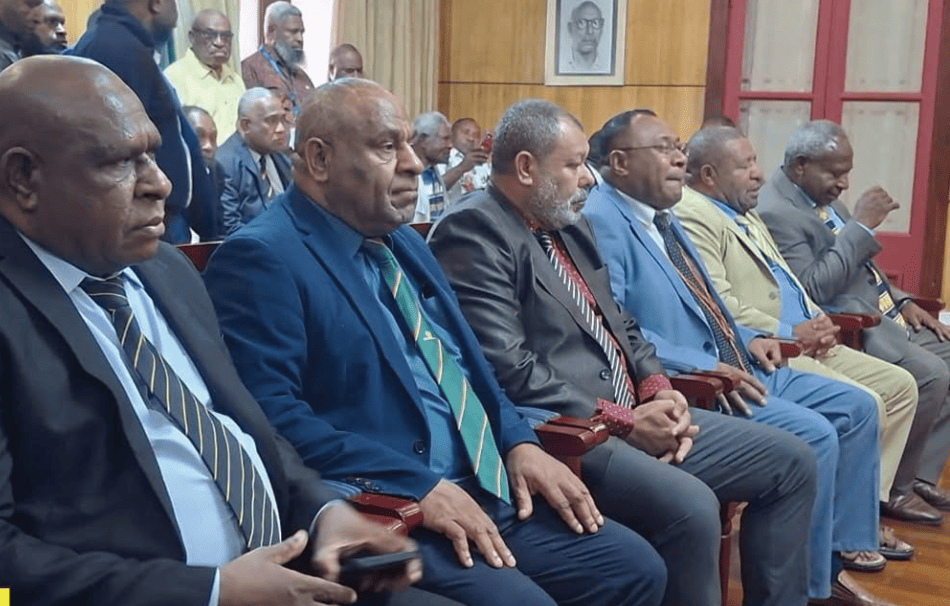
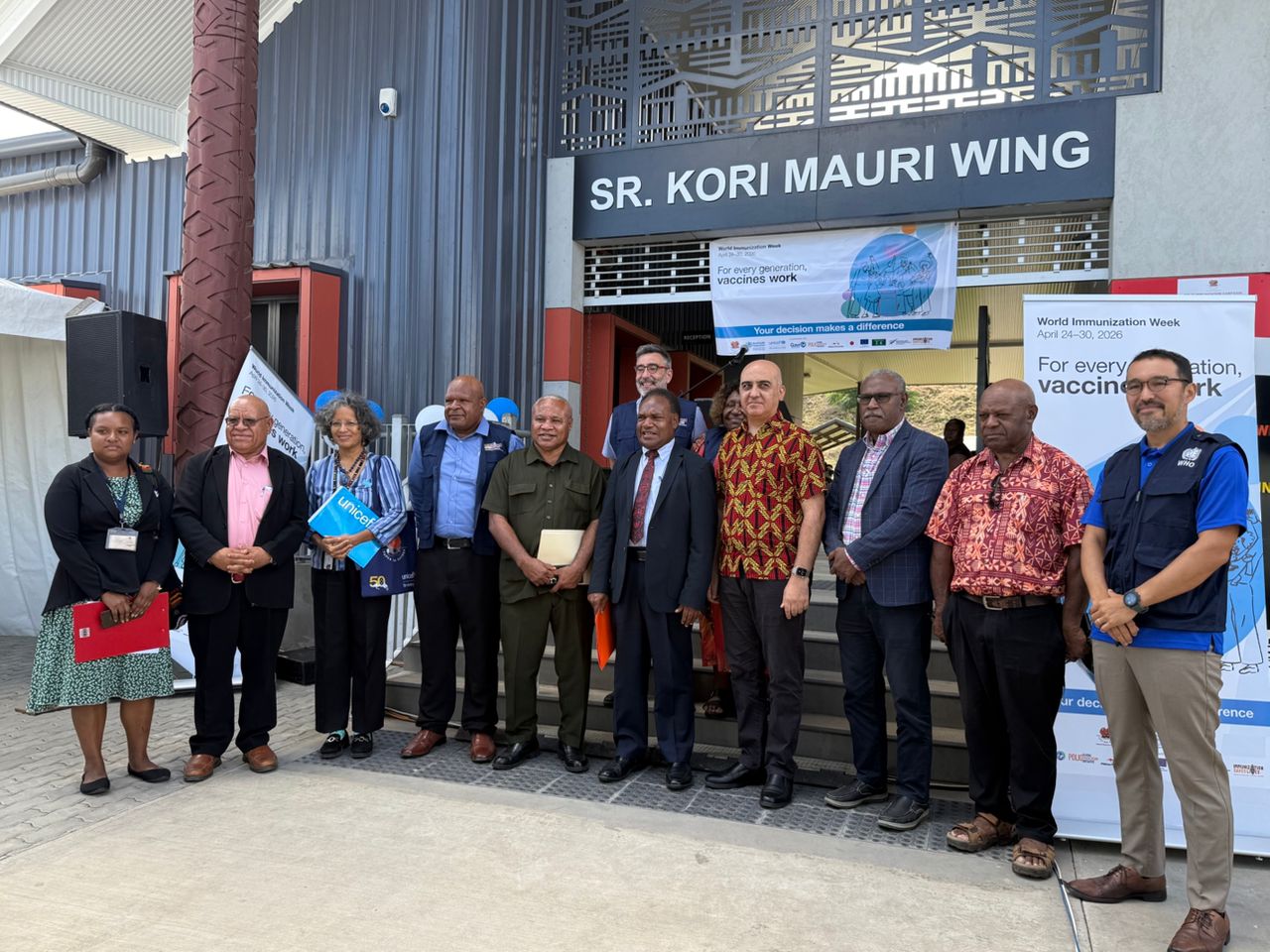
Representatives from Japan, Australia, and global health organizations joined national health officials at Metoreia Urban Health Centre in Port Moresby city to mark World Immunization Week and the rollout of the OPV2 Round 3 vaccination campaign.
A representative from the Embassy of Japan highlighted the country’s ongoing support for global health initiatives, describing vaccines as “one of humanity’s most effective tools to protect lives and strengthen communities.”
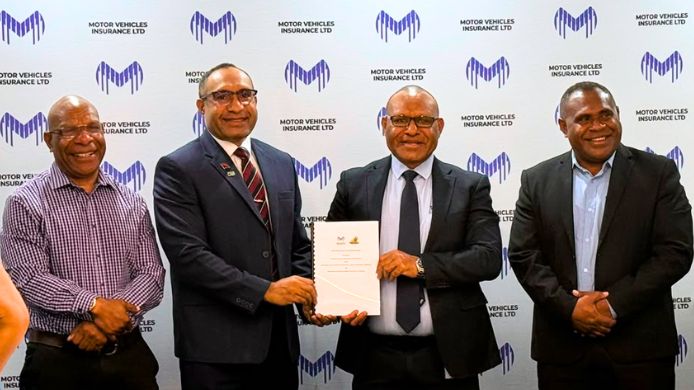
Japan recently signed a major agreement with the Government of Papua New Guinea and the World Health Organization to fund polio eradication efforts. The project, valued at 663 million Japanese Yen (approximately K18 million), will support outbreak response measures, expand surveillance, and strengthen laboratory capacity nationwide.
“The fight against polio is a shared global responsibility,” the representative said. “Every child must be reached, and every missed opportunity must be addressed.”
The Global Alliance for Vaccines and Immunization (Gavi), the Vaccine Alliance also commended PNG for its progress, noting that vaccination campaigns launched in 2025 reached more than 2.3 million children and achieved coverage of around 80 per cent.
However, Gavi representatives stressed the need for further improvement, particularly in routine immunization coverage, which remains below target in many provinces.
“We want more,” the representative said. “We need to reach missed children, strengthen outreach services, and ensure vaccines are accessible to every community.”
Australia, through its Department of Foreign Affairs and Trade, reaffirmed its longstanding partnership with Papua New Guinea. Country representative Madeline Moss acknowledged the efforts of frontline health workers, many of whom have travelled long distances to deliver vaccines in remote areas.
“It is your health workers who have walked for hours, climbed mountains, and crossed rivers to reach communities,” she said. “Because of these efforts, we have reason for cautious optimism that transmission has been interrupted.”
Australia has committed more than K20 million to support the response, particularly targeting hard-to-reach populations.
Deputy Secretary for Public Health, Ken Wai, emphasized that immunization remains the country’s strongest defence against preventable diseases, but acknowledged that coverage rates—currently between 40 and 50 per cent—are still too low.
“Our target is above 95 per cent, but we are not there yet,” he said. “We must go house to house to ensure every child is vaccinated.”
Meanwhile, UNICEF warned that gaps in routine immunization continue to leave children vulnerable, despite progress in halting the outbreak. Country Representative Dr. Veera Mendonca noted that while no new polio cases have been recorded since late 2025, environmental samples indicate the virus may still be circulating.
“As long as there is risk anywhere, all children remain at risk,” she said. “This is our opportunity not only to end polio, but to strengthen routine immunization so no child is missed.”
Health officials and partners say the third round of vaccinations will focus on high-risk provinces, aiming to close immunity gaps and ensure at least 95 per cent coverage.
The campaign is being delivered through a coordinated effort involving the government, international partners, and local communities, with a shared goal of achieving a polio-free Papua New Guinea.
“Together, we have the vaccines, the partnerships, and the experience,” Dr. Mendonca said. “What matters now is execution—reaching every child and building a stronger health system for the future.”