
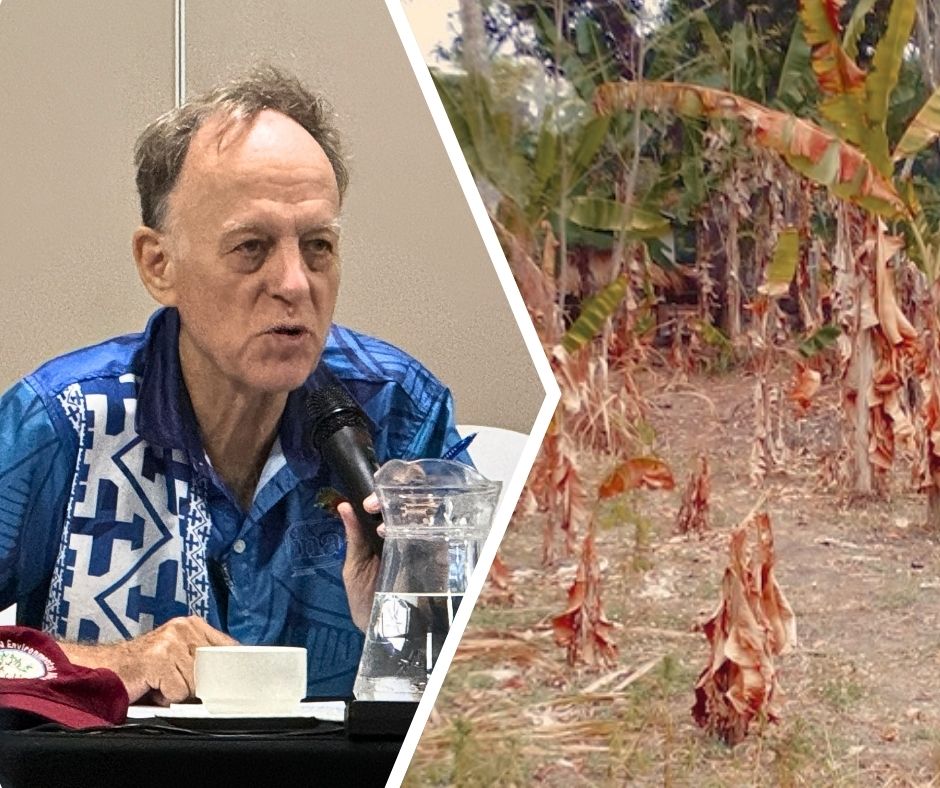
Institute of National Affairs Executive Director Paul Barker is urging authorities to strengthen preparations for a possible El Niño event, warning that prolonged dry conditions could threaten water supplies, agriculture, health services and electricity generation across the country.
Speaking to PNG Haus Bung, he stressed on the need for early planning. Barker said preparedness measures must be put in place now to reduce the impact of drought conditions on communities and the economy.
He said national agencies, provincial governments and key sectors need to work together to ensure response systems are ready before dry conditions intensify.
A major concern highlighted by Barker was water security, which he said remains critical for households, agriculture and hydroelectric power generation.
“Preparedness means having backup water supply systems and being ready to respond when things do happen,” Barker said.
He said authorities should priorities reserve water supplies, irrigation systems and contingency plans for urban centers heavily dependent on major water sources.
Barker warned that prolonged dry conditions could place additional pressure on health facilities and schools, particularly in rural areas where access to water is already limited.
He said lessons from previous drought events should guide planning efforts and strengthen the country’s ability to respond to future climate challenges.
In the energy sector, Barker called for greater investment in solar power to complement existing hydroelectric generation systems.
“With a long dry season, we can actually be geared with our electricity supply to using that sun more, because solar investments are a useful diversification for electrical generation,” he said.
Barker said diversification is an important risk-management strategy not only for energy generation but also for agriculture.
He encouraged farmers to grow a variety of crops, including drought-resistant food crops, to reduce the risk of food shortages during extended dry periods.
Despite the challenges associated with El Niño conditions, Barker noted that some sectors could benefit from prolonged dry weather.
He said coffee has historically performed well during dry periods, helping some growers maintain income when food crop production declined.
“Coffee was actually getting quite a good yield in some of the El Niño years, and those who had coffee income were able to help balance their overall income and purchase food,” he said.
Barker also warned of increased fire risks during prolonged dry conditions and urged communities to exercise caution when using open fires near forests, agricultural land and plantations.
He stressed that preparedness and prevention remain the most effective response to potential drought impacts.
“Preparedness and prevention are better than cure, but you have to be ready to respond when things do happen,” Barker said.
With forecasts indicating the possibility of an El Niño event later this year, Barker said now is the time for governments, communities and businesses to strengthen planning efforts and protect essential services, livelihoods and water supplies.