

POSTS BY AUTHOR

Aseneth WAIDE
 COLGATE NATIONAL TOOTH BRUSHING DAY SMILES INTO ITS 14TH YEAR
Colgate Palmolive (PNG) Ltd marked the 14th anniversary of Colgate National Tooth Brushing Day, an annual event aimed at promoting better oral health across Papua New Guinea.
Held in partnership with the National Department of Health - Oral Health Services, this year’s celebration took place today, Friday July 25th, at the Salvation Army Boroko Primary School in Port Moresby.
Students and staff came together to brush their teeth in unison, symbolizing a collective step toward a healthier future.
Now in its 14th year, National Tooth Brushing Day is part of the wider Bright Smiles, Bright Futures program, which has positively impacted more than 3 million children in PNG since its launch in 2010.
The initiative promotes vital oral hygiene habits, especially the importance of brushing twice a day for two minutes and replacing toothbrushes every three months, or after illness.
Colgate-Palmolive's school visits continue to be a vital part of this event, helping reinforce the message directly with students in a fun and engaging way.
In 2025, Colgate is proud to see over 262,000 individuals partaking in the nationwide brushing event across Port Moresby, Lae, Wewak, and Rabaul.
The public is also encouraged to participate by taking just two minutes out of their day to brush their teeth, collectively demonstrating the nation’s dedication to good oral health.
As the nation brushes together, Colgate reiterates its belief that everyone deserves a future to smile about.
Published on July 25, 2025
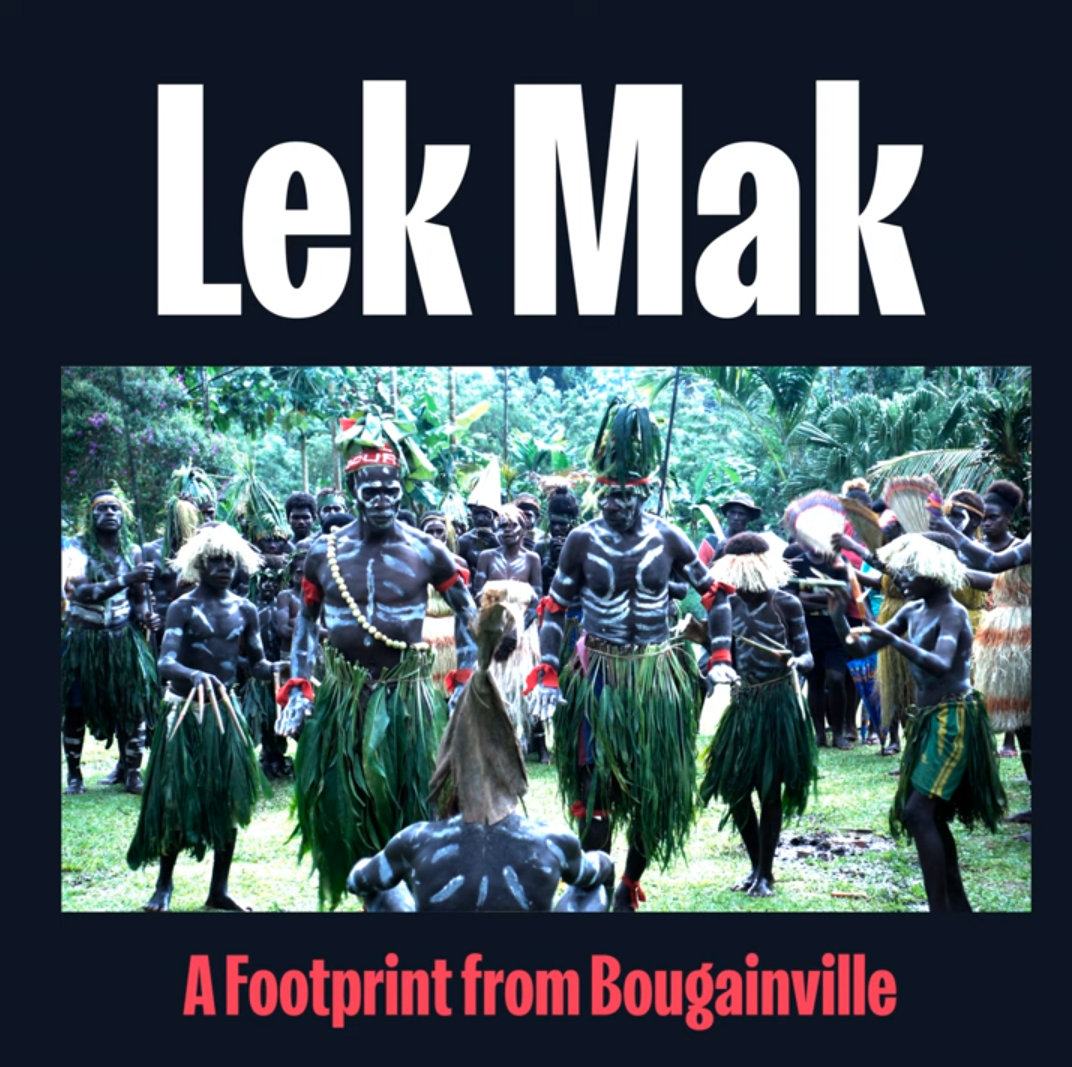 SIX THINGS TO KNOW ABOUT “LEK MAK”
Lek Mak, meaning "footprint" in Tok Pisin, is more than just an album. It’s a vibrant celebration of Bougainville’s unique cultural identity, told through music, stories, and powerful community partnerships.
Here’s what you need to know about this exciting project that was launched in Port Moresby.
1. It’s a Musical Footprint of Bougainville
The album Lek Mak showcases the voices, songs, and stories of Bougainvillean artists. It’s a dynamic mix grounded in the island’s place, culture, history, and language.
2. Backed by Deep Collaboration
This project was made possible through a strong partnership between the Autonomous Bougainville Government (ABG), the Australian Government, and Wantok Musik Foundation. The long-standing collaboration supports emerging artists and promotes cultural diplomacy across the Pacific.
3. Homegrown Talent, Global Stage
Bougainvillean musicians from Buka, Ara, and Yule Island came together with producers like Ben Hakalitz to create something powerful. The project unearthed hidden talent, many artists were young during the crisis and are now using music to tell their stories.
4. A Pathway for Young Artists
Lek Mak isn’t just an album; it’s a launching pad. The initiative is opening doors for Bougainvillean youth to share their work beyond the region and onto international stages. The annual Bougainville Voice X-Explosion, now endorsed by the ABG, is part of that growing platform.
5. Wantok Musik at the Heart
Wantok Musik and founder David Bridie have played a pivotal role. Long-time collaborators with Bougainvillean artists, their efforts are helping shape the future of Pacific music and cultural exchange.
6. It’s Just the Beginning
With more music releases lined up and continued investment from both governments, Lek Mak is just the first step in Bougainville’s wider cultural revival.
Lek Mak is a powerful example of what happens when culture, youth, and international partnerships come together. It’s not just about songs, it’s about identity, healing, and creating a stage for the next generation.
Published on July 24, 2025
 YOUTH EMPOWERED WITH LIFE-SAVING SKILLS
In a crucial step towards improving emergency preparedness in schools and communities, the National St John Ambulance PNG (NStJA) together with the Morobe Division of Education and the Sir Brian Bell Foundation has successfully rolled out first-aid training across seven schools in Lae, Morobe province.
This joint initiative, which has already reached around 280 students, is a vital effort in equipping young people with essential life-saving skills.
Schools that have partaken in the program include Busu Secondary, Immanuel Lutheran, Lae Secondary, Markham Road Junior High School, Bumayong Lutheran Secondary School, Malahang Technical Secondary, and Taraka Junior High School.
Additional schools such as Bugandi Secondary, Igam Junior High School, AOG Secondary, and AOG Christian Academy are set to follow suit.
Zoe Saulep, NStJA’s Manager for Community Education Programs, stressed the importance of being equipped in first aid.
She expressed delight seeing young students actively engaged in learning critical skills like bandaging, slings, CPR, snakebite management, and understanding emergency preparedness.
This hands-on approach ensures that these students are not only prepared to act in emergencies but also capable of keeping their families and communities safe.
Thanks to the support of the Sir Brian Bell Foundation, this initiative is making a great impact in areas where access to emergency services can often be difficult.
The foundation's backing has allowed the program to reach more students, providing them with the tools and confidence to take action in times of crisis.
The First Aid in Schools team plans to expand its reach, with plans to visit schools in Mt Hagen, ENB, Central, and Gulf before the close of the 2025 academic year.
The initiative continues to grow, offering more young people across the country the opportunity to learn and practice life-saving skills.
Published on July 24, 2025
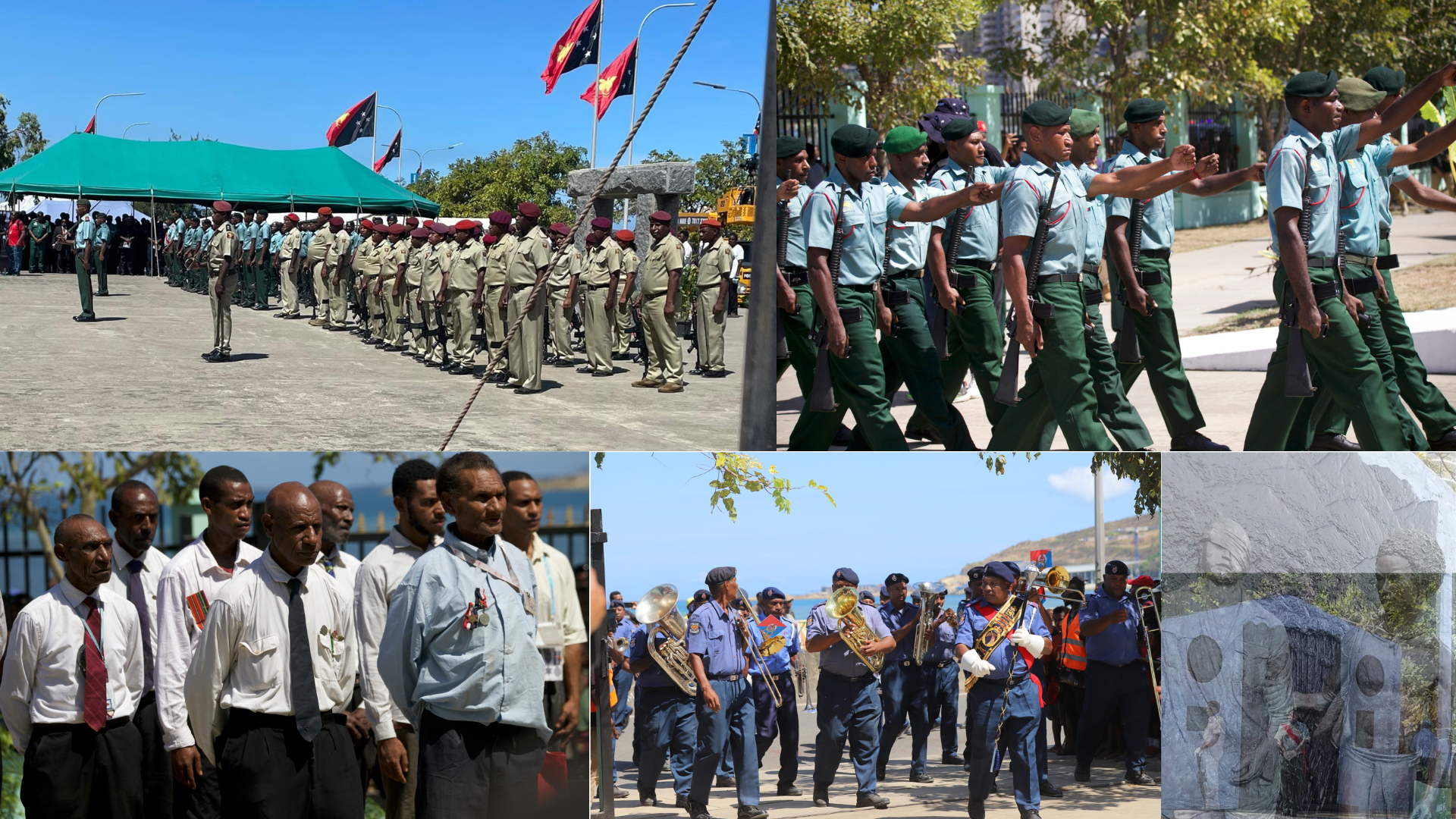 PNG HONORS WAR HEROES ON 44TH REMEMBRANCE DAY
Papua New Guinea came together in solemn remembrance as the nation marked the 44th Remembrance Day, honouring the courage and sacrifices of its unsung heroes.
Speaking at the official ceremony at Ela Beach, Port Moresby, Acting Governor-General Job Pomat gave a heartfelt tribute to the wartime generations, including the villagers who served as carriers, guides, medics, and protectors of the wounded.
“Today, we pay our respects to those whose lives were affected by the war.”
“The ordinary people from our villages who took part in battle, who carried the wounded, who carried supplies, and those who acted as lookouts or guides.”
“The contributions made by our people was valuable in supporting those on the front lines, who better know the terrain and the best routes than our people, who were physically able to traverse the mountains, rivers, and jungles of this land while carrying a heavy load.”
He reflected on how many of these heroes died without recognition, their names and stories lost to history, but their impact enduring.
He also called on today’s leaders and citizens to restore the values the war heroes fought for, that is discipline, unity, and peace.
“Ill-discipline and disorder have become serious problems facing us today. This is not the kind of society and community our heroes fought for.”
“They fought for a society that is disciplined and well-ordered, where families are protected, leaders are respected, women and girls are cared for, youths are well-behaved, and children are groomed to become better citizens.”
Pomat concluded his speech with a challenge to make PNG greater.
“As citizens, we have a responsibility to take a moment to remember. By celebrating the memory of the people that fought for us, we can build a stronger and more united country.”
“A country that is loyal to the idea of freedom – a country that is courageous when faced with hardship – and a country that is devoted to building lasting peace and friendship.”
Published on July 23, 2025
 CROWD TURNS UP TO HONOUR 44th REMEMBRANCE DAY CELEBS AT ELA BEACH
Today the country paused to honor the bravery and sacrifice of its servicemen and women, as the nation marks the 44th Remembrance Day with solemn ceremonies held across the country.
The day commemorates those who served—and gave their lives—during times of war, particularly in World War II, when PNG became a key battleground in the Pacific.
A modest crowd showed up today at Ela Beach for Remembrance Day.
The venue was dotted with police officers, military personnel, scouts, media officers and of course the general public all set to mark the historic occasion.
Some are taking the opportunity to live stream, giving social media users a chance to watch the event.
Notable attendees to be present at the event include NCD Governor Powes Parkop and Acting Governor General, H.E Job Pomat.
The disciplinary forces are marched at approximately 11:30am, prior to the arrival of Parade Host, Commodore Philip Polewara, Chief of Defence Force, as well as the NCD Governor and Acting Governor General.
The significance of the day resonates deeply in Papua New Guinea, where many fierce battles were fought on home soil.
Their sacrifice, leaders emphasized, paved the way for the nation's continued freedom and sovereignty.
Their legacy lives on in our freedom.
As the event unfolds, Papua New Guineans are urged to bear in the mind the brave sacrifices of fallen soldiers.
Lest we forget.
Published on July 23, 2025
 INTERNS GRATEFUL FOR VALUABLE EXPERIENCE AT NCC
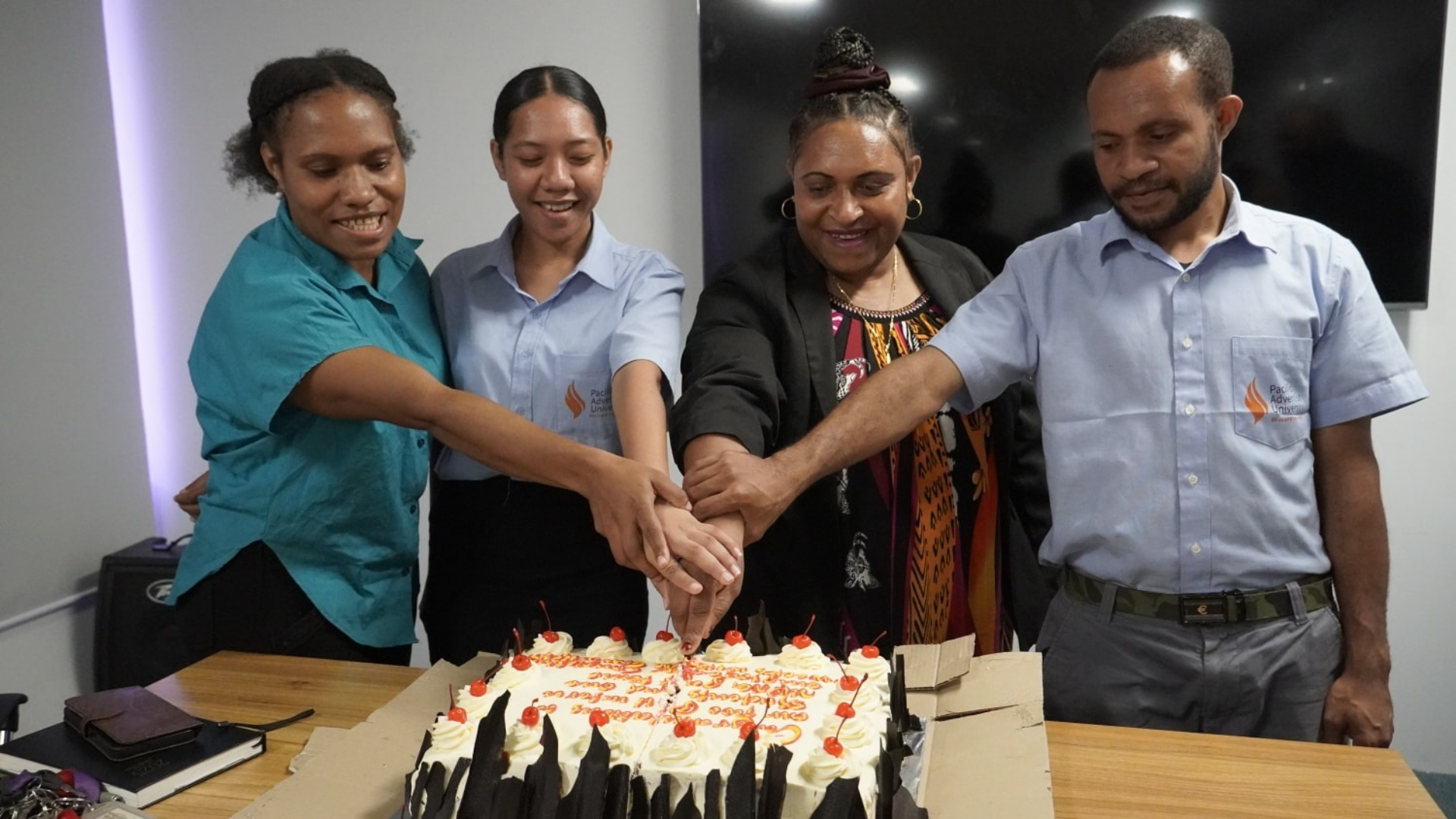
In a small but heartfelt ceremony recently, the National Cultural Commission farewelled three student interns who had completed a six-week attachment with the Commission.
The event was witnessed by senior officers, staff members, and a guest lecturer from Pacific Adventist University (PAU).
The interns included Daphane Mou and Movi’e Issac from PAU and Grace Mendai from the University of Papua New Guinea (UPNG).
While Mou and Issac completed their industrial practicum as part of their university course requirements, Mendai worked as a casual staff member during her semester break.
Speaking on behalf of the Executive Director, Mr. Steven Enomb Kilanda, NCC Corporate Services Manageress Jenny Jeffery congratulated the interns on completing their program and acknowledged their contributions.
“We are extremely proud of these groups of interns who have shown distinctive character, and they have been committed to their assigned tasks and deliver in a timely manner.”
“On behalf of the Executive Director, the NCC Board, Management, and Staff, I wish you all the best in your future endeavours.”
She also welcomed Ms. Larvarah Haihavu, a lecturer from PAU, who attended to witness the final-year project presentations.
Speaking on behalf of the interns, Mou expressed heartfelt gratitude to the NCC for the opportunity.
“We are also grateful to the Executive Director of the NCC for his vision and leadership.”
“Your advocacy for opportunities that allow university students to gain practical experience through the traineeship program is commendable.”
She added that the internship fostered personal and professional growth and thanked the Corporate Division for their mentorship.
The event concluded with the presentation of certificates of attainment, followed by a cake-cutting ceremony and a photo session, marking a memorable end to the interns' journey with the NCC.
Published on July 22, 2025
 FILIPINO ASSOCIATION, EMBASSY AND NCD DELIVER MEDICAL OUTREACH
A major health outreach program will happen on Sunday, 27 July 2025, at Sir John Guise Stadium in Port Moresby, offering free medical services city residents, thanks to a partnership between the Filipino Association of Papua New Guinea (FAPNG), the Philippine Embassy, and the National Capital District Commission (NCDC).
The initiative was formally announced during a press conference attended by key leaders including His Excellency Edgar Tomas Auxilian, Ambassador of the Philippines to PNG; NCD Governor Powes Parkop, FAPNG President Jonathan Plasabas, FAPNG Vice President, Arne Alfajardo and Consul Jomar T. Sadie.
Ambassador Edgar Tom Auxilian expressed delight in marking the country’s 50th
Independence with this medical outreach.
“We are privileged to celebrate this golden anniversary with you by taking part in meaningful activities. Among them is this medical mission, which we hope will provide
real and tangible support to the people.”
The outreach will provide free consultations, minor treatments, HIV awareness, health education, and wellness services, particularly for individuals and families with limited
access to healthcare.
Governor Parkop welcomed the partnership, calling it a timely and much-needed support as the city grapples with significant health challenges.
“The mission aims to serve around 400–500 city residents, and we see this as a very welcome and generous gesture from our Filipino community.”
“Health remains a top priority for the city as we have major challenges, including tuberculosis.”
FAPNG President Jonathan Plasabas said the group is building on a successful outreach held last year, where nearly 500 people were treated.
“Sadly, we cannot cater around 600 that come to the locations. Hence, we are calling for some volunteers, local doctors that might join us this coming July 27, so we can serve more.”
Governor Parkop also confirmed that the NCDC is investing in long-term health infrastructure, including a PGK5 million TB ward at Six Mile, PGK10 million for the Port Moresby General Hospital, and plans for a Level 4 hospital at Nine Mile.
The city is also in talks with the Bank of China for a PGK 100 million grant to upgrade clinics across the capital.
Organizers are encouraging the public to attend the outreach on Sunday and are also calling for support through medical supplies, logistics, and volunteer manpower.
Published on July 22, 2025
 HOW TO TRAIN YOUR DRAGON (2025) – FILM REVIEW
Director: Dean DeBlois
Cast: Mason Thames, Nico Parker, Gerard Butler, Nick Frost
Rating: PG | Genre(s): Action, Adventure, Fantasy | Run Time: 2h 5min
AN UNDERWHELMING OPENING SCENE BUT COMPENSATES WITH EPIC FIGHTS
“Perfectly captures the animated versions’ light heartedness and adventurous spirit – with a touch of darker battles and complexity.”
How to Train Your Dragon (live action) follows a young Viking, Hiccup (Mason Thames), and his quest to fit in with his larger Viking community, which leads to an unlikely friendship and alliance.
Mason Thames delivers a solid portrayal as Hiccup. His awkwardness and flat toned, sarcastic delivery of his lines, sells the image of live action Hiccup to audiences. Thames has an uncanny ability to showcase a range of emotions while maintaining his inept attitude as the black sheep Viking.
The characters Astrid and Snoutlout are given more depth, something the animated version does not deliver. Astrid is given personal ambitions to become a future chief fueled by her desire to have a better life after being raised under difficult circumstances. She is also given parents- a brilliant addition in the live action. Snoutlout’s attitude is portrayed as insecurity masked as arrogance due to the lack of acknowledgement from his father.
The film also addresses issues of nepotism and privilege. This is demonstrated several times throughout the film but especially when Hiccup isn’t immediately outcasted from the village after causing destruction because he is the chief’s son. Another instance is when he is put into dragon training, in spite of the obvious fact that he cannot physically confront a dragon. Hiccup is given these opportunities because he is the chief’s son, however, if it were a regular individual, the outcome would have been different.
Action scenes in this film take a much darker turn particularly toward the end. While the animation also contained epic fights, live action How to Train Your Dragon, pulls viewers directly into the ugliness of a battle with intense action scenes that show characters’ lives hanging by a thread.
One of the biggest shortfalls of the film is the opening scene – a crucial element which has the potential to reel in or repel an audience. Pacing felt sluggish and lacked the thrill compared to the animated version. Part of this is due to the music score not being utilized appropriately. Hiccup’s narration diminished the scenes’ chaotic atmosphere, which can leave viewers highly dissatisfied.
Visually, the film is stunning – really bringing the fictional world of Berk to life. Cutting edge CGI, practical effects and mechanical rigs were utilized to the fullest allowing actors to react and engage authentically in this immersive and emotionally charged world.
The underlying message of authenticity being your greatest asset is an important message for all regardless of age.
Final Verdict:
In spite of its shortfalls, How To Train your Dragon, is a visual masterpiece that respects its animated predecessor while adding more depth and darker tones where appropriate.
Rating: ★★★★½ (9/10)
Best suited for: Fans of the How to Train Your Dragon franchise.
Published on July 21, 2025
 PACIFIC RE CELEBRATES GROWTH, INCREASES REGIONAL REACH
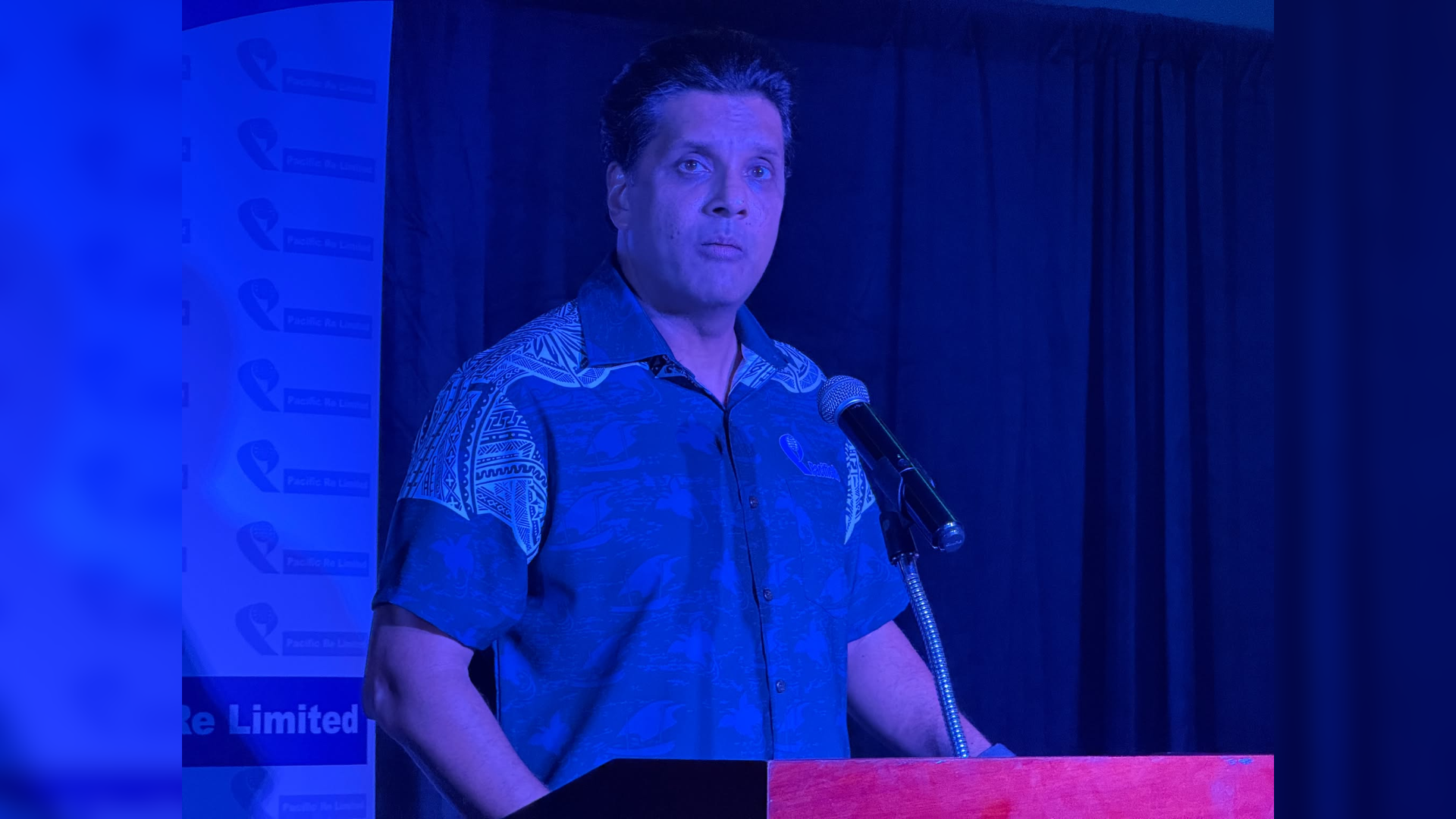
Pacific Re (PacRe), the only Pacific-owned reinsurance company, celebrated a strong year of growth at its second annual Client and Business Partner Cocktail Event.
CEO Lolesh Sharma shared good news, announcing that PacRe’s income grew from K11 million in 2022 to K34 million in 2024.
That’s a 52% increase in just one year, and the company is now aiming to reach K40 million in 2025.
“PacRe now handles 25% of PNG’s reinsurance market, which is worth around K120 million.”
“We’re proud to help build local skills, pay claims quickly, sometimes within 24 hours, and support clients from PNG all the way to Tuvalu.”
The company is also leading in microparametric insurance, a type of insurance that assists after natural disasters.
PacRe is working with Fiji, Samoa, PNG, and now the Solomon Islands, along with big global partners and weather experts.
Sharma also spoke about training 35 local professionals in reinsurance basics earlier this year.
This is part of PacRe’s goal to grow the Pacific’s insurance industry by teaching and upskilling local talent.
MVIL Chairman Joe Kramer thanked outgoing MVIL CEO Michael Makap, for helping turn around PacRe and its sister company, Pacific MMI.
He said Makap’s leadership was “instrumental” in saving both companies and helping them grow.
Makap also thanked everyone in the industry.
“This success belongs to all of us—brokers, regulators, global partners, and our team.”
With more insurance capacity, strong finances, and growing partnerships across the region, PacRe is set to keep playing a big role in protecting people and businesses across the Pacific.
Published on July 18, 2025
 SOUTHERN REGION AFL SCHOOLS GRAND FINAL SET FOR TOMORROW
The 2025 Southern Region School AFL Grand Finals will take place this Saturday, 19 July, at Murray Barracks AFL Oval.
The games are part of AFL PNG’s Smart Start Niukick program and will feature Under-13 and Under-15 boys and girls teams.
The schedule is as follows:
9:30 AM – U13 Girls: Gerehu Megpies Junior vs MW Gordons Kokofa Junior
10:30 AM – U13 Boys: Bavaroko Primary School vs MW Gordons Kokofa Junior
11:30 AM – U15 Girls: MW Gordons Kokofa Junior vs Gerehu Megpies Junior
12:30 PM – U15 Boys: MW Gordons Kokofa Junior vs Ted Diro Primary School
The competition promotes youth development and is supported by Paradise Foods Limited and AFL PNG Development.
Published on July 18, 2025
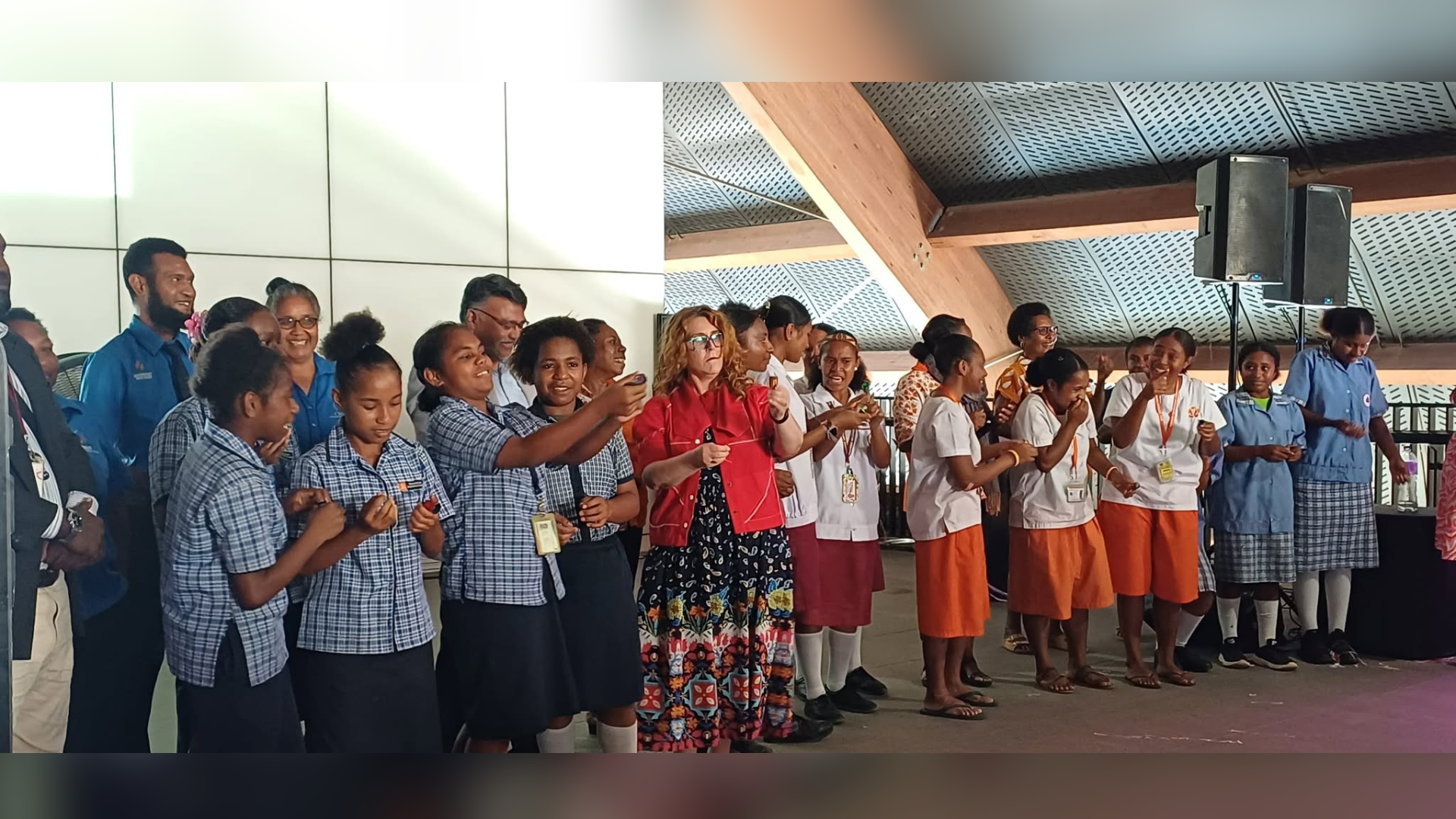 OKY PNG LAUNCHES TOLL- FREE HOTLINE
A new toll-free hotline, aimed at equipping girls across Papua New Guinea with vital health information, was officially launched today (Friday 18th, 2025) in Port Moresby city.
Known as the Oky Toky IVR Service, the initiative is a collaboration between Save the Children, UNICEF, and the Government of Papua New Guinea, with funding from the Australian Government through its Indo-Pacific Sexual and Reproductive Health Rights COVID-19 Surge Response Program.
By simply dialing ‘1565’ on any phone, girls can now access accurate, youth-friendly health information in Tok Pisin—making it accessible to those without smartphones or internet connectivity.
The Interactive Voice Response (IVR) platform delivers guidance through short stories and interactive quizzes on important topics such as menstrual health and hygiene, puberty, child marriage prevention, and referral pathways, all tailored to the PNG context.
This service builds on the success of the Oky PNG Period Tracker app, launched in 2024, and represents a major step toward inclusive access to reproductive health education for adolescent girls nationwide. The project was made possible through technical support from Digicel and the National Information & Communications Technology Authority (NICTA).
Lisa K. Piper, Country Director of Save the Children explained the impacts of the Oky app.
“We’ve seen how the Oky app empowered girls to better understand their health and make informed choices."
“Now, with the launch of the 1565 IVR service in Tok Pisin, means that girls who do not access to technology like smartphones or internet can obtain crucial information anytime."
Developed using a "do no harm" approach to protect young users, the service was co-designed throughout 2024 with input from adolescent girls across PNG.
The goal was to ensure the final product truly meets their real-life needs and experiences.
In addition to the hotline and app, the Oky Toky radio show on Tribe FM has become a popular source of entertaining and educational content.
Currently in its second season, the show will air its final episode for the season later this month before taking a brief break.
With the ‘1565’ hotline now live, a national awareness campaign will roll out in the coming weeks through schools, youth networks, and media, ensuring every girl knows that essential health information is now just four digits away.
This multi-platform Oky PNG initiative signals a bold and inclusive future for girls’ health education in Papua New Guinea.
Published on July 18, 2025
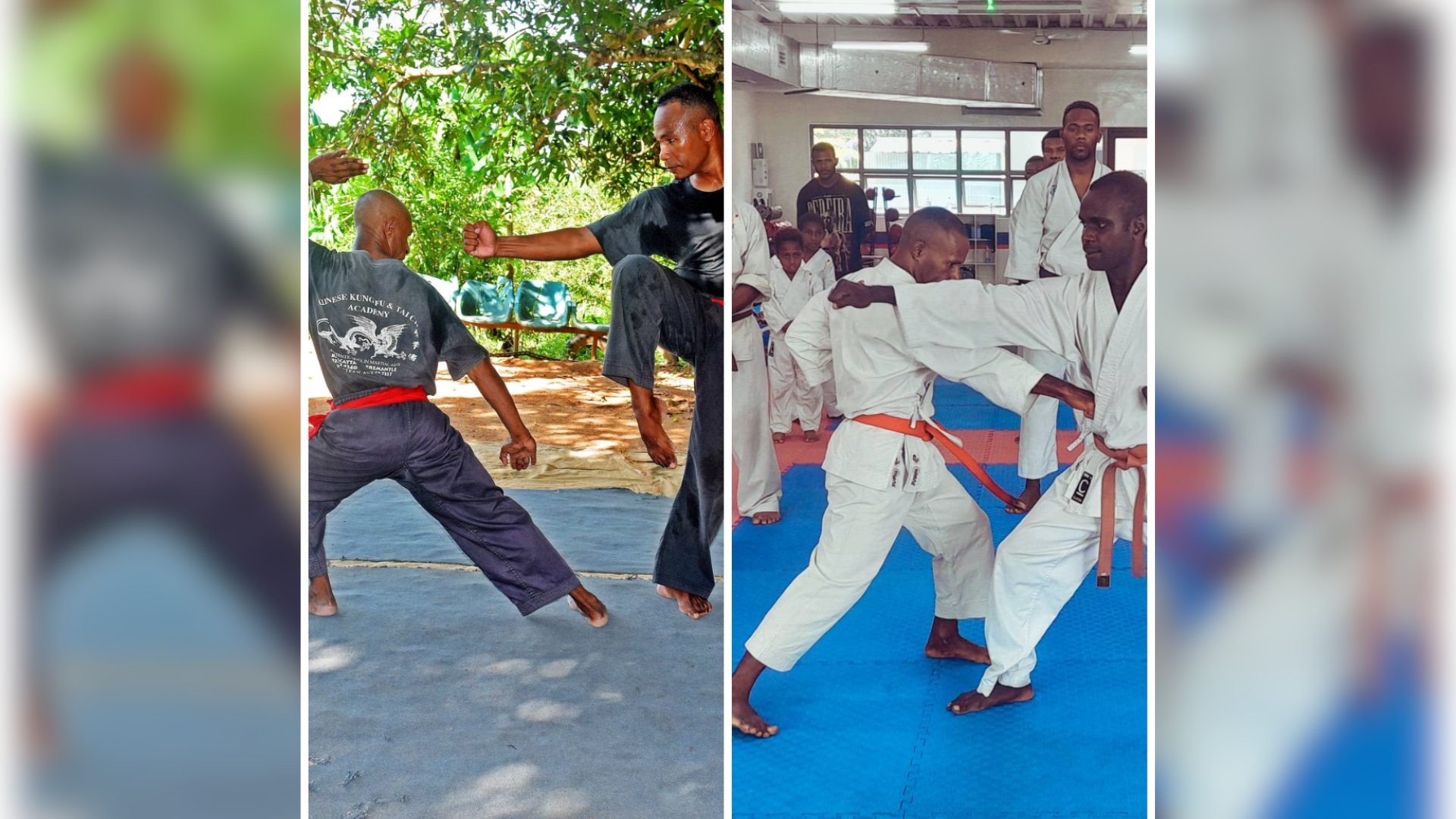 KUNG FU VS. KARATE: UNDERSTANDING THE KEY DIFFERENCES
Martial arts continue to grow in popularity around the world, but not all styles are the same.
Two of the most well-known disciplines are Kung Fu and Karate, each with its own history, techniques, and cultural roots.
While they may look similar to the untrained eye, they differ in philosophy, movement, and purpose.
Here’s a breakdown of the key differences between the two according to Sifu Andrew Molen, a practitioner of both disciplines:
Origin and Culture
Karate comes from Japan and is heavily influenced by the ancient warrior code of Bushido, the way of the Samurai.
Kung Fu, on the other hand, originated in China, and is rooted in Taoism, Confucianism, and Buddhism. It was developed not just as a combat system, but also as a spiritual and physical discipline.
Style and Movement
Karate features linear, powerful movements, with strong emphasis on strikes—punches, kicks, elbow and knee attacks—plus throwing and grappling techniques.
Kung Fu is more fluid and circular, often mimicking animal movements. It incorporates explosive power, acrobatic manoeuvres, and techniques designed to confuse or misdirect an opponent.
Philosophy
Karate focuses on self-discipline, respect, and mental training, developed under the influence of Bushido (Way of the Warrior). It is about character development as much as physical ability.
Kung Fu emphasizes balance, harmony, and self-awareness, inspired by Chinese monks who combined meditation with movement to stay alert and healthy. The term "Kung Fu" means "ultimate skill"—and it applies to any craft, from martial arts to painting or carpentry, achieved through dedicated practice.
Grading and Progression
Karate adopted the belt ranking system from Judo. Students' progress through coloured belts, with black belts indicating higher levels of mastery.
Kung Fu does not have a universal grading system, though many schools or clubs have their own ways of evaluating progress through forms, sparring, and demonstrations.
Titles and School Structure
In Karate, the head instructor is called Sensei (teacher), and senior students are known as Senpai (senior). The structure is similar to a military hierarchy.
In Kung Fu, the instructor is referred to as Sifu, which means “father” or “master.” The school is often run like a family, with a strong emphasis on lineage and tradition.
Different Forms and Modern Styles
There are different types of both arts:
In Karate:
Traditional Karate – Focuses on survival, practical self-defense, and functional techniques.
Budo Karate – Emphasizes self-discipline, stances, breathing, and personal growth.
Sport Karate – Centers on competition, guided by rules and scoring systems.
In Kung Fu:
Traditional styles focus on real-world application, while Modern Wushu emphasizes performance, fitness, and sport. “Wushu” literally means "martial art", and the term is often used interchangeably with Kung Fu in China.
Karate and Kung Fu in PNG
In Papua New Guinea, martial arts have continued to expand.
Karate is governed by the PNG Karate-Do Federation, which oversees various styles, including Shotokan and others.
Kung Fu is represented by the Kung Fu Wushu Association of PNG, promoting both the traditional and modern sport aspects of Chinese martial arts.
Both organizations work to promote discipline, physical fitness, cultural understanding, and youth development through martial arts training across the country.
Whether you’re drawn to the precise strikes of Karate or the flowing movements of Kung Fu, both martial arts offer valuable lessons beyond just self-defense.
They teach respect, discipline, mental focus, and perseverance, values that are as important in life as they are in training.
Published on July 18, 2025