

POSTS BY AUTHOR

PNG Haus Bung
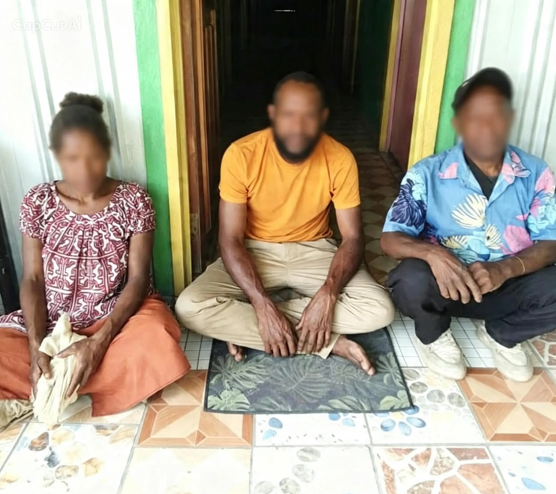 TRIBAL FOUNDATION SUPPORTS CHILDREN AMONG SARV VICTIMS
A total of 23 children were among 58 victims displaced by sorcery accusation-related violence (SARV) who have received food, accommodation and logistical support from Tribal Foundation, so to attend court hearings in Simbu and Port Moresby since June.PNG Tribal Foundation continues to work tirelessly to support families affected by Sorcery Accusation Related Violence (SARV). These are families who are displaced from their homes and land. They have been provided with food supplies, accommodation, transport, and other logistical support to travel from their villages to attend court hearings.GT Bustin, President of Tribal Foundation said two SARV cases from Gumine and Chuave districts, which occurred in July 2023, are still before the court in Kundiawa. The eyewitnesses and victims were assisted with logistical support, accommodation and food while staying in Kundiawa attending their case with police and court officials.Police were also assisted with fuel to transport eyewitnesses from their locations to Kundiawa.In Port Moresby, two SARV cases involving displaced families living in undisclosed locations included 27 victims, among them are thirteen children. In another case, a displaced family of nine, including six children, the youngest is nine months old with both parents received food supplies and rental bills paid.Mr. Bustin said the organisation had paid airfares for three eyewitnesses, and four children who will travel this week on either MAF or Niugini Aviation flights to Kundiawa to assist police with investigations on recent SARV incident in Wenaiyo village, Salt Nomane District.“We have a CID officer who has worked closely on the Karimui case, ensuring all evidence is collected and properly documented for the 15 suspects currently in custody to face the law,” he said.“We are currently monitoring and looking after four injured victims at Kundiawa General Hospital, two guardians, a widow, and another seven people who are travelling from Karimui to Kundiawa to assist police with the investigations.”He said police had also sought assistance to cover stationery costs, including printing, photocopying and binding court documents for the case, and we are also looking at supporting them.“We have given police our full support over the years, and we appreciate the important work they do in helping innocent victims seek justice,” he said.
Published on August 5, 2026
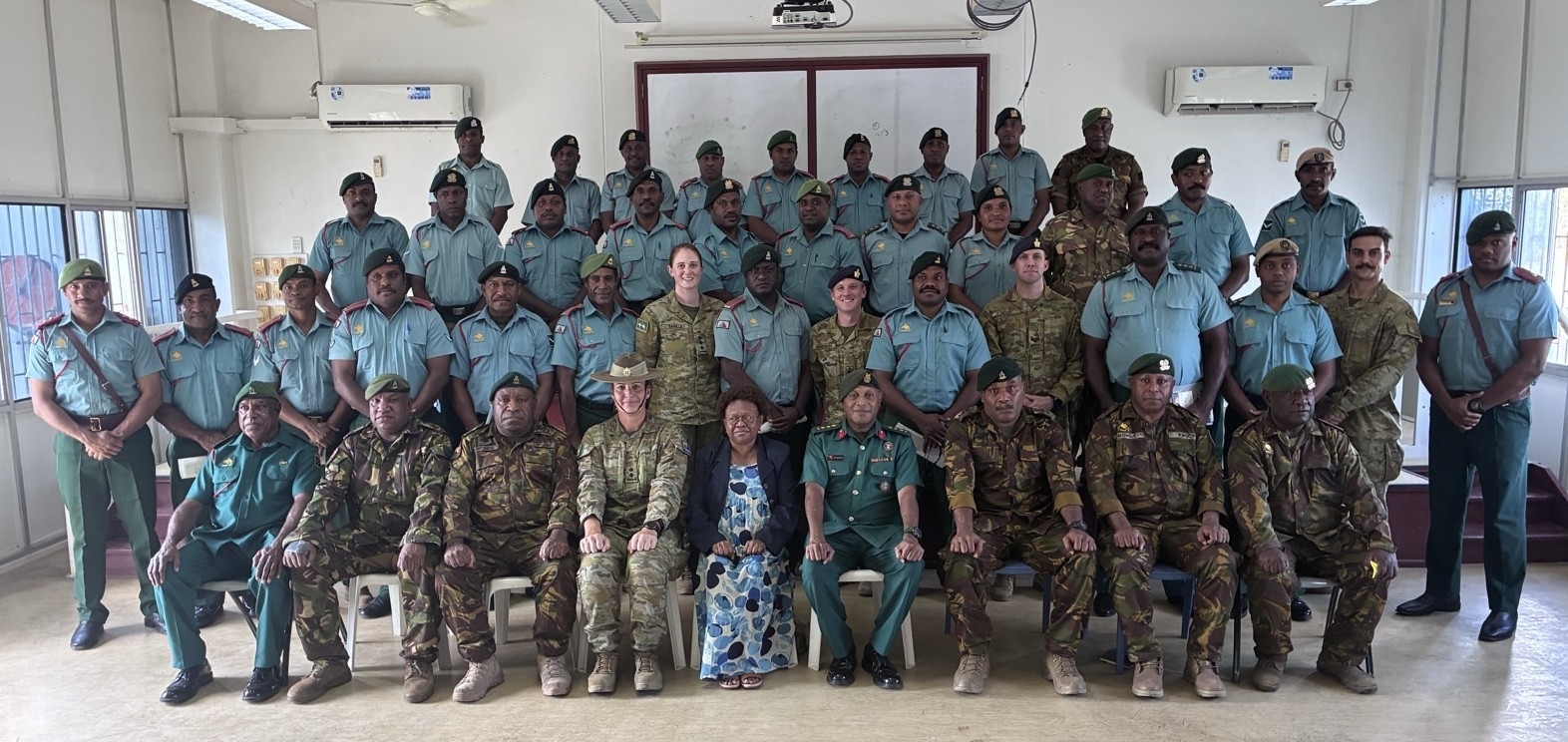 PNGDF BOOSTS INTELLIGENCE CAPABILITY
The Papua New Guinea Defence Force (PNGDF) intelligence capability has just been boosted with the recent graduation of a platoon of intelligence operators.The PNGDF ability to analyse and respond to the strategic environment has been strengthened following the graduation of 30 intelligence operators from the Intelligence Operators Course last month.Held over three weeks under the Defence Cooperation Program (DCP), the course taught participants how to collect information, analyse it, and report their findings. Through classroom learning and practical exercises, graduates learned how to apply core intelligence skills in realistic situations. The training gives participants the knowledge and confidence to deliver timely, accurate and relevant intelligence support to PNGDF commanders and teams.The course graduation ceremony was attended by the Deputy Secretary of the Department of Defence, Ms Doreen Joel, who presented awards to the students who achieved the highest standards during the training.PNGDF Second Lieutenant Mark Tommy received the Officer's Award, while Lance Corporal Simon Bonny was awarded the Soldier's Award in recognition of their outstanding performance and commitment throughout the course.PNGDF Chief of Defence Intelligence, Colonel John Manuai, congratulated the graduates on their achievement and highlighted the importance of intelligence capability to the force's future readiness.“The graduates' commitment to intellectual curiosity and critical thinking has set a strong foundation for their development as trusted advisors to their commanders and teams,” Colonel Manuai said.“The resilience, dedication and professionalism demonstrated throughout the course reflect the high standards expected of intelligence operators and will contribute to strengthening the PNGDF's operational capability.”Ms. Joel said the course reflected the enduring value of defence cooperation between Papua New Guinea (PNG) and Australia.“The partnership between the PNGDF and Australia continues to strengthen as friendships and professionalism grow through courses like this one,” Ms Joel said.Australian Defence Advisor, Colonel Nicholas Trotter, said the participants demonstrated exceptional commitment throughout the training.“A high level of enthusiasm was evident among all the students from day one of the course. Their dedication every day to this robust course is testament to their keen desire to become intelligence professionals,” Colonel Trotter said.“This hands-on learning shows how we are strengthening the PNG-Australia alliance and deepening our partnership at a people-to-people level.”Australia continues to work side by side with PNG to support PNGDF personnel through training, skills exchange and capability-building activities. These opportunities exemplify the defence alliance between PNG and Australia, improving the capability and interoperability of the two forces.
Published on August 5, 2026
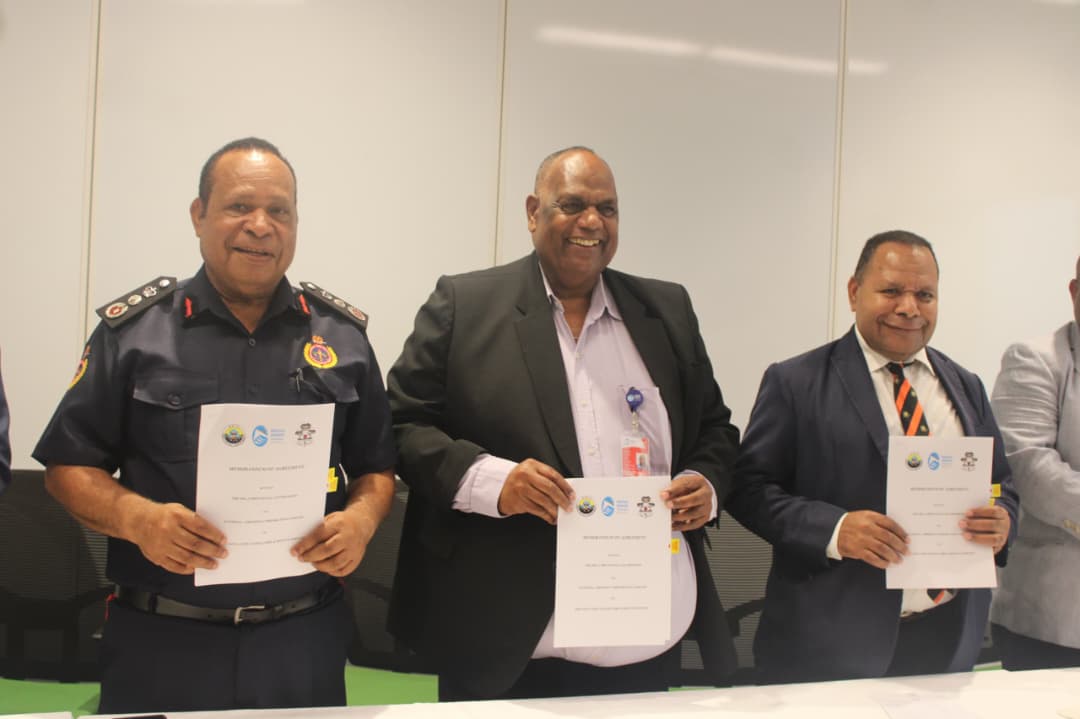 TARI AIRPORT TO GET DEDICATED FIRE STATION UNDER NEW PARTNERSHIP
Tari Airport will receive its first dedicated airport fire station following the signing of a Memorandum of Agreement (MOA) between the National Airports Corporation (NAC), the Hela Provincial Government and the PNG Fire & Rescue Service.The agreement aims to strengthen aviation safety and emergency response at Tari Airport while also improving fire protection for Tari Town and surrounding communities.NAC Board Chairman Jacob Anga said airport operations and fire services must work hand in hand, particularly as Hela continues to grow."Airport and Fire Service go hand in hand. With Hela's rapid economic growth, this facility is essential to mitigate risks and safeguard lives and infrastructure."Hela Governor Philip Undialu welcomed the partnership, saying the province has major public investments that require protection."We have hundreds of millions of kina worth of infrastructure assets that require protection, and a Fire Station is a crucial priority. The Hela Provincial Government stands ready to support this partnership in every way possible."PNG Fire & Rescue Service Chief Fire Officer Bill Roo said one of two new fire trucks expected to arrive in September will be deployed to Tari."We have been proactively preparing for a Fire Station there, and this agreement is timely. We've already appointed a Fire Commander for Tari and will recruit fire officers. PNG Fire & Rescue Service will play its part in keeping both the airport and Tari Town fire safe."Under the agreement, NAC will assist in constructing and operating the airport fire station, provide land within the airport boundary, and support operations with a vehicle and a 15-seater bus.The three partners will also work together on emergency planning, training exercises and disaster response to ensure emergency teams are prepared to respond quickly to incidents affecting the airport and surrounding communities.Commissioned in 2023, Tari Airport forms part of NAC's nationwide airport redevelopment program aimed at improving aviation infrastructure and safety across Papua New Guinea.
Published on August 5, 2026
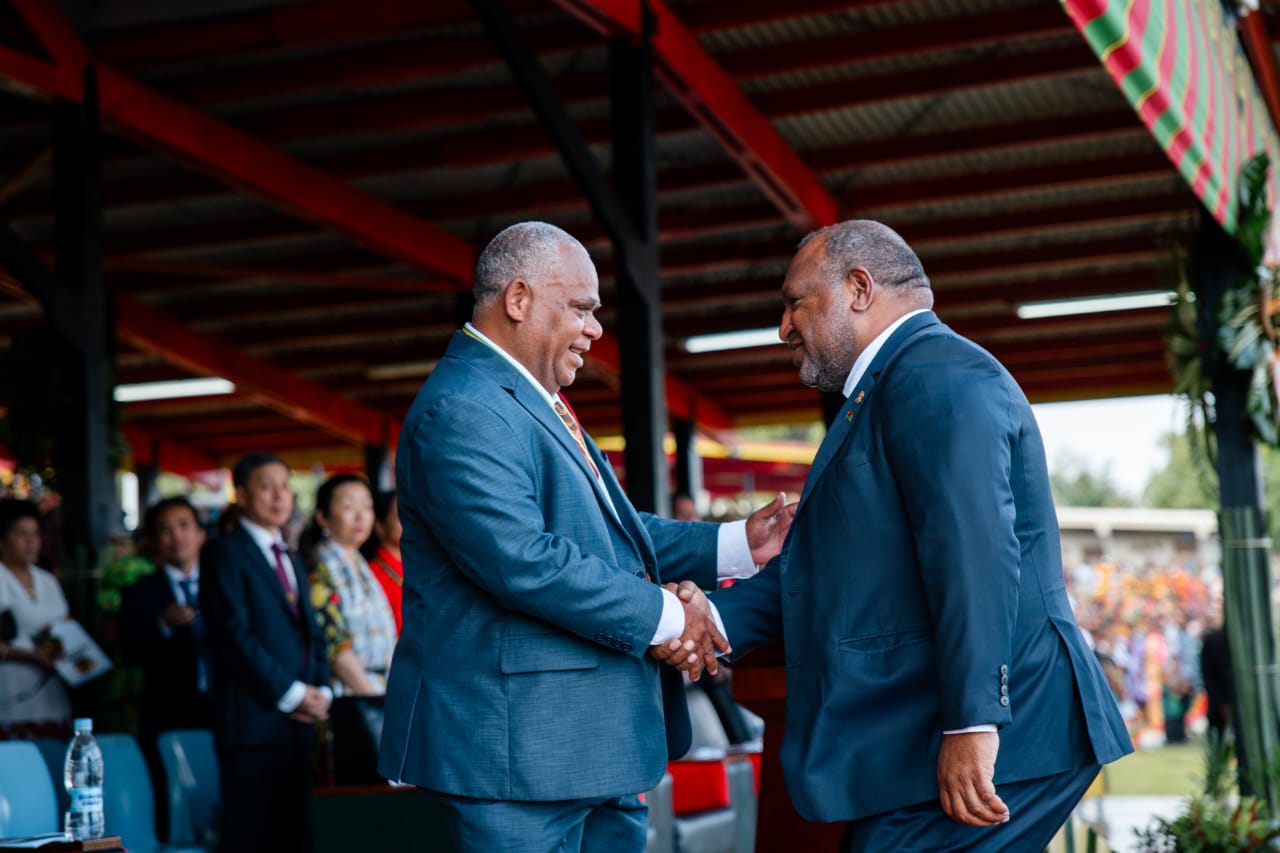 PNG TO EXPLORE INVESTMENT OPPORTUNITIES IN VANUATU
The prime minister is back in country after returning from Vanuatu where he was guest of honor at their 46th Independence Anniversary, and now, he wants to explore investment opportunities there.Prime Minister James Marape has announced that Papua New Guinea (PNG) would soon dispatch a business delegation comprising representatives of major Papua New Guinean institutions, including superannuation funds and the Mineral Resources Development Company (MRDC), to explore investment opportunities in Vanuatu.“We believe there is enormous potential for Papua New Guinean businesses to partner with Vanuatu. However, wherever our businesses operate, they must respect local landowners, local communities and the national government, just as we expect foreign investors in Papua New Guinea to respect our own model of local participation.”He said PNG had encouraged Vanuatu to pursue similar investment principles that ensure local communities share in the benefits of economic development. The prime minister also highlighted the potential for closer regional tourism cooperation, noting Vanuatu’s strategic location and attractive investment environment.“Vanuatu has one of the Pacific’s most attractive investment climates and enormous tourism potential.”This and Papua New Guinea’s expanding international air services from destinations such as Japan, China and Singapore, can complement regional tourism by connecting visitors throughout Melanesia, including Vanuatu, Solomon Islands and Papua New Guinea.“Likewise, visitors arriving through Fiji, Australia, New Zealand and the United States can be encouraged to explore more of our Melanesian region.”
Published on August 4, 2026
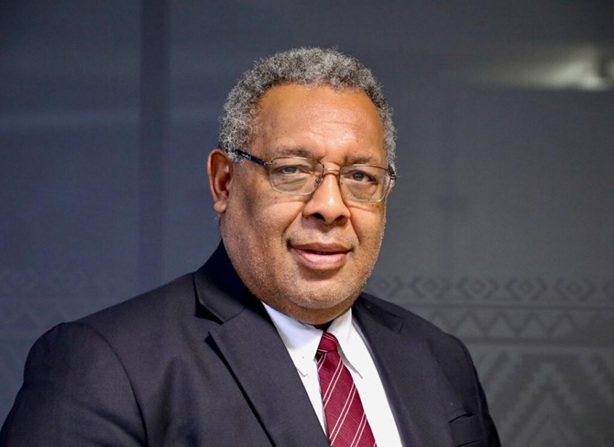 CHIEF SECRETARY CLARIFIES LEGAL POSITION ON ELECTORAL COMMISSIONER APPOINTMENT
The Chief Secretary to the Government, Ivan Pomaleu has clarified the legal process governing the appointment of Papua New Guinea's Electoral Commissioner, following public speculation over the possible appointment of a non-citizen to the role.Mr. Pomaleu said the Government remains committed to upholding the Constitution and the country's laws in all appointments to constitutional offices, stressing that such decisions are guided by the legal framework established by Parliament and independent legal advice, not political preference.He said the appointment process is governed by Section 126(7) of the Constitution and Part II of the Organic Law on National and Local-level Government Elections. Under the law, the Head of State appoints the Electoral Commissioner on the advice of the Electoral Commission Appointments Committee, a process designed to protect the independence of the office.Mr. Pomaleu also clarified that neither the Constitution nor the Organic Law requires the Electoral Commissioner to be a Papua New Guinea citizen.He said while the Organic Law outlines qualifications, disqualifications, restrictions and the term of office, it does not make citizenship a condition for appointment. He added that where Parliament intends citizenship to be a mandatory requirement for a public office, it has explicitly stated so in legislation, which is not the case for the Electoral Commissioner position.
Published on August 4, 2026
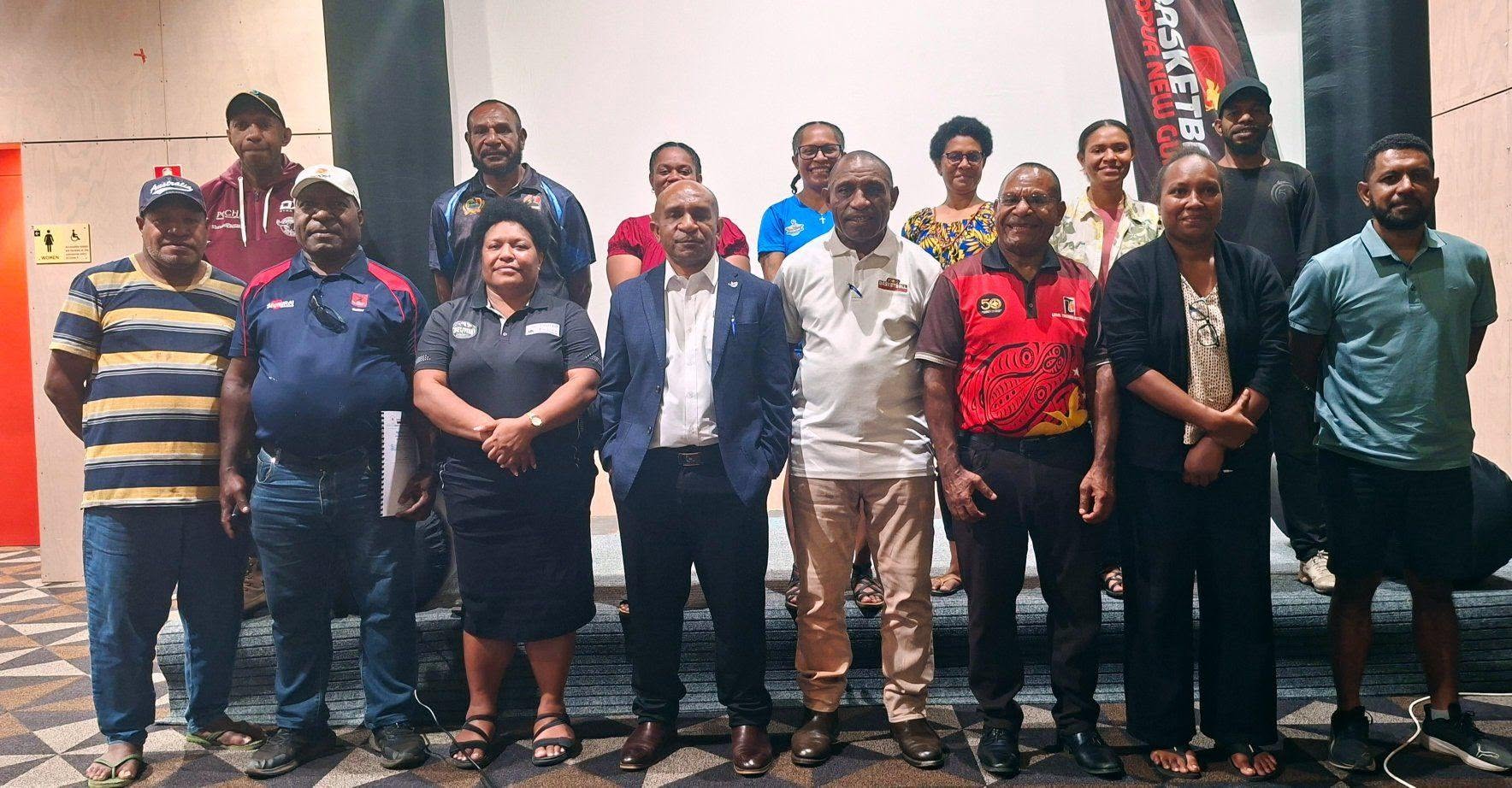 BFPNG ELECTS NEW BOARD AT 2026 ANNUAL GENERAL MEETING
The Basketball Federation of Papua New Guinea (BFPNG) has elected new board members during its 2026 Annual General Meeting (AGM) over the weekend, reaffirming its commitment to strengthening the sport across the country.The Annual General Meeting (AGM), held on Saturday at TAIC, saw Simon Dixie re-elected as Vice President, Kathy Araea elected as General Secretary, replacing Gosa Jack and Naomie Lopes elected as an Ordinary Board Member.BFPNG President David Peter said the federation has made significant progress in rebuilding stakeholder confidence through improved governance and international achievements, including Papua New Guinea's historic qualification for the 2026 Commonwealth Games in 3x3 basketball.Mr. Peter said the federation will continue to focus on strengthening competitions, coaching, officiating, affiliated associations and player development with the vision of becoming Oceania's leading national sporting federation both on and off the court.He also acknowledged the service of outgoing General Secretary Gosa Jack, thanking him for his leadership and contribution to the development of basketball in Papua New Guinea.The AGM marks another milestone in BFPNG's efforts to strengthen governance and create more opportunities for basketball communities nationwide.
Published on August 4, 2026
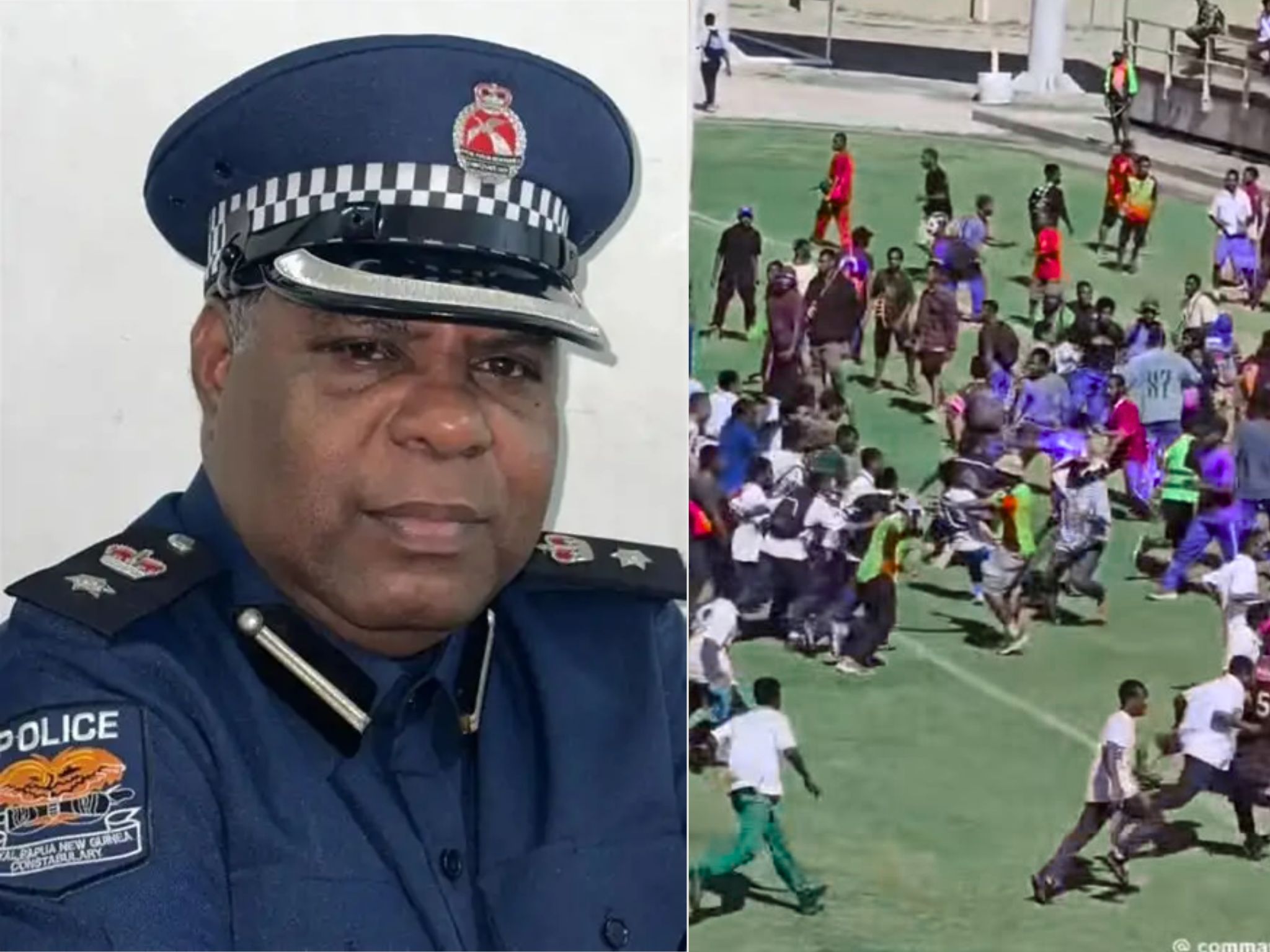 NCD MET-SUP SIMATAB WARN OF ARRESTS AS SCHOOL VIOLENCE ESCALATES
The National Capital District Metropolitan Command has warned that students involved in school fights and other violent incidents in Port Moresby city, will be arrested and charged where criminal offences are committed.In a media statement, Metropolitan Superintendent Warrick Simatab condemned the recent rise in school violence, describing the behavior as unacceptable and saying police would take a zero-tolerance approach."Schools are places of learning, not violence, and students who choose to engage in public fighting, destroy property, intimidate others or disturb public order will be treated as offenders under the law," Superintendent Simatab said.He had directed all Police Station Commanders and Unit Commanders across the NCD Metropolitan Command to arrest and charge any student or individual involved in school fights where criminal offences had been committed."Being a student does not place anyone above the law," he said.Superintendent Simatab also called on school Boards of Management and administrations to take firm disciplinary action against repeated offenders, including suspension or expulsion where appropriate and in accordance with school policies and the law."There must be clear consequences for behavior that endanger others and disrupts education," he said.He urged students to focus on their education and avoid allowing peer pressure or social media influence to derail their future."Your parents, guardians and sponsors make great sacrifices and invest their hard-earned money in your future. Do not throw away those opportunities because of peer pressure, social media influence, or senseless school fights."He also encouraged students to respect their parents, teachers, schools, and themselves.The Royal Papua New Guinea Constabulary, he said, remains committed to working closely with schools, parents and communities to maintain safe learning environments throughout the nation's capital."Violence has no place in our schools or our city," Superintendent Simatab said.He ended his message with a direct appeal to young people: "Choose education over violence. Choose respect over conflict. Your future is worth more than one fight."
Published on August 4, 2026
 SP BREWERY SUPPORTS 2026 ENGA CULTURAL SHOW
South Pacific Brewery (SP Brewery) has contributed K5,000 to the Enga Cultural Show Committee to support preparations for the 2026 Enga Cultural Show, reinforcing its commitment to promoting culture, community unity and tourism in Papua New Guinea (PNG).The annual festival will be held from Friday, 7 August to Sunday, 9 August 2026 in Wabag, Enga Province, bringing together communities to celebrate the province’s diverse traditions, customs, and cultural heritage.During the cheque presentation, SP Brewery External Affairs Manager Luke Beliga reaffirmed the company’s support for the event and its role in promoting cultural preservation and community development.“SP Brewery is delighted to sponsor the 2026 Enga Cultural Show. We believe this event will continue to promote the culture of Enga, foster a safe and peaceful community, and boost tourism in the province,” Beliga said.He added that the cultural show aligns with SP Brewery’s commitment to encouraging unity and togetherness among communities.“The show aligns closely with our purpose of fostering the joy of true togetherness, and we are grateful for the opportunity to help bring communities together while celebrating the diverse cultures that make Papua New Guinea unique,” he said.Enga Cultural Show Committee Chairlady Margaret Potane thanked SP Brewery for its continued partnership and contribution towards the successful staging of the event.“The Enga Cultural Show is a celebration of our traditions, including our costumes, dances, chants, rituals and unique cultural skills. It is also an opportunity to showcase the strength and resilience of our culture in the face of modern influences,” Potane said.She said SP Brewery’s sponsorship demonstrated its commitment to preserving cultural heritage, supporting local communities and strengthening the spirit of unity represented by the festival.The Enga Cultural Show remains one of Papua New Guinea’s significant cultural events, providing a platform for communities to showcase traditional practices while promoting cultural awareness and tourism.As part of its corporate social responsibility initiatives, SP Brewery continues to support community programs and cultural events that preserve and promote Papua New Guinea’s rich cultural diversity.
Published on August 4, 2026
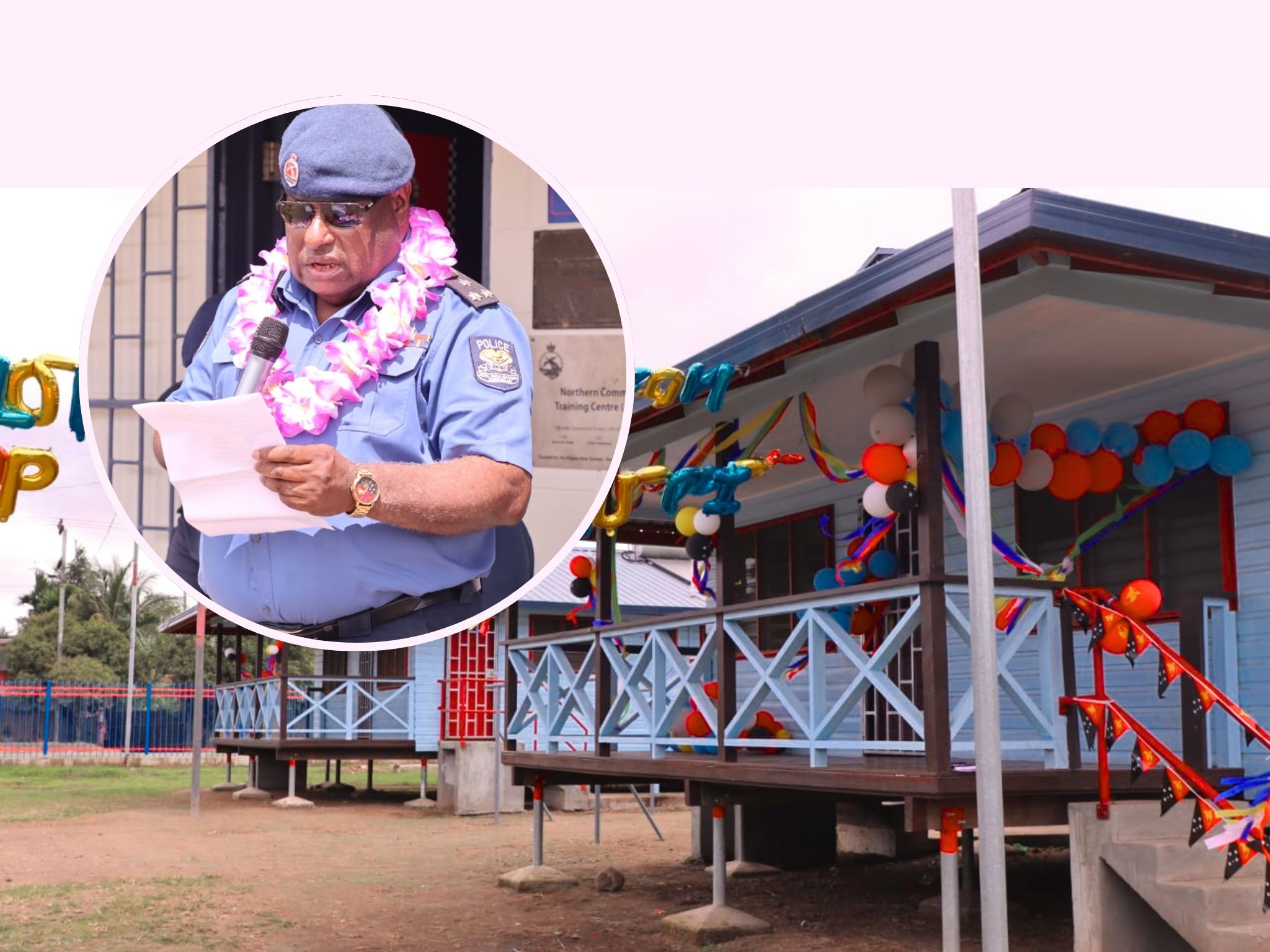 RPNGC OPENS NEW POLICE HOUSING IN LAE TO BOOST OFFICER WELFARE
Five new police duplexes were officially commissioned at Bumbu Barracks in Lae on Monday, August 3rd, in a move aimed at improving accommodation for officers and supporting the expansion of policing services in Morobe Province.The housing project was funded by the Papua New Guinea government through the Special Police Assistance Program (SPAP) and officially opened by Northern Division Commander Peter Guinness, who represented Police Commissioner David Manning at the ceremony.Commander Guinness said the new homes would improve the welfare of police families while strengthening the Constabulary’s ability to meet the growing demands of policing in one of the country’s busiest economic centres.“Lae City is the second largest city in the country and is the gateway to the country’s economic corridor,” Commander Guinness said."We have a big international wharf responsible for the docking of ships and the passage of cargo from Lae into the Highlands Region, making the work of police critically important.”Commander Guinness thanked the Marape-Rosso Government and the Royal Papua New Guinea Constabulary (RPNGC) executive under the leadership of Commissioner Manning for delivering the project.“It is therefore fitting for the PNG government and the RPNGC Executive to ensure that members of the Lae Metropolitan Police are adequately accommodated so they can perform their duties with commitment, loyalty, and dedication.”He said the Constabulary’s ongoing recruitment drive would result in additional officers being posted to Morobe Province, creating the need for more police housing in the future.“The Constabulary is embarking on recruitment, and some new pass-outs will be deployed into Morobe Province.”“We will have to build more houses from here onward to accommodate the increase in police manpower.”Commander Guinness said government investment in police accommodation complements the broader infrastructure development taking place across Morobe Province.He pointed to the newly completed Nadzab International Airport and the upgraded road network linking the airport with Lae City as examples of the province’s rapid growth.“In a nutshell, we are seeing tangible development delivered by the PNG government in all social and economic sectors and, as such, police services in Lae City and the whole of Morobe Province must also align with these changes.”He added that improving living conditions for officers was essential to maintaining an effective police service.“We are seeing growth, but we must also take care of the welfare of public servants.”“A proper home for members of the Constabulary will inspire them to recommit themselves to their constitutional duties and obligations.”Commander Guinness also acknowledged the support of the Australian Federal Police, the Morobe Provincial Administration and the Lae City Authority for their continued partnership with the Constabulary.Under the PNG-Australia Policing Partnership Program, the Australian Federal Police is constructing a new armoury in Lae and converting an existing double classroom into a computer laboratory to support training for officers serving in the Northern Division.Officials from the Department of National Planning and Police Headquarters attended the commissioning ceremony alongside members of the Constabulary and invited guests.
Published on August 4, 2026
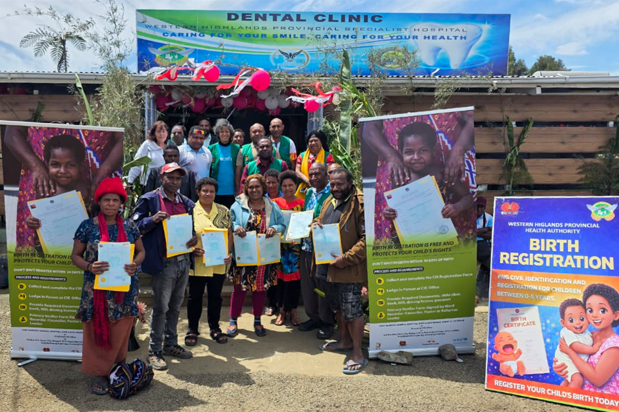 NEWBORNS RECEIVE FIRST-EVER BIRTH CERTIFICATES AT MT HAGEN GENERAL HOSPITAL
Mothers at Mount Hagen Provincial Hospital in Western Highlands province have received official birth certificates for their newborn children for the first time, marking a significant milestone in efforts to bring birth registration services closer to families in Papua New Guinea.The certificates were presented during an event held at the provincial hospital through a partnership between the Papua New Guinea Civil and Identity Registry (PNGCIR), the Western Highlands Provincial Health Authority (PHA), and UNICEF.The initiative marks the first formal distribution of birth certificates through the hospital’s Birth Registration Desk, which was established to help families register their children soon after birth and access official identity documents more easily.The milestone highlights the commitment of the Government of Papua New Guinea, through PNGCIR and the WHPHA, to expanding access to civil registration services.The Australian government and UNICEF have supported efforts to strengthen civil registration and vital statistics systems across the country, including by providing technical and operational assistance.Acting Registrar-General of the PNG Civil and Identity Registry, Mr. Leslie Simon emphasized that the achievement reflected the government’s commitment to ensuring every child has the right to legal identity from birth.“Today’s landmark moment reflects the Government’s continued commitment to ensuring every child is assured of their right to legal identity from birth,” Mr. Simon said.He added that birth registration enables children to access essential services and contributes to stronger national planning and development.“Birth registration helps children access the services they need to grow, learn and reach their potential.”“As Papua New Guinea advances towards Vision 2050, ensuring every child is registered and recognized is an investment in human capital, stronger national planning and a more inclusive and prosperous future.”Birth registration is recognized as a fundamental right of every child, providing legal recognition of identity and helping children access healthcare, education, protection, and other essential services.However, only 13 per cent of children in Papua New Guinea are currently registered at birth, leaving many without official proof of identity.The lack of a birth certificate can create barriers for children and families, making it difficult to confirm age, parentage and identity, and increasing vulnerability to exclusion and protection risks.Since the Birth Registration Desk began operating at Mount Hagen Provincial Hospital in November 2025, 464 births have been registered.Of these, 228 newborns have received birth certificates, while the remaining certificates are being processed and will be distributed soon.The integration of birth registration into health services, including antenatal and maternity care, is helping families complete registration earlier and reducing barriers to accessing official documents.Meanwhile, UNICEF Country Representative in Papua New Guinea Dr. Veera Mendonca said the initiative demonstrated the importance of bringing services directly to families.“This successful initiative shows that more children can receive birth certificates when registration services are brought closer to families,” Dr. Mendonca said.She said mothers understood the importance of birth certificates in securing their children’s legal identity and improving access to essential services throughout their lives.“Integrating birth registration into health facilities makes the process easier and encourages mothers to give birth where skilled care is available.”“By expanding this approach across Papua New Guinea, every child can be registered from the beginning and have the protection, identity and opportunities they deserve.”With support from the Australian Government, UNICEF has worked with PNGCIR to strengthen birth registration systems at both policy and service delivery levels.Support has included assistance for implementing the Civil Registration and Vital Statistics (CRVS) Action Plan, providing 44 mobile registration kits, establishing birth registration offices within Provincial Health Authorities, training health and civil registration staff, and developing awareness materials.The Mount Hagen milestone demonstrates the potential of integrating birth registration into healthcare services to close registration gaps and ensure more children receive legal identity from birth.Government leadership, stronger coordination, increased domestic investment, and continued expansion of birth registration services through hospitals and community outreach programs, will be essential to achieving universal birth registration for all children in Papua New Guinea.
Published on August 4, 2026
 UNITED FINANCE PARTNERS WITH WHP EDUCATION FOR NATIONAL BOOK WEEK
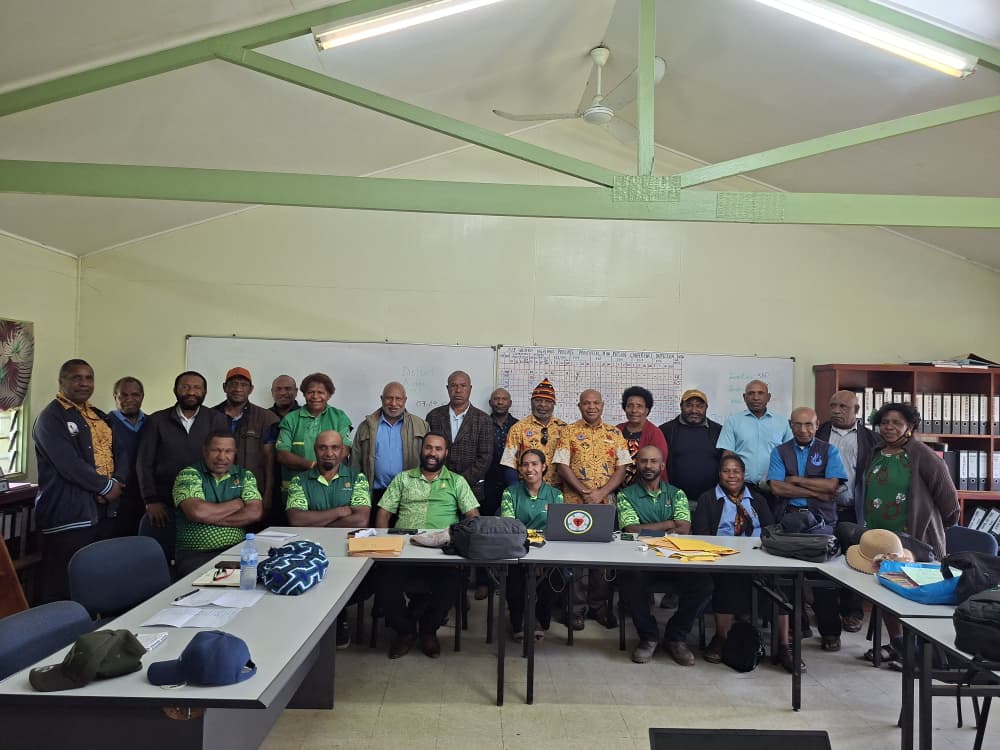
In a strong demonstration of its commitment to education and community development, United Finance has officially presented a cash sponsorship of K2,000 to the Western Highlands Province National Book Week organizing committee in Mount Hagen.The presentation event commenced with a welcome address by Senior Inspector Mr. Thomas Kari, who introduced attending District Inspectors and senior headteachers representing various schools across the province.The official donation was delivered by the United Finance Highlands Regional Coordinator, Mr. Fore Fore, alongside Regional Coordinator Brendon Pawa.In his remarks, Mr. Fore Fore highlighted United Finance’s ongoing dedication to giving back to schools through vital initiatives, including Graduation and Teachers' Day sponsorships.He emphasized that United Finance Limited remains committed to working in close partnership with education departments, placing a special focus on supporting teachers.Echoing these sentiments, Mr. Pawa stated that investing in education is a core priority for the company, noting that supporting the National Book Week committee directly empowers local schools and literacy programs.In her closing remarks, Education Guidance Officer Mrs. Goimba expressed deep gratitude to United Finance, recognizing them as the very first finance company to step forward with financial backing for this year’s National Book Week program.Highlighting the company’s proactive role in fostering a reading culture among students, Mrs. Goimba extended an open invitation for the United Finance team to participate in the upcoming events.She added that the Western Highlands Provincial Education Department looks forward to collaborating closely with United Finance on future academic initiatives.Through this contribution, United Finance reaffirms its commitment to backing community-driven programs that pave the way for a brighter academic future for the children of Western Highlands Province.
Published on August 4, 2026
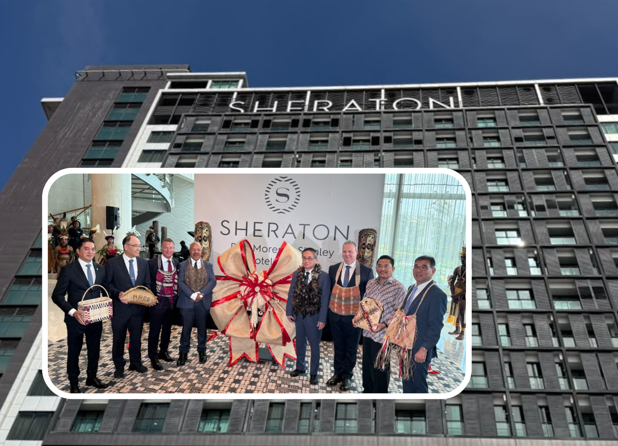 SHERATON HOTELS & RESORTS MAKES PNG DEBUT IN PORT MORESBY
Sheraton Hotels & Resorts has officially entered Papua New Guinea with the opening of Sheraton Port Moresby Stanley Hotel & Suites (formerly the Stanley Hotel and Suites), marking the global brand’s first property in the country and Marriott International’s second hotel in the country.The 394-room hotel, which officially opened on August 3rd, is located in Port Moresby’s commercial and government precinct, about five minutes from Jacksons International Airport and directly connected to Vision City Mega Mall.The opening represents another milestone in Marriott International’s expansion across the Pacific and introduces Sheraton’s globally redesigned hospitality concept to PNG.Marriott International Regional Vice President for Australia, New Zealand, and the Pacific Jason Nuell, said the opening brings one of the company’s most recognized brands into the country.“The opening of Sheraton Port Moresby Stanley Hotel & Suites marks a significant milestone as we introduce one of Marriott International’s most global brands to Papua New Guinea,” Mr. Nuell said.“With Sheraton’s focus on intuitive design, technology-enabled experiences, and spaces that foster connection, the hotel is positioned to become a central gathering place for both international travelers and the local community.”Following an extensive refurbishment, the property now operates under the Sheraton brand with 394 accommodation options, including 284 guestrooms, 15 suites, and 95 serviced apartments designed for both short and extended stays.The redesigned lobby serves as the centerpiece of the hotel, featuring Sheraton’s signature Community Table, private work booths, and technology-enabled meeting spaces intended to accommodate business travelers, families, and local visitors.The hotel also features more than 2, 500 square metres of meeting and event space, including what Marriott says is PNG’s largest hotel ballroom.The facilities are designed to host conferences, government meetings, corporate events, and social functions.Guests have access to several dining venues, including Silverleaf, which specializes in premium grilled seafood and meats, Greenhaus buffet restaurant, &More by Sheraton café and bar, Monsoon Bar & Lounge, and the Pool Bar & Café.Recreational facilities include an infinity swimming pool, a fully equipped fitness centre, and a full-service day spa.Sheraton Port Moresby Stanley Hotel & Suites General Manager Shin Ching said the opening reflects a significant development for the country's hospitality industry.“The opening of Sheraton Port Moresby Stanley Hotel & Suites after its transformative renovation represents an important milestone for Papua New Guinea’s hospitality sector, bringing the global Sheraton brand and its hospitality experiences to Papua New Guinea,” Mr. Ching said.“We are thrilled to welcome guests from around the world and across Papua New Guinea.”“We look forward to the grand opening celebration later this year, where we will officially launch Sheraton's arrival to Papua New Guinea.”Located opposite the PNG Football Stadium, the hotel provides direct access to sporting venues, retail outlets, restaurants and entertainment facilities through its connection to Vision City Mega Mall.Sheraton now operates nine properties across Australia, New Zealand, and the Pacific, with the Port Moresby opening strengthening Marriott International’s presence in the region as the company continues to expand its hospitality portfolio across the Pacific.
Published on August 4, 2026