

Australia remains committed in helping Papua New Guinea strengthen its disaster preparedness and response systems, particularly at the provincial level.
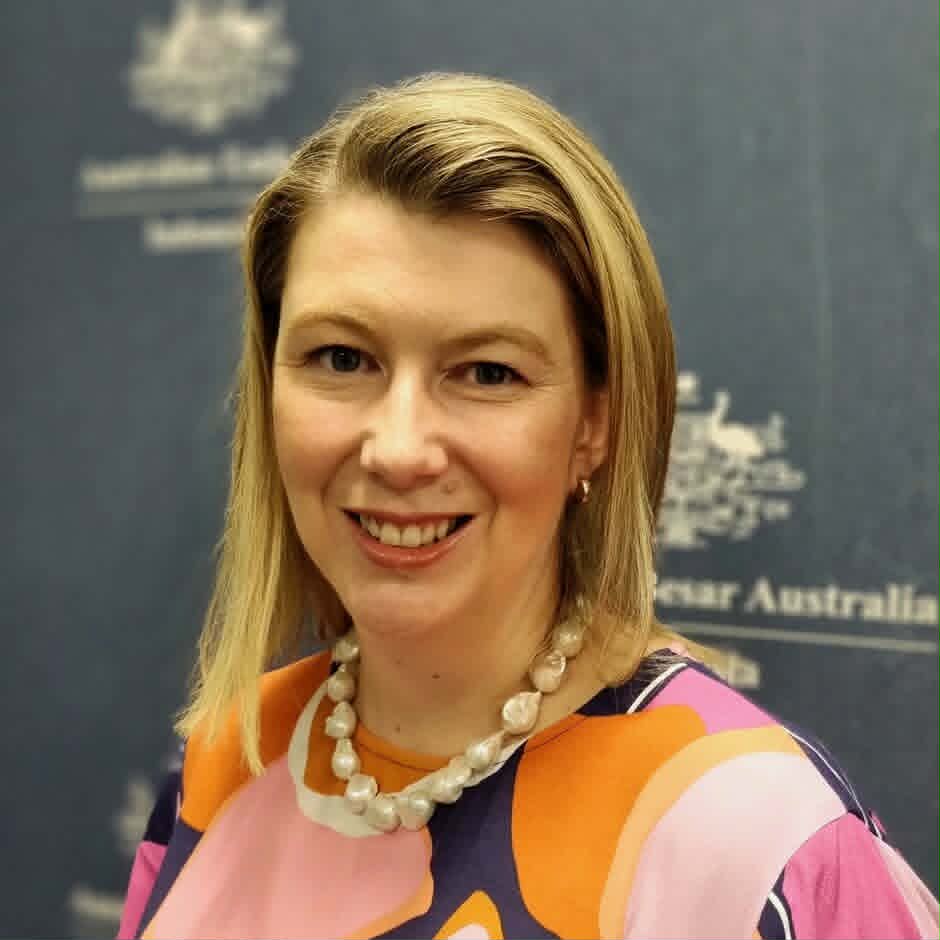
Australian High Commission Minister-Counsellor Madeleine Moss made the commitment during the launch of the Provincial Disaster Office Institutional Capacity Report.
Moss said the report provides an important opportunity for the PNG Government and its partners to identify weaknesses, address capacity gaps and improve disaster preparedness across the country.
She stressed that the assessment should not be viewed as a measure of performance, but as a practical tool to guide future improvements.
“It is not a scorecard, it is a tool,” she said.
Moss acknowledged the work of Health and National Emergency Services Minister Dr. Billy Joseph, the National Disaster Centre, provincial disaster offices and international partners, involved in strengthening PNG’s disaster management systems.
She said Australia, together with the United States, the International Organization for Migration, (IOM) and other partners, would support PNG as it considers and implements the recommendations of the report.
The Minister-Counsellor also highlighted Australia’s broader humanitarian partnership with PNG, including assistance in strengthening early warning systems through cooperation with the National Weather Service, the Minerals Resources Authority and Geoscience Australia.
She said an enhanced humanitarian assistance and disaster relief package announced during the 2025 Australia-PNG Ministerial Forum would focus on infrastructure, coordination and partnerships.
The package also includes professional exchanges between Australia’s National Emergency Management Agency and PNG’s National Disaster Centre.
Moss said Australia’s Australia Assists program continues to provide technical support by deploying specialists to disaster management offices when required.
She noted that Australian experts are currently supporting the National Disaster Centre and the Bougainville Disaster Office.
During recent cyclone responses, she said Australia also deployed additional specialists, including an Australian Defence Force liaison officer who worked alongside the PNG Defence Force to support coordination and relief operations.
Australia, together with the United States, New Zealand and the United Kingdom, also assisted in delivering food and other relief supplies to disaster-affected communities.
Moss said strengthening disaster preparedness was particularly important as PNG and other Pacific countries continue to experience challenges linked to El Niño conditions.
She said Australia would continue to stand ready to support the PNG Government and disaster authorities when emergencies occur.
“PNG is a great, resilient country, but even the most resilient communities can be challenged during these times,” Moss said.
Moreover, she stated that disaster preparedness must ensure that the effects of emergencies are reduced, particularly for vulnerable people relying on schools, hospitals and community services.
Moss also reflected on her recent visit to Southern Highlands Province, where she witnessed the resilience of local communities and Australia’s assistance following an earthquake.
She recalled being told by a school headmaster that the community had raised funds to support Australians affected by the devastating 2019 bushfires.
She also said that the gesture highlighted the strong and reciprocal relationship between PNG and Australia.
“Australia helps PNG and PNG helps Australia,” she said.
She further stated that this partnership had become even more significant following the signing of the Mutual Defence Treaty between the two countries last year.
Australia would continue working with PNG and other development partners to strengthen disaster management capacity and help communities better prepare for future emergencies.
In concluding, she expressed confidence that through stronger coordination and partnerships, PNG would be better positioned to respond to future disasters.