


Australia is expanding its support for climate resilience, renewable energy and sustainable finance in Papua New Guinea (PNG) through infrastructure investment, climate financing reforms and private sector partnerships.
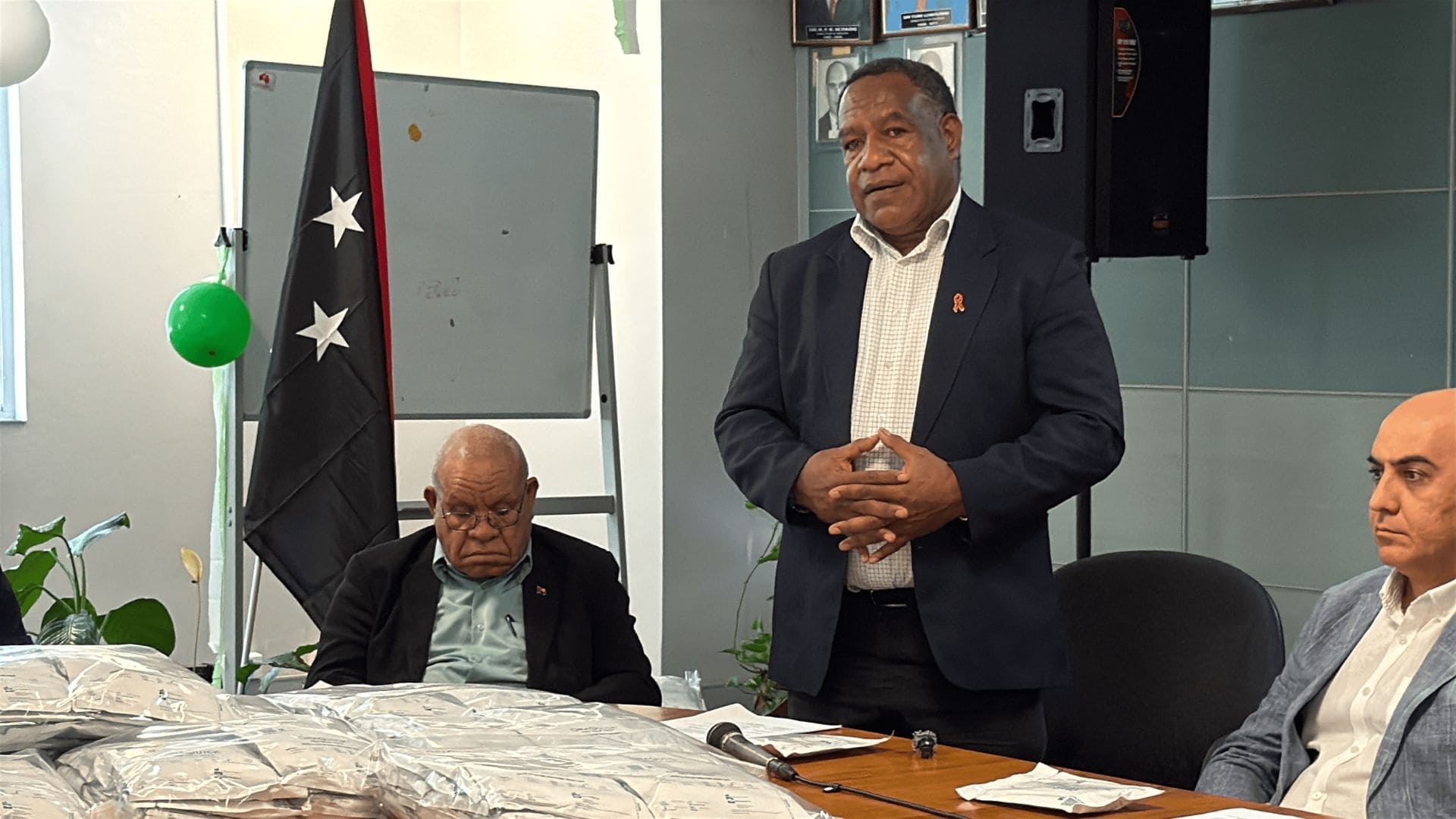
Speaking during the 2nd Green Finance Summit 3026, Dr. Cate Rogers Minister Counsellor for Economics, Health and Infrastructure at the Australian High Commission in Port Moresby, said climate change is now being integrated across nearly all Australian-supported development programs in PNG.
“We cannot run away from climate change, we’ve got to tackle it in everything that we do,” Dr Rogers said.
“We actually set ourselves a target so that 80 percent of our programs by 2028 and 2029 have to have a climate objective, and that was really deliberate because we think it’s really, really important, and we’re already seeing the benefits of that.”
Dr Rogers said climate resilience is now being embedded into infrastructure planning, financing and project delivery through Australia’s Economic and Social Infrastructure Program, one of Australia’s largest grant-based infrastructure programs in PNG.
She said the program has developed a Resilient Infrastructure Guide aimed at ensuring climate resilience is integrated into infrastructure funding, planning and delivery.
“Apart from integrating and incorporating climate resilience into our designs, we’ve had Economic and Social Infrastructure Program (ESIP), develop a Resilient Infrastructure Guide to embed climate resilience into all infrastructure funding, planning and delivery,” she said.
Dr Rogers acknowledged that access to international climate finance remains a major challenge for developing countries, including PNG, but said Australia continues to support PNG in strengthening its climate financing systems behind the scenes.
She highlighted Australia’s support under reforms connected to the IMF’s Resilience and Sustainability Facility program, including hazard mapping reforms, modernization of disaster risk regulations and climate-focused public investment management reforms.
“Through our economic governance program, we have developed guidelines to ensure that public investment management regulations take into account climate risks,” Dr Rogers said.
“We’ve worked with BPNG Treasury to design fuel excise changes to align tax and carbon, and we also did training at Treasury and with other agencies on integrating climate risk into project appraisals.”
She described the work as “partnership in action.”
Australia has also supported the establishment of the Green Finance Centre through Climate FIRST and the Climate Change and Development Authority.
Work is also underway to support the development of a centralized database for climate projects aimed at improving coordination, transparency and climate investment planning across the country.
Dr Rogers said Australia strongly supports partnerships between governments, development agencies, financial institutions and the private sector to strengthen PNG’s climate finance systems.
Australia’s broader infrastructure financing support is also being delivered through the Australian Infrastructure Financing Facility for the Pacific, which provides grants, loans and blended financing for major infrastructure projects across the Pacific.
Dr Rogers said AIFFP has supported more than AUD300 million in electrification-related projects in PNG, including the Laitim Hauslain initiative and the PNG Electrification Partnership.
Australia is also supporting refurbishment works at the Rouna and Ramu One hydropower stations.
“We’ve already restored around 50 megawatts to these stations, and we have an active proposal to restore Ramu power station to its 75-megawatt capacity,” she said.
“In my view, it’s always better to make sure that you utilize and look after your existing hydro before building new hydro if you can avoid it.”
Australia has also invested around AUD20 million into off-grid renewable energy projects in remote communities across PNG.
More than 55,000 solar home kits and community energy systems have already been installed in rural communities, improving electricity access for homes, schools and community facilities.
“It’s really powerful going to these locations and seeing the transformational impact of schools having lighting and communities having lighting in the evening,” Dr Rogers said.
She also stressed the importance of ensuring donor funding supports rather than displaces local renewable energy businesses.
“We’ve been very keen to ensure that we don’t displace the private sector with our grant-based aid, that we draw very heavily on local companies and local solutions, ensuring that we’re crowding in rather than crowding out,” she stated.
Dr Rogers also highlighted the Renew Pacific program, which uses grant funding to leverage co-investment from private companies and non-government organizations for renewable energy and climate projects.
She said the latest PNG funding round received more than 100 applications during March 2025, reflecting strong interest from businesses seeking support for renewable energy and climate investment projects.
According to Dr Rogers, attracting long-term private investment will also depend on maintaining stable regulations and predictable policies.
She added that creating a stable investment environment will be critical for PNG to attract future climate finance and private sector investment.
“Private sector investors like to know that the ground won’t change them after they’ve made their investment decisions,” she said.
“It’s not just about the financing; it’s also about the broader enabling environment.”